
Blooming
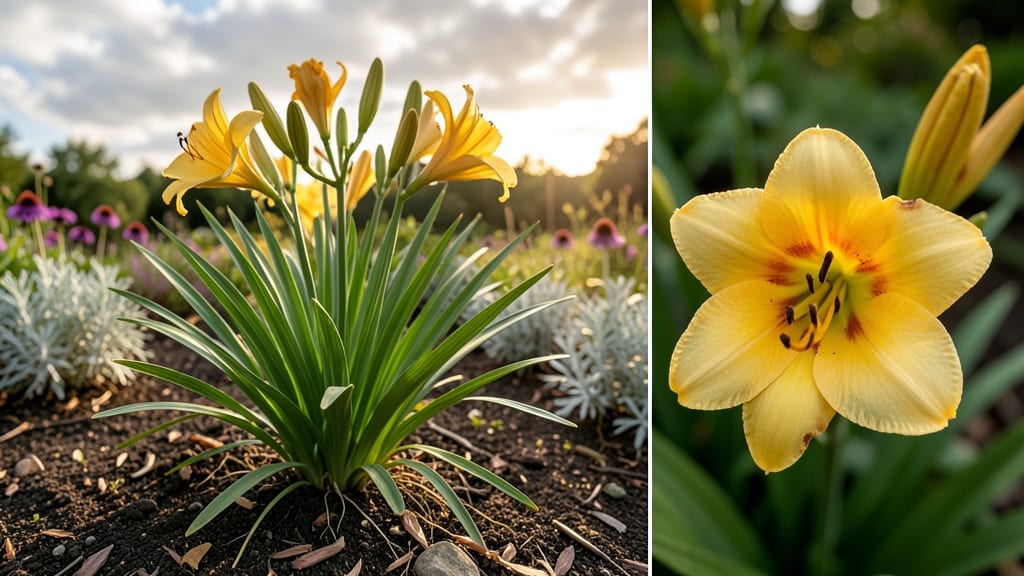
Daylilies bloom from late spring through early fall 🌸, but their exact timing depends on your climate zone and the variety you’ve planted.
Wondering why your daylilies bloom earlier or later than expected? Climate zones play a critical role in determining their peak flowering seasons—understanding these patterns can help you extend blooms for months.
In USDA Zone 6a, where many gardeners live, daylilies typically kick off in June and keep going until August, but cooler zones can push blooms back to July, while warmer areas may see flowers as early as May.
Below, I’ll break down how sunlight, soil, and even pruning can shift your daylily’s bloom time—plus the 3 easiest ways to keep them flowering longer, no matter where you garden.
How USDA climate zones affect daylily bloom time
Daylilies are one of the most adaptable perennials, thriving across USDA zones 3-10. However, their bloom time shifts dramatically depending on your zone—some varieties burst into color in late spring, while others wait until mid-to-late summer.
Understanding these patterns helps you plan for continuous blooms from June through September in warmer zones or May through July in cooler climates.
The key factors influencing bloom timing are temperature thresholds and daylight hours. Daylilies need consistent warmth (above 50°F) to trigger flowering, but they also respond to increasing daylight in spring and summer.
In northern zones (3-5), blooms often align with longer daylight in late spring, while southern zones (8-10) see extended blooming due to warmer winters and year-round growth.
Here’s how your USDA zone impacts when—and for how long—your daylilies will flower:
In cooler zones (3-5), daylilies rely on soil warmth and longer daylight to trigger blooms, which is why you’ll see peak flowering in late May through July.
Varieties like ‘Stella de Oro’ are cold-hardy and often bloom earliest, while reblooming types like ‘Happy Returns’ may produce a second flush in late summer if temperatures stay mild.
Moving to zones 6-7, the bloom season stretches significantly, thanks to warmer springs and longer growing seasons. Here, you can enjoy continuous blooms from early June to mid-August by mixing early, mid, and late-season varieties.
For example, planting ‘Dixie Chip’ (early) alongside ‘Elite’ (late) ensures your garden stays colorful for 10+ weeks.
Gardeners in zones 8-9 have the advantage of year-round growth potential, though daylilies may take a brief rest in mid-summer heat. The extended season allows for 12-14 weeks of blooms, starting as early as May and lasting into September.
Varieties like ‘Café au Lait’ thrive in these zones, producing large, long-lasting blooms with minimal care.
In zone 10, daylilies can bloom almost year-round, with some varieties like ‘Stella de Oro’
Best daylily varieties for extended bloom seasons
If you love long-lasting color in your garden, choosing the right daylily varieties can transform your landscape into a nonstop floral display. Unlike many perennials that bloom for just a few weeks, reblooming daylilies can produce flowers from late spring to early fall—or even longer with proper care.
The secret lies in selecting cultivars that match your climate zone and bloom duration preferences.
Daylilies generally fall into three bloom categories: early bloomers (April-May), mid-season (June-July), and late bloomers (August-September). Some varieties even rebloom multiple times in a single season, while others produce just one flush of flowers.
Let’s explore the top performers for each category to help you plan a garden that stays vibrant all summer long.
🌸 Extended Bloom Season Showstoppers
-
Early Bloomers (April-May)
- 'Stella de Oro' - Compact, golden blooms; reblooms reliably in zones 5-9
- 'Happy Returns' - Vibrant yellow with 3-4 bloom cycles per season
- 'Tres Amigos' - Tri-color blooms (red/yellow/green) that start early
-
Mid-Season (June-July)
- 'Pardon Me' - Pink with yellow throats; blooms for 6+ weeks continuously
- 'Café au Lait' - Creamy white blooms with reblooming potential in warm zones
- 'Two Weeks Wonder' - True to its name with nonstop blooms for 14 days
-
Late Bloomers (August-September)
- 'Mikado' - Classic burgundy blooms that extend season into fall
- 'Autumn Embers' - Deep red-orange flowers that thrive in cooler temps
- 'Evening Star' - Reblooms in fall with star-shaped blooms
-
Reblooming Superstars
- 'George Lindemann' - Purple with yellow throats; blooms May-September
- 'Happy Hour' - Orange-red blooms with 4+ bloom cycles
- 'Illumination' - Yellow with red edges; thrives in zones 4-9
For gardeners in warmer climates (zones 7-10), varieties like 'Stella de Oro' and 'Happy Returns' can bloom almost year-round with minimal care. In cooler zones (3-6), focus on early bloomers like 'Tres Amigos' to capitalize on the short growing season.
Pro tip: Plant a mix of early, mid, and late bloomers to create a seamless transition of color throughout the summer.
One common mistake is assuming all daylilies rebloom. Once-blooming varieties like 'Mikado' produce stunning flowers but only once per season. To maximize your garden’s potential, pair these with reblooming types like 'George Lindemann' for continuous interest. Deadheading spent blooms also encourages more flowers, especially in mid-to-late season varieties.
If you're new to daylilies, start with 3-5 varieties from each bloom category. This ensures your garden has color from spring through fall while giving you time to learn each plant’s unique care needs.
For example, 'Pardon Me' thrives in full sun but tolerates partial shade, making it versatile for different garden spots.
Remember, the key to extended bloom seasons isn’t just about choosing the right varieties—it’s also about providing optimal growing conditions. Well-draining soil, regular watering, and a balanced fertilizer (like 10-10-10) will keep your daylilies blooming longer.
With the right mix, your garden can become a nonstop floral masterpiece from April through October! 🌿