
Blooming
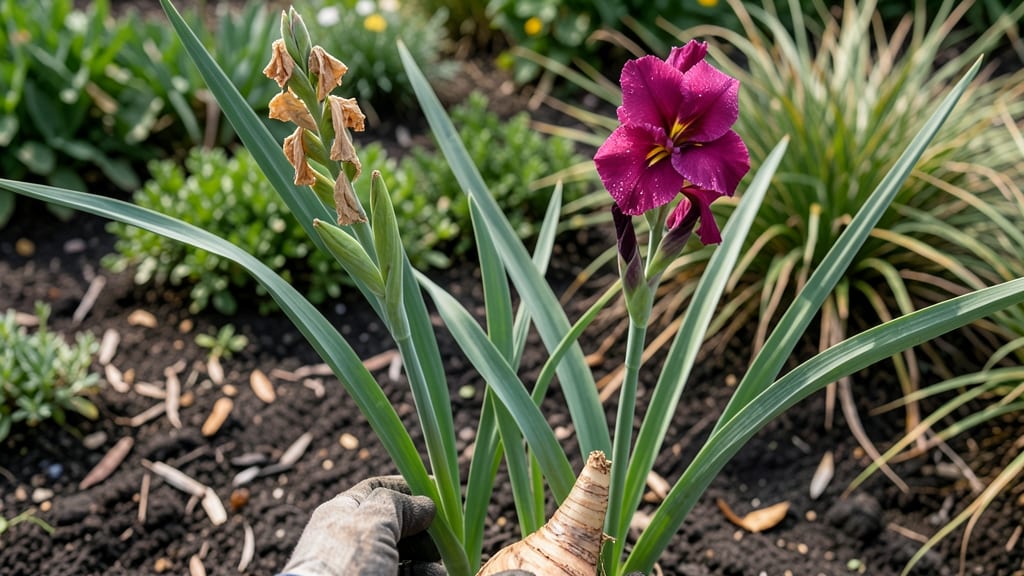
Gladiolus do bloom more than once per season when grown in warm climates with consistent care, including deadheading spent blooms and maintaining proper moisture levels.
Most gladiolus varieties follow a single-bloom cycle each season, but certain perennial types like 'Picasso' or 'Green Star' can produce secondary blooms under ideal conditions. 🌿 The key lies in their growth habits—gladiolus are geophytes, meaning they store energy in corms.
When you remove spent blooms (deadheading) and provide balanced fertilization, you're essentially signaling the plant to redirect energy toward new flower stalks rather than seed production. Warm climates with 60-80°F temperatures and 6+ hours of sunlight create the perfect environment for this reblooming behavior.
What many gardeners overlook is the importance of soil health. Well-draining, nutrient-rich soil with a pH between 6.0 and 6.5 gives gladiolus the foundation they need to recover after their first bloom.
I've found that adding compost or bone meal before planting boosts their ability to produce multiple flower spikes. The trade-off? Reblooming often results in slightly smaller or fewer flowers than the initial bloom, but the extended display makes it worth the effort for dedicated gardeners.
💡 In This Article
- Gladiolus Reblooming Science: Varieties and Growth Cycles
- Pro Tips for Encouraging Gladiolus Reblooms
Gladiolus reblooming science: varieties and growth cycles
Gladiolus plants follow a biological cycle where their energy is primarily allocated to producing one main flower spike per growing season. This is because they're geophytes, storing nutrients in their corms (underground bulbs) rather than in stems or leaves.
The first bloom occurs when the plant reaches maturity, typically 8-12 weeks after planting, and uses up significant energy reserves. What determines whether they'll rebloom comes down to two key factors: variety genetics and environmental conditions.
The most reblooming-prone varieties are perennial types like 'Picasso' (with its striking red-and-white blooms) or 'Green Star' (known for its vibrant green flowers). These varieties have been selectively bred to store more energy in their corms, allowing them to produce secondary flower spikes after deadheading.
In contrast, annual varieties like 'White Prosperity' focus all their energy on one bloom cycle before declining. Temperature plays a crucial role too: in USDA Zones 8-10, where winters are mild, gladiolus can remain active longer, making reblooming more likely.
Daylight exposure triggers blooming cycles through a process called photoperiodism. Gladiolus need 6-8 hours of direct sunlight daily to initiate flowering. When you remove spent blooms (deadheading), you're essentially tricking the plant into thinking it hasn't yet completed its reproductive cycle.
This removal prevents the plant from diverting energy toward seed production, leaving more reserves for new flower stalks. The trade-off is that reblooms are often 20-30% smaller than the initial bloom, but they extend your garden's color display by 4-6 weeks in ideal conditions.
Here's what's happening at the cellular level: when you deadhead, you're removing the flower head where hormones like ethylene would normally signal the plant to stop growing. By eliminating this signal, you allow the plant to continue producing new growth points from the corm.
This works best with well-established corms (those planted for at least two seasons) that have built up sufficient energy reserves. Younger corms simply don't have enough stored nutrients to support multiple blooming cycles.
Climate matters because temperature affects metabolic rates. In cooler climates (Zones 5-7), gladiolus often go dormant in winter, making reblooming nearly impossible. But in warm climates (Zones 8+), where temperatures stay above 60°F for most of the year, gladiolus can remain active and continue producing flowers.
I've seen 'Black Pearl' varieties in Southern California produce three bloom cycles in a single season when given proper care and consistent moisture.
Consider these variety-specific reblooming tendencies:
- High rebloomers: 'Picasso', 'Green Star', 'Black Pearl' (can produce 2-3 cycles with proper care)
- Moderate rebloomers: 'White Prosperity', 'Attraction' series (may produce 1 secondary bloom)
- Low rebloomers: 'Swan Lake', 'Miss Ruby' (typically bloom once, then decline)
The science shows that while gladiolus won't bloom continuously like some annuals, with the right variety selection and care, you can extend their flowering season significantly. The key is understanding that each rebloom requires careful management of the plant's energy reserves through proper nutrition and environmental conditions. 🌸