
Blooming
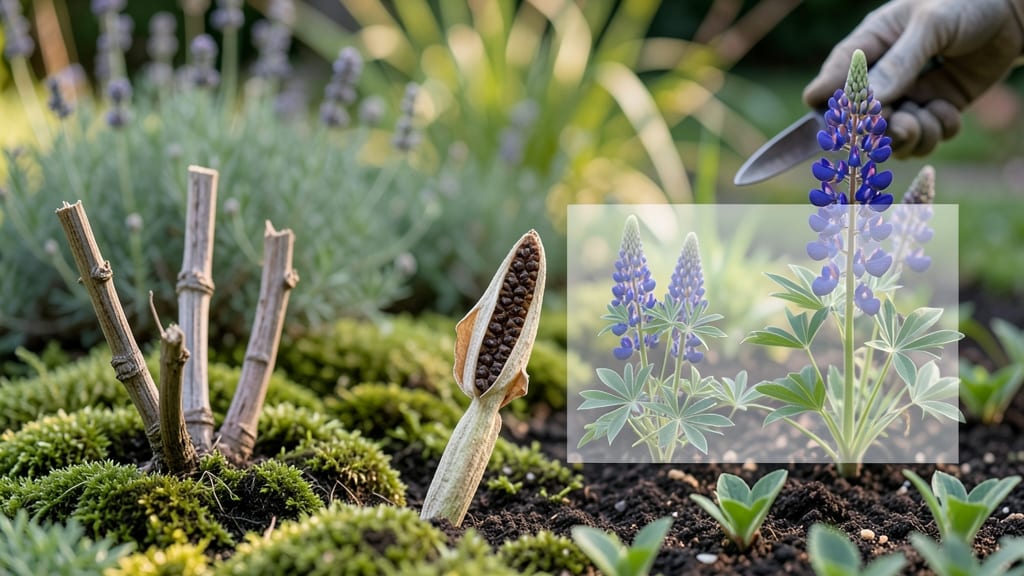
Lupines bloom every year in mild climates as perennials, though they may behave as short-lived perennials or self-seed annually in colder areas. With proper winter care and protection, you can help them thrive for multiple seasons.
Lupines thrive as perennials in USDA zones 4-9, where their deep root systems store energy for reblooming. 🌱 In colder regions, they often die back to the ground but resprout if protected. The key is maintaining consistent moisture and nutrient-rich soil—these plants are heavy feeders!
I’ve seen lupines in my garden return stronger each year when I add compost in early spring and mulch heavily before winter.
What’s fascinating is how lupines adapt: in harsh winters, they may self-seed prolifically, creating natural clusters. This survival strategy explains why some gardeners treat them as annuals—they’re not, but their lifespan can be cut short without proper care.
The secret to long-term blooms lies in balancing pruning (removing spent flowers) with winter protection like thick mulch or row covers.
💡 In This Article
- Lupine Growth Cycles: Perennial vs Annual Behavior
- Tips to Encourage Year-Round Lupine Blooms
Lupine growth cycles: perennial vs annual behavior
Lupines exhibit two distinct growth patterns depending on climate: true perennials in mild regions and short-lived perennials or self-seeders in colder areas. The difference comes down to their taproot system, which can grow 3-5 feet deep to store nutrients and moisture.
In USDA zones 4-9, this root system remains dormant but viable through winter, allowing the plant to regrow from the same root base each spring.
The energy stored in these roots fuels their 3-6 foot tall flowering spikes annually, with some varieties like 'Russell Hybrid' reliably reblooming for 5+ years under ideal conditions.
The transition to annual behavior occurs in colder climates (zones 3 and below) where winter temperatures drop below -20°F. Here, the top growth dies back completely, but the roots may survive only if protected.
What most gardeners don't realize is that lupines have evolved a clever backup strategy: when conditions are harsh, they'll often self-seed prolifically before dying back. This creates the illusion of annual behavior when in fact, the plant is still maintaining its perennial root system underground.
The seeds produced in the first year can germinate the following spring, creating dense clusters that may persist for 2-3 years without additional planting.
Dormancy triggers play a crucial role in this cycle. Lupines enter dormancy when day lengths shorten and temperatures drop below 50°F. The plant's internal clock (vernalization process) ensures it won't bloom until it receives sufficient cold exposure.
In warmer climates, this means continuous blooming potential, while in colder regions, the plant may need 6-8 weeks of winter chilling before it'll produce flowers again.
This biological mechanism explains why lupines often bloom more vigorously in their second year—they've completed their cold requirement and have stored more energy in their roots.
Soil conditions dramatically affect whether lupines will behave as true perennials. These plants are heavy nitrogen-fixers, meaning they pull nitrogen from the air through root nodules and concentrate it in their seeds. This makes them excellent soil improvers but also means they deplete soil nutrients quickly if not replenished.
In poor soils, lupines may exhaust their energy reserves faster, leading to shorter lifespans. The key difference between perennial and annual behavior often comes down to whether the plant has access to sufficient nutrients to maintain its root system through winter.
Consider the 'Chief Joseph' variety, which thrives as a true perennial in zone 5 gardens when given well-draining soil with 2-3 inches of compost each spring. The same variety might behave as a short-lived perennial in zone 4 without winter protection.
The plant's ability to rebloom depends on whether it can maintain its 3-5 foot deep root system through the cold months—a delicate balance that gardeners can influence through proper care.
What's particularly interesting is how lupines adapt their flowering strategy based on environmental cues. In their native habitats across North America and Europe, lupines often grow in disturbed soils where competition is minimal.
This explains why they flourish in gardens after disturbances like tilling or planting. The plant's ability to self-seed ensures genetic diversity while maintaining the perennial root system underground—a perfect adaptation for unpredictable climates.