
Blooming
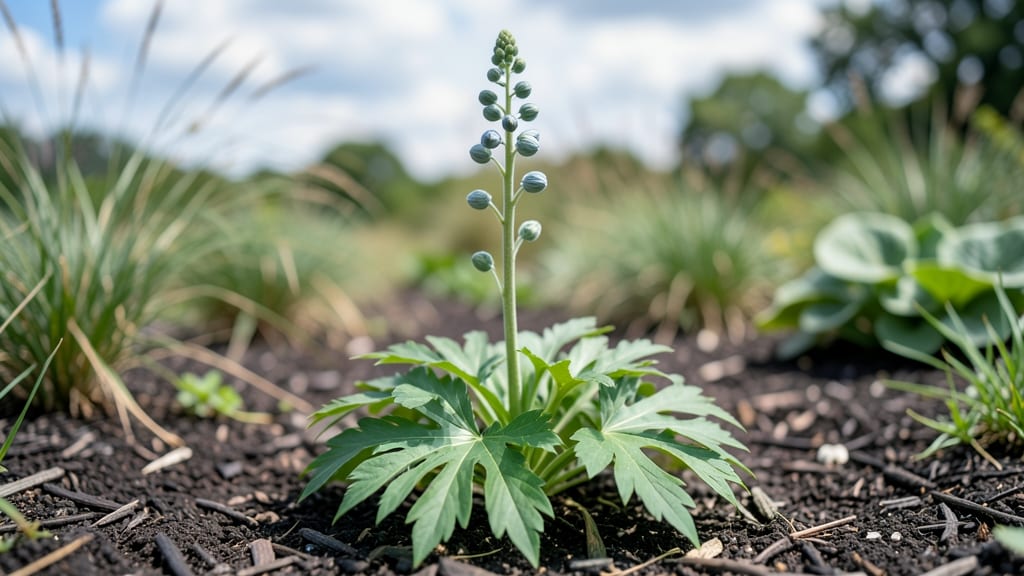
Delphiniums grown from seed typically do not bloom the first year, focusing instead on establishing strong root systems and foliage. Most varieties require 1-2 years before producing their signature tall, colorful spikes, though some fast-maturing types may flower lightly under ideal conditions.
Delphiniums prioritize root development in their first year because their energy goes toward building a sturdy foundation for future blooms. 🌱 This biennial growth pattern means you'll see lush green foliage but few (if any) flowers until the second season.
The good news? With proper care—like consistent moisture and well-draining soil—you can push some varieties to produce a few delicate blooms earlier, though they won't reach their full potential until year two.
Many gardeners mistakenly assume they've done something wrong when their delphiniums don't flower immediately. In reality, this is completely normal behavior for most varieties. The key is patience and creating optimal growing conditions to ensure those vibrant spikes appear in their second or third year.
For those eager to see flowers sooner, selecting fast-maturing varieties or starting with established plants (rather than seeds) can help. Even then, expect limited blooms in the first year—delphiniums reward long-term commitment with stunning floral displays.
💡 In This Article
- Why Delphiniums Take Time to Flower
- Tips to Encourage First-Year Delphinium Growth
Why delphiniums take time to flower
The first-year growth pattern of delphiniums is rooted in their biennial life cycle, a strategy that ensures survival and robust flowering. During their initial year, these plants allocate nearly 90% of their energy toward developing a deep, fibrous root system that can reach 12-18 inches below the soil surface.
This extensive root network stores nutrients and water, creating a reservoir that fuels the dramatic flowering spikes in subsequent years. 🌱 Without this foundation, the tall, often 3-6 foot stems would struggle to support the weight of their heavy flower heads.
Botanists explain this behavior through a process called vernalization, where cold exposure triggers flowering in many biennials. Delphinium seeds require 60-90 days of temperatures below 40°F to break dormancy and initiate flowering.
If planted in warm climates or without proper cold stratification, seeds may remain dormant or produce only foliage. Even in ideal conditions, the plant prioritizes root establishment over flowering until it senses sufficient cold exposure and stored energy reserves.
The age of your seeds also plays a critical role—older seeds (over 2 years) often have reduced viability and may take even longer to flower.
Fresh seeds from reputable suppliers typically germinate within 2-4 weeks when kept consistently moist and warm, but their first-year growth remains focused on leaves and roots rather than blooms.
This is why many gardeners report seeing their delphiniums reach 1-2 feet tall by fall but produce no flowers until the following spring.
What most gardeners don't realize is how the plant's energy allocation shifts dramatically after the first year. Once the root system reaches maturity, the plant redirects its resources to shoot growth and flower production. This shift is controlled by hormones like gibberellins, which promote stem elongation and flower development.
The result? That first flush of 2-4 foot tall spikes in year two, each bearing dozens of delicate, often blue, purple, or white flowers arranged in racemes.
Consider this comparison: A delphinium grown from seed in Zone 5 might produce its first blooms in year 2, while one planted in Zone 8 could take year 3 due to milder winters.
The key difference lies in how quickly the plant accumulates the necessary 60-90 days of cold and builds root reserves. Even fast-maturing varieties like 'Pacific Giant' may only produce 1-2 small flower spikes in their first year under ideal conditions.
This delayed flowering isn't just about patience—it's a survival strategy. Delphiniums in the wild often grow in mountainous regions where short growing seasons demand efficient energy use.
By prioritizing roots first, the plant ensures it can produce flowers when conditions are optimal, rather than risking weak stems that might collapse under the weight of blooms during their first year. 💫