
Blooming
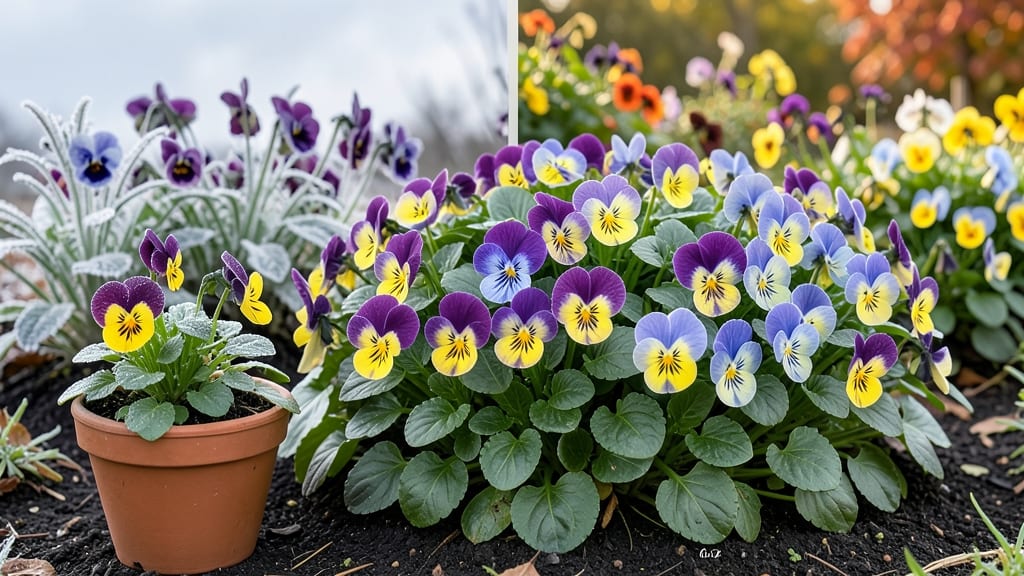
Pansies bloom all year in mild climates like USDA Zones 7-10, but typically go dormant in extreme heat or cold. Hardy varieties may rebloom seasonally with proper care, while annual types thrive in cooler months before fading in summer heat.
Pansies are famous for their year-round color in temperate regions, but their blooming habits depend heavily on your local climate. In cooler coastal areas or high-altitude gardens, they'll keep producing flowers continuously, while inland zones may see a mid-summer break. 💛 I've noticed that perennial pansies often return stronger after winter dormancy if you protect their roots with mulch, while annual varieties simply fade when temperatures climb above 85°F.
The key difference lies in their genetic hardiness—some varieties are bred specifically to handle heat better than others.
For gardeners in challenging climates, strategic care can make all the difference. Regular deadheading (removing spent blooms) encourages new growth, while providing afternoon shade during summer prevents heat stress.
I always fertilize mine with a balanced 10-10-10 formula in early spring to jumpstart blooming, and water consistently at the roots rather than from above to prevent fungal issues. The result? Pansies that stay vibrant longer than most people expect!
💡 In This Article
- Climate Zones and Seasonal Pansy Bloom Cycles
- Extending Pansy Blooms Through Pruning and Care
Climate zones and seasonal pansy bloom cycles
The blooming patterns of pansies are directly tied to temperature thresholds and daylight exposure. These cool-season plants thrive when daytime temperatures stay between 50-75°F, with nighttime lows above 40°F. In USDA Zones 7-10, where winters are mild, pansies can produce continuous blooms because they never experience true dormancy.
The secret lies in their ability to photosynthesize efficiently at lower temperatures—unlike many summer flowers that require 80°F+ to trigger blooming.
In Zone 6 and colder regions, pansies typically enter summer dormancy when temperatures exceed 85°F for extended periods.
This heat stress causes the plants to conserve energy by reducing foliage and flower production. 🌡️ What's fascinating is how perennial varieties (like 'Matrix' or 'Sorbet') often recover better than annuals—some even rebloom in fall when temperatures drop.
The difference comes down to root strength: perennials develop deeper root systems that store more energy for regrowth.
Daylight length also plays a crucial role. Pansies are short-day plants, meaning they bloom more prolifically when daylight hours shorten (like in spring and fall). In tropical climates (Zones 11-12), where daylight remains consistent year-round, pansies may struggle to bloom continuously without artificial shade or seasonal adjustments.
The solution? Planting in partial shade during peak summer months can lower soil temperatures by 10-15°F, creating a cooler microclimate that mimics their ideal growing conditions.
Hardy varieties like 'Freedom' series have been bred specifically to handle heat better, with some maintaining color even at 90°F if given afternoon shade.
These heat-tolerant types contain higher levels of antioxidants that protect their cells from oxidative stress during hot spells. 🌿 For gardeners in transitional zones (like Zone 7), the key is selecting the right cultivar—annual types will fade in summer, while perennials may just take a brief nap before returning stronger in cooler months.
What most gardeners don't realize is that pansies actually prefer cooler nights for optimal blooming. When nighttime temperatures drop below 60°F, the plants experience what botanists call "thermal vernalization"—a process that primes their genetic pathways for flower production.
This is why coastal gardens often see better pansy performance than inland areas at the same latitude, as ocean breezes naturally cool evenings.
For those in extreme climates, strategic planting can create a "bloom cascade." Plant annual pansies in early spring for summer color, then replace them with fall-planted perennials that will carry through winter.
This two-stage approach ensures you always have vibrant blooms, even if they're not technically "all year." The visual effect is stunning—like having a living rainbow that shifts seasons with the calendar.