
Blooming
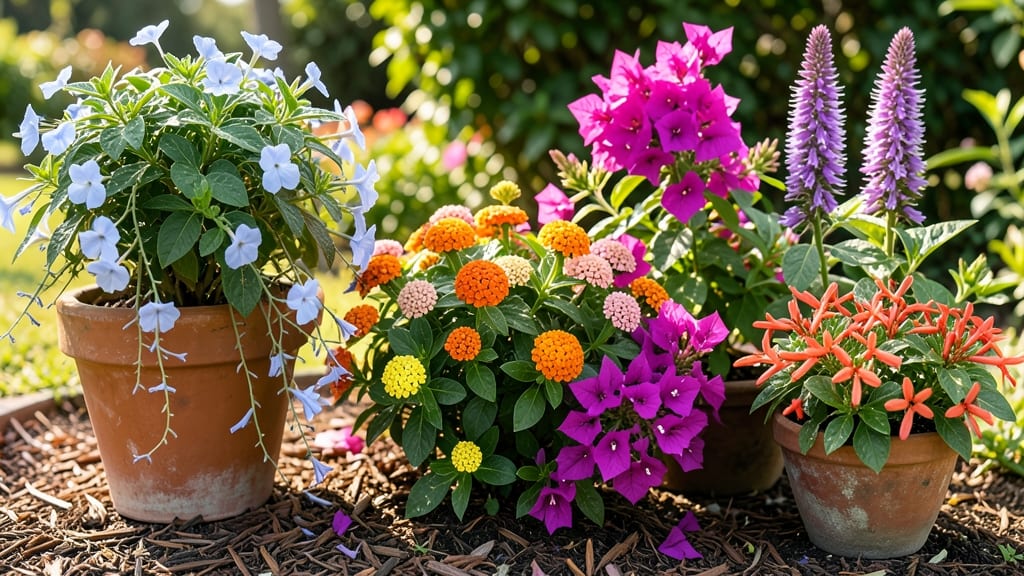
Perennial flowers that bloom all year need frost-free climates like Zones 9-11, where varieties like bougainvillea, lantana, and salvia deliver nonstop color when given full sun and consistent moisture. These plants demand thoughtful planting and seasonal adjustments to sustain their vibrant displays.
Year-round blooming perennials rely on stable warmth and specific growing conditions to thrive beyond their natural dormant periods. 🌸 In colder regions, even the hardiest varieties will enter dormancy, so selecting plants suited to your microclimate is key.
For example, bougainvillea thrives in Zones 9-11 but can be grown in containers and overwintered indoors in cooler areas. The secret to continuous blooms lies in matching each plant's sunlight needs—most require 6+ hours of direct sun daily—and maintaining consistent soil moisture without waterlogging roots.
Seasonal care adjustments make all the difference. Pruning spent blooms regularly encourages new growth, while a balanced fertilizer (like 10-10-10) applied every 6-8 weeks keeps nutrients optimal.
Lantana, for instance, benefits from light trims after each flush of flowers to promote bushier, longer-lasting blooms. Mulching in summer helps retain moisture and regulate soil temperature, while winter protection (like frost cloth) extends the growing season in marginal zones.
💡 In This Article
- Climate Zones for Year-Round Perennial Blooms
- Top Perennial Flowers for Continuous Color and Care Tips
Climate zones for year-round perennial blooms
The key to perennial flowers blooming continuously lies in understanding how temperature and frost trigger dormancy. Most perennials enter a resting phase when nighttime temperatures drop below 40°F, halting growth and flower production.
In frost-free zones like USDA Zones 9-11, where winter lows rarely dip below 20°F, these plants can maintain active growth year-round. The consistent warmth allows bougainvillea and lantana to produce flowers in every season, unlike in colder zones where they'd need winter protection or die back completely. 🌡️
Microclimates play a crucial role in extending bloom seasons even in marginal zones. For example, a south-facing wall can create a 5-10°F warmer microclimate than the surrounding area, allowing tender perennials to survive winter.
In Zone 8, where hard freezes occur, container-grown bougainvillea can be moved to protected areas or greenhouses during winter. Similarly, mulching with 4-6 inches of organic matter insulates roots, helping plants like salvia maintain blooms through mild winters.
The soil temperature must stay above 55°F for roots to remain active and support continuous flowering.
Seasonal shifts also affect bloom cycles. In frost-free zones, summer's intense heat (often exceeding 90°F) can stress plants, leading to reduced flowering unless they receive adequate water and shade during peak afternoon hours. Lantana, for instance, may produce fewer blooms in summer without afternoon shade or consistent moisture.
Conversely, winter's cooler temperatures (typically 60-70°F in Zones 9-11) can actually stimulate new growth in some perennials, like pentas, which often bloom most prolifically in spring and fall. 🌿
Humidity levels further influence year-round blooming. High humidity (common in tropical climates) can encourage fungal issues, while low humidity may require more frequent watering. In Zone 10, where humidity often exceeds 60%**, proper spacing between plants (typically 3-5 feet apart) improves air circulation and reduces disease.
The combination of stable temperatures, adequate moisture, and good airflow creates ideal conditions for continuous blooms. Without these factors, even the hardiest perennials may struggle to maintain their vibrant displays.
For gardeners in Zones 8 or below, the solution often involves selecting cold-hardy varieties like Russian sage or butterfly bush, which can tolerate brief freezes. These plants enter dormancy but rebound quickly in spring, offering near-continuous color when paired with frost-tolerant annuals.
The trade-off is less year-round blooming but more reliable seasonal performance. In frost-free zones, the focus shifts to maintaining consistent conditions rather than surviving seasonal extremes. 🌸