Blooming
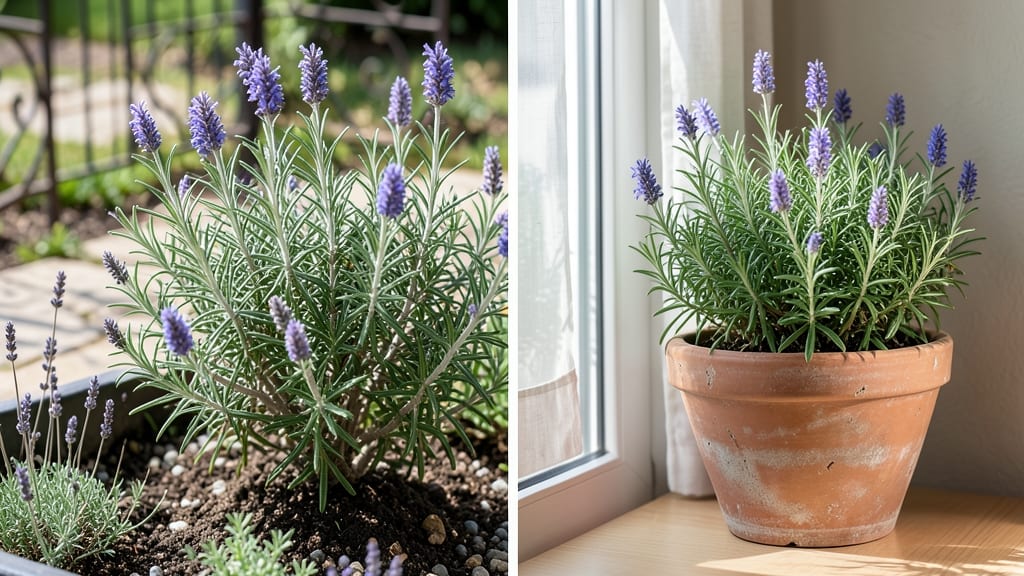
Salvias don't bloom continuously all summer—most varieties flower intensely in spring and early summer, with some reblooming later if you deadhead regularly or provide proper growing conditions. Perennial salvias like Salvia nemorosa often return yearly, while annual types like Salvia splendens need seasonal replanting for extended blooms.
Most salvias follow a natural bloom rhythm tied to their life cycle and growing conditions. 🌸 Perennial varieties typically peak in early summer, then enter a dormant phase where they focus on foliage growth rather than flowers.
Annual salvias, while more prolific during their single season, still follow this pattern unless you take active steps to encourage reblooming. The key difference lies in their growth habits—woody-stemmed perennials often bloom on old wood, while herbaceous types produce flowers on new growth.
This means pruning strategies vary dramatically between species.
To maximize your salvias' flowering potential, focus on three critical factors: deadheading spent blooms, providing bright sunlight (at least 6-8 hours daily), and using a balanced fertilizer with higher phosphorus content during the blooming season.
I've found that regular pruning after the first flush of flowers often triggers a second bloom cycle in many perennial types, particularly in regions with mild winters.
💡 In This Article
- Salvia Bloom Cycles by Type: Annual vs Perennial Differences
- How to Extend Salvia Blooms: Pruning, Fertilizing, and Light Tips
Salvia bloom cycles by type: annual vs perennial differences
The bloom duration of salvias hinges on their growth habits and life cycles. Perennial salvias like Salvia nemorosa (also called 'May Night') produce their primary flower display on old wood—the stems that grew last season.
These stems form flower buds in late winter, which burst into bloom in spring, typically lasting 6-8 weeks before fading. 🌿 The plant then shifts energy to foliage growth, often producing lush, aromatic leaves that can mask the lack of flowers mid-summer.
Annual salvias, such as Salvia splendens (scarlet sage), follow a different pattern. They bloom prolifically from early summer until frost, but their flowering is tied to new growth rather than stored energy.
The key difference is that annuals don't have the same energy reserves as perennials, so their blooms depend entirely on current-season conditions.
For example, Salvia leucantha (Mexican bush sage) produces its velvety purple blooms on new stems, which can continue sporadically if deadheaded—but these plants won't sustain continuous blooms without intervention.
Woody-stemmed perennials like Salvia officinalis (culinary sage) often produce their best flowers on second-year stems, which means aggressive pruning can actually reduce blooms. These plants prioritize stem maturation over flowering in their first year, storing energy for next season's display.
In contrast, herbaceous perennials like Salvia uliginosa (bog sage) bloom on current-season growth, making them more responsive to pruning and fertilization for extended flowering.
Temperature also plays a critical role. Many salvias enter a dormant phase in mid-summer when days grow longer and temperatures rise above 85°F. This dormancy is a survival mechanism—similar to how some desert plants conserve water.
During this time, the plant focuses on root and foliage growth rather than producing energy-intensive flowers. Even with perfect care, you won't see continuous blooms during this period.
Consider these key distinctions when selecting salvias for your garden:
- Perennial woody types: Bloom on old wood (e.g., Salvia nemorosa), peak once, then focus on foliage
- Perennial herbaceous types: Bloom on new growth (e.g., Salvia uliginosa), more responsive to pruning
- Annual types: Continuous bloomers if deadheaded (e.g., Salvia splendens), but require seasonal replanting
- Biennials: First-year foliage, second-year flowers (e.g., Salvia pratensis), with minimal reblooming potential
The most reliable way to extend blooms is understanding which category your salvia falls into. For example, Salvia leucantha can produce two distinct bloom cycles—one in spring and another in fall—if given proper care, while Salvia officinalis will rarely rebloom after its initial spring display.
This biological diversity explains why some gardeners see continuous salvia blooms while others struggle with mid-summer fade-outs.