
Blooming
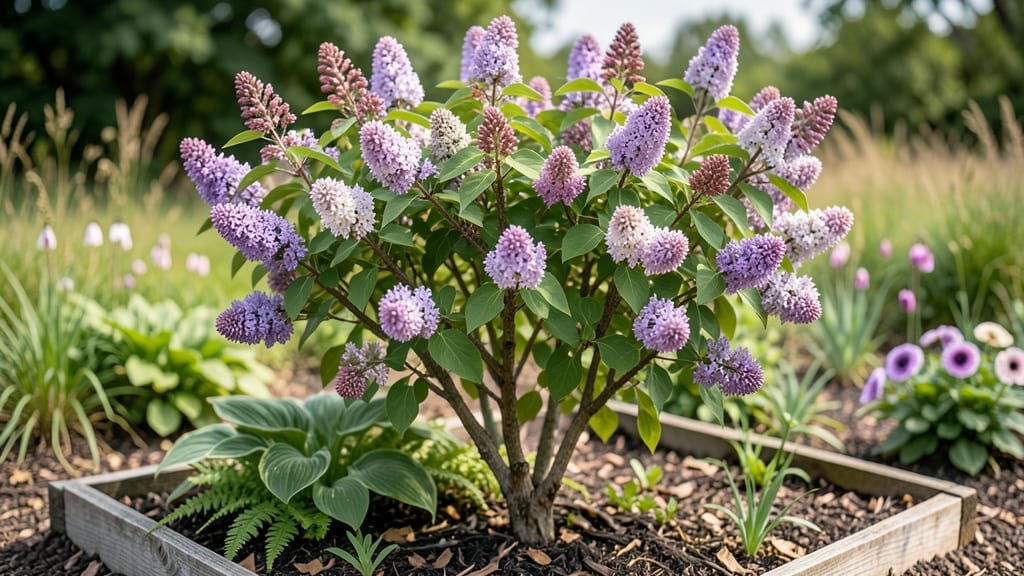
Lilacs bloom on old wood, meaning their flowers develop on previous season's growth rather than new shoots. Prune immediately after blooming to avoid cutting off next year's buds, and never trim more than one-third of the plant at once for healthy regrowth.
This unique growth habit means lilacs store flower buds on last year's stems during winter dormancy. 🌸 Unlike shrubs that bloom on fresh growth, lilacs need those mature branches to produce fragrant blooms—cutting them back too early removes next season's potential flowers.
I've seen gardeners accidentally prune away entire blooming cycles by trimming in spring, so timing is everything. The key is patience: wait until after flowers fade completely before shaping the plant.
For example, if you prune in late spring, you might miss the buds that formed over winter. Instead, focus on removing only dead or crossing branches after blooming, keeping the plant's natural shape. This approach preserves the wood where next year's flowers will form.
💡 In This Article
- Why Lilac Flowers Grow on Old Wood
- Best Pruning Practices for Lilacs to Ensure Blooms
Why lilac flowers grow on old wood
Lilacs produce flowers on last year's growth because their buds form during winter dormancy on mature stems. Unlike shrubs like hydrangeas or roses that bloom on new wood, lilacs rely on two-year-old branches to develop flower clusters.
This process begins in late summer when the plant stores nutrients and hormones in the stems, preparing for next season's blooms. When winter arrives, these buds remain dormant until spring warmth triggers their growth. 🌿
The key difference lies in their bud formation cycle. Lilacs set flower buds in late summer or early fall, meaning any pruning before late spring risks removing next year's potential blooms.
For example, if you trim back branches in March, you might accidentally cut off buds that formed months earlier. This is why gardeners often see lilacs fail to bloom after aggressive early pruning—those flower buds were already there, waiting to open.
Botanists call this habit "old wood blooming," and it explains why lilacs thrive with minimal pruning. Their natural growth pattern means they don't need annual rejuvenation cuts like some ornamental shrubs. However, this also means you can't simply shear them back hard every year without consequences.
The plant's energy is already allocated to those stored buds, so removing too much growth disrupts the entire flowering process.
Compare this to shrubs like forsythia or butterfly bush, which bloom on new growth from the current season's stems. Those plants can handle more aggressive pruning because their flower buds form fresh each year.
Lilacs, however, operate on a two-season cycle: one season for bud formation (fall/winter) and the next for blooming (spring). This biological timing is why patience is crucial when pruning lilacs.
What most gardeners don't realize is how deeply these buds penetrate the wood. The flower buds form in the leaf axils (where leaves meet stems) of the previous year's growth, often several inches down from the branch tips.
This means even a seemingly light trim can accidentally remove potential blooms if done at the wrong time. The buds are typically 1/4 to 1/2 inch long when formed, making them easy to miss during casual pruning.
This old-wood blooming habit also explains why lilacs often produce more flowers on older, established plants. Younger lilacs may have fewer blooms simply because they haven't built up enough mature stems to support abundant flower bud formation.
The more two-year-old wood present, the greater the potential for next season's floral display. 🌸