
Blooming
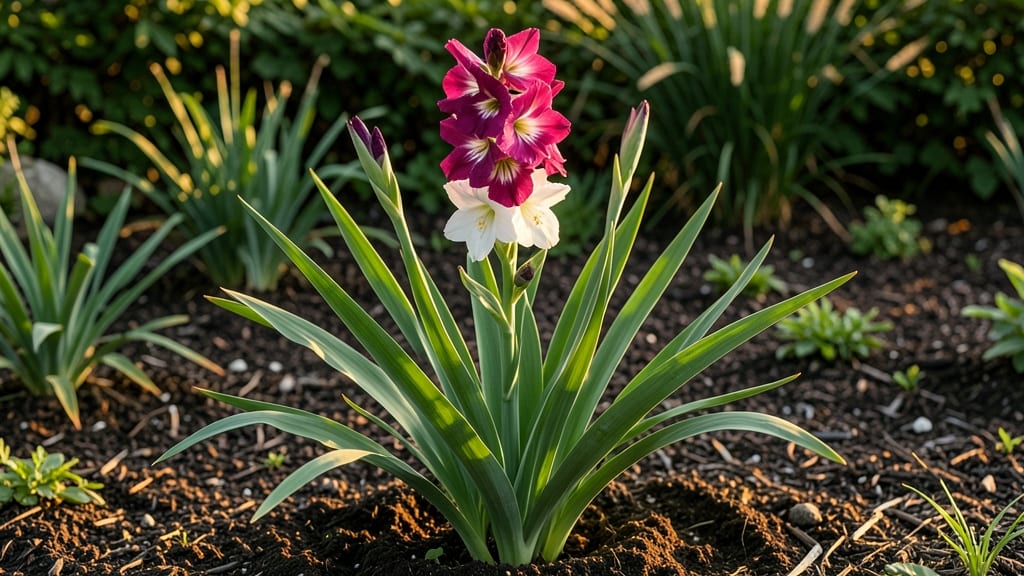
Gladiolus don't bloom all summer—most varieties produce just one vibrant flower spike per growing season, though reblooming types can sometimes deliver a second, smaller flush with ideal care and seasonal conditions.
Most gladiolus varieties are seasonal bloomers, meaning their energy is focused on producing a single dramatic spike of flowers during their peak growing season. 🌸 The reason behind this lies in their biology—each bloom cycle depletes stored energy in the corm, leaving little reserve for additional flowering.
However, certain hybrid cultivars like 'Green Star' or 'Picasso' are bred to rebloom under perfect conditions, offering gardeners a chance to extend their display.
To maximize your chances of seeing multiple blooms, focus on reblooming varieties and maintain consistent care. Proper deadheading (removing spent blooms) and balanced fertilization can sometimes coax a second, though often smaller, flower stalk. The key is understanding your specific cultivar's tendencies and adjusting your gardening approach accordingly.
💡 In This Article
- Gladiolus Flowering Science: Why Most Bloom Once
- How to Encourage Extended Gladiolus Blooms
Gladiolus flowering science: why most bloom once
The gladiolus's single-bloom cycle stems from its corm-based energy system. Each corm stores nutrients for one dramatic flowering event, typically lasting 2-3 weeks per spike.
This energy depletion explains why most varieties produce just one 3-6 foot tall stalk annually—once the corm exhausts its reserves, it enters dormancy until next season. 🔥
Photoperiod sensitivity plays a crucial role too. Gladiolus respond to day length changes, with most varieties requiring 12-14 hours of daylight to trigger blooming. This explains why summer-blooming types (like 'Black Star') peak in mid-to-late summer when daylight begins shortening.
Reblooming cultivars like 'Green Star' have slightly altered genetics that allow them to respond to secondary daylight cues.
Temperature also influences blooming patterns. Most gladiolus thrive in 60-75°F ranges, with cooler nights (55-60°F) often triggering flower bud formation. When summer heat exceeds 85°F for prolonged periods, many varieties simply stop producing new buds entirely.
This heat sensitivity explains why southern climates often see shorter bloom cycles compared to temperate regions.
The genetic difference between single-bloom and reblooming varieties lies in their corm development patterns. Rebloomers like 'Picasso' produce smaller secondary corms that can store enough energy for a second, though smaller, flower spike.
These varieties typically yield 15-20% smaller second blooms but can extend your display by 3-4 weeks with proper care.
What most gardeners don't realize is that even reblooming varieties have strict energy limits. Each additional bloom spike requires 30-50% more nutrients than the primary bloom. This is why over-fertilization can actually reduce blooming—it forces the plant to produce foliage instead of flowers.
The sweet spot is balanced 10-10-10 fertilizer applied every 4-6 weeks during the growing season.
Consider this comparison: A standard 'White Friendship' gladiolus will produce one 4-foot spike with 12-15 blooms, while a reblooming 'Green Star' might give you the same first spike plus a 2-foot second spike with 8-10 blooms.
The trade-off is worth it for gardeners wanting extended color, but requires more precise growing conditions. ✨