
Blooming
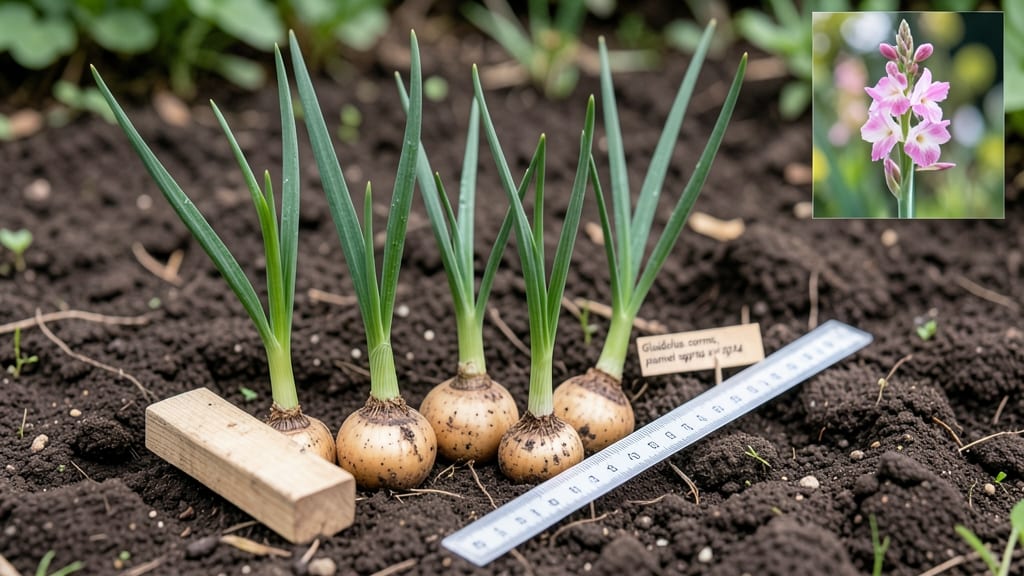
Gladiolus typically do not bloom during their first year after planting, as they prioritize establishing a robust root system and corm base. Most varieties need 8–12 weeks of growth before flowering, though some early varieties might produce occasional blooms under perfect conditions. Proper care during this foundational stage directly impacts their future blooming success.
This first-year focus isn't just about patience—it's about biology. 🌱 Gladiolus store energy in their corms (underground stems) rather than flowers, much like onions or garlic. The plant's energy goes toward building a strong network of roots and a larger corm, which becomes the powerhouse for next year's spectacular blooms.
Think of it like an athlete building muscle before competing: the stronger the foundation, the more impressive the performance will be. I've seen growers rush this process by over-fertilizing or planting too early, which actually delays blooming because the plant gets stressed trying to flower before it's ready.
What changes everything is how you care for them during this critical period.
Planting larger corms (at least 2 inches in diameter) gives you a head start, as they've already stored more energy. 🌿 Providing well-draining soil rich in organic matter and keeping the area consistently moist (but not soggy) helps the roots establish quickly.
And here's the secret weapon: full sun exposure for at least 6 hours daily triggers the hormonal signals that eventually lead to flowering—even if it won't happen until next season. The varieties you choose matter too; look for types labeled "early blooming" or "short-day" varieties if you're eager for color.
💡 In This Article
- Why Gladiolus Skip Blooming in Their First Year
- How to Encourage Earlier Gladiolus Blooms
Why gladiolus skip blooming in their first year
Gladiolus prioritize root and corm development over flowering in their first year because they're following a biological survival strategy.
These plants store energy in their corms—thickened underground stems that function like living batteries. 🌱 Unlike annuals that bloom immediately, gladiolus are geophytes, meaning they rely on underground storage organs to survive harsh conditions.
Studies show that corms must reach at least 2 inches in diameter before they'll allocate energy toward flowering, which typically takes 8-12 weeks of growth. This mirrors how tulips or daffodils focus on bulb expansion before blooming.
The flowering process in gladiolus is triggered by specific environmental cues, primarily day length and temperature.
Most varieties are long-day plants, meaning they need 14+ hours of daylight to initiate bloom formation—but they won't actually flower until the corm has stored sufficient energy. 🌞 The transition from vegetative growth to flowering requires a complex hormonal shift involving florigen (a flowering hormone) and gibberellins, which are only produced when the plant senses optimal conditions.
Too much nitrogen fertilizer in the first year can actually delay this process by promoting leafy growth at the expense of corm development.
Temperature plays a crucial role too. Gladiolus corms need soil temperatures between 60-70°F to grow actively, but they won't initiate flowering until they've experienced at least 60 days of consistent warmth.
This is why planting in early spring (after the last frost) gives them the best chance to establish before summer heat arrives. 🌡️ The corms also require a period of vernalization—a cold treatment—before they'll reliably flower, though this is usually handled naturally by the planting cycle in most climates.
Unlike tulips that bloom from stored energy in the bulb, gladiolus need both the right environmental signals AND sufficient stored energy to produce flowers.
Here's where things get interesting: some tropical varieties (like Gladiolus dalenii) can bloom in their first year because they've evolved different growth patterns. These types might produce smaller, fewer flowers but demonstrate how the plant's native climate influences its flowering strategy.
In contrast, traditional garden varieties from temperate zones follow the more conservative approach of waiting until their second year. 🌿 The key difference lies in their photoperiodic requirements—tropical types often bloom based on temperature alone, while temperate varieties need both light duration and energy reserves.
What most gardeners don't realize is how soil nutrients affect this timing. A deficiency in phosphorus (the P in NPK) can delay flowering by up to 4 weeks, while an excess of potassium (the K) can actually reduce flower quality.
The ideal soil mix should provide a balanced 10-10-10 fertilizer ratio during the first growing season to support both root development and early energy storage. This nutrient balance creates the foundation that will support those dramatic 3-5 foot spikes in subsequent years.
Comparing gladiolus to other bulb plants reveals their unique strategy.
Tulips and daffodils bloom from energy stored in their bulbs during the previous growing season, while gladiolus must build their corms from scratch. 🌼 This is why gladiolus often produce more flowers in their second year—they've had an entire season to develop a larger energy reserve.
The trade-off is that first-year gladiolus might look like they're "just growing leaves," but what you're seeing is the plant's investment in its future floral display.