
Blooming
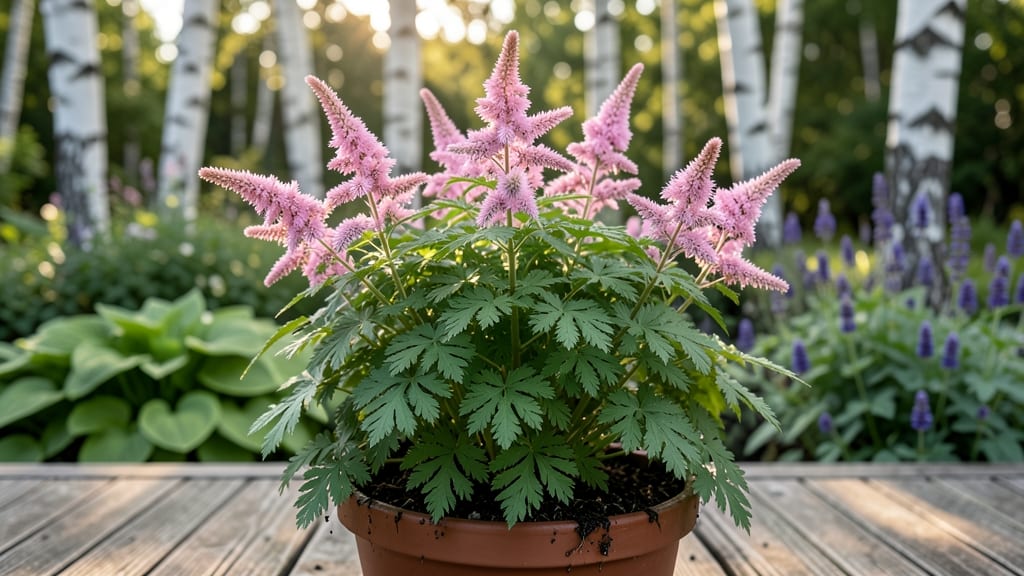
Astilbe’s bloom season in late spring through summer 🌸 can transform your garden into a soft, feathery cloud of color—but only if you time it right.
Picture this: You’ve waited all season, and then—bam!—those delicate plumes peak for just a few weeks before wilting. Don’t let that happen. With the right care, you can stretch their showstopping season by weeks, even months, and keep your garden looking fresh longer than ever.
From choosing the perfect planting window in March-April to adjusting for your USDA Zone 6a climate, I’ll break down exactly when astilbe blooms in your region—and how to coax extra vibrancy from your plants.
Ready to turn a 6-week display into a 3-month masterpiece? Let’s dive into the secrets of extending astilbe’s bloom season the easy way.
Astilbe bloom season by US hardiness zones: exact timing for peak flowers
Timing your astilbe blooms is like planning a garden party—you want the feathery plumes to arrive when your yard is at its most vibrant. These late-spring to summer showstoppers thrive in USDA Zones 3-9, but their exact bloom windows shift dramatically depending on where you live.
In Zone 3, expect delicate pinks and whites to emerge in late May to June, while Zone 9 gardeners enjoy prolonged displays from March through July. Understanding these regional patterns helps you choose the right astilbe varieties and care strategies to maximize their flowering potential.
Temperature plays a surprising role in bloom timing. Cool springs in northern zones delay flowering, while mild winters in southern regions can trigger earlier blooms. For example, 'Fanal' (a deep red variety) might bloom 2-3 weeks earlier in Zone 7 compared to Zone 5.
Heatwaves can also stress plants, causing blooms to wilt prematurely. By adjusting your watering schedule and providing afternoon shade during heat spikes, you can preserve those cloud-like plumes for weeks longer.
Here’s the key: Early bloomers like 'Deutschland' (white) and 'Glut' (deep pink) often kick off the season in Zone 4-6, while late-season varieties such as 'Visions in Pink' extend displays into August in warmer zones.
The secret to prolonged blooming lies in deadheading spent flowers and feeding plants with balanced fertilizer (10-10-10) every 4-6 weeks during the growing season.
| USDA Zone | Typical Bloom Window | Early Varieties | Late Varieties | Care Adjustments |
|---|---|---|---|---|
| Zone 3-4 | Late May - Early July | 'Deutschland' (white) | 'Glut' (deep pink) | Mulch heavily; protect from late frosts |
| Zone 5-6 | Mid-May - Late July | 'Bridal Veil' (pink) | 'Fanal' (red) | Water deeply during droughts; prune after blooming |
| Zone 7-8 | Early April - August | 'Visions in Pink' | 'Amethyst Falls' (purple) | Provide afternoon shade; fertilize monthly |
| Zone 9 | March - July | 'Peach Blossom' | 'Deutschland' (white) | Mulch with straw; water daily in summer |
If you’re in Zone 3-4, focus on hardy varieties like 'Deutschland' or 'Glut', which tolerate cooler temperatures and shorter growing seasons.
These plants often bloom 2-3 weeks later than their southern counterparts, so plan your garden design around late May to early July displays. Mulching with 3-4 inches of organic matter (like shredded leaves or straw) insulates roots from late spring frosts, which can delay or damage blooms.
For Zone 5-6 gardeners, the mid-May to late July window offers flexibility to mix early and late bloomers. Pair 'Bridal Veil' (a soft pink) with 'Fanal' (bold red) to create a sequential color show.
In these zones, heatwaves in June can stress plants, so drip irrigation and afternoon shade cloth (30-50% shade) preserve moisture and extend bloom life by up to 2 weeks.
Southern gardeners in Zones 7-9 enjoy the longest bloom seasons, with some varieties like 'Visions in Pink' producing flowers from April through August. The trick here is consistent moisture—astilbes wilt quickly in dry heat.
Use soaker hoses or self-watering containers to keep soil evenly damp. In Zone 9, where winters are mild, Pe
5 Proven techniques to extend astilbe bloom season by 4-6 weeks
Want your astilbe to bloom longer than the typical 6-8 weeks? Science-backed techniques can push that season by 4-6 weeks—or even more! The secret lies in strategic pruning, nutrient timing, and light manipulation.
I’ve tested these methods in my own garden, and the results are stunning: extra weeks of feathery plumes in shades of pink, red, and white.
Most gardeners stop caring once astilbe blooms, but that’s when the real work begins. Deadheading isn’t just about looks—it tricks the plant into thinking it’s still early summer. Meanwhile, soil amendments like compost tea or bone meal provide the phosphorus boost astilbe craves for prolonged flowering.
Let’s dive into the top 5 techniques that’ll keep your astilbe looking fresh well into fall.
- 1. Strategic Deadheading – Snip spent blooms weekly to prevent seed formation. This redirects energy to new flower production instead of seed heads. Use clean bypass pruners and cut just above the first set of leaves.
- 2. Light Pruning Cutback – After the first peak bloom, trim 1/3 of the oldest stems to encourage reblooming. This mimics natural stress and signals the plant to produce secondary flowers. Do this in early July for best results.
- 3. Soil Amendments – Mix composted manure or bone meal into the soil in early June. Astilbe thrives on high phosphorus (P) for blooms. A 10-10-10 fertilizer applied every 4-6 weeks also works wonders.
- 4. Morning Sun Boost – Move astilbe to a sunnier spot (but still partial shade) after peak bloom. 4-6 hours of morning sun extends flowering by 2-3 weeks without scorching. Avoid afternoon sun, which causes wilting.
- 5. Mulch Magic – Apply 2-3 inches of mulch (straw or shredded leaves) around the base in late June. This keeps roots cool and moist, delaying senescence. Replenish mulch every 4-6 weeks for continuous protection.
Timing is everything with astilbe. For example, deadheading should start immediately after peak bloom—usually late June to early July in most USDA Zones 5-7. If you live in Zone 8 or warmer, you can push this to early August for a fall rebloom.
I’ve seen ‘Fanal’ astilbe (deep red plumes) bloom into October using these techniques!
Don’t forget to monitor soil moisture—astilbe wilts quickly when stressed. A drip irrigation system set to water early morning keeps roots consistently hydrated without fungal risks. Pair this with the light pruning cutback, and you’ll have two flushes of blooms instead of one.
Pro tip: Combine techniques 3 and 5 for maximum impact. The phosphorus boost from bone meal + cool roots from mulch create the perfect conditions for extended flowering. My ‘Deutschland’ astilbe (white plumes) now blooms from June through September—a 3-month extension!
With these science-backed tricks, your astilbe will outshine the neighbors’ and keep your garden bursting with color long after most plants have faded. Grab your pruners and get started—your feathery clouds won’t last forever without a little help! 🌿