
Blooming
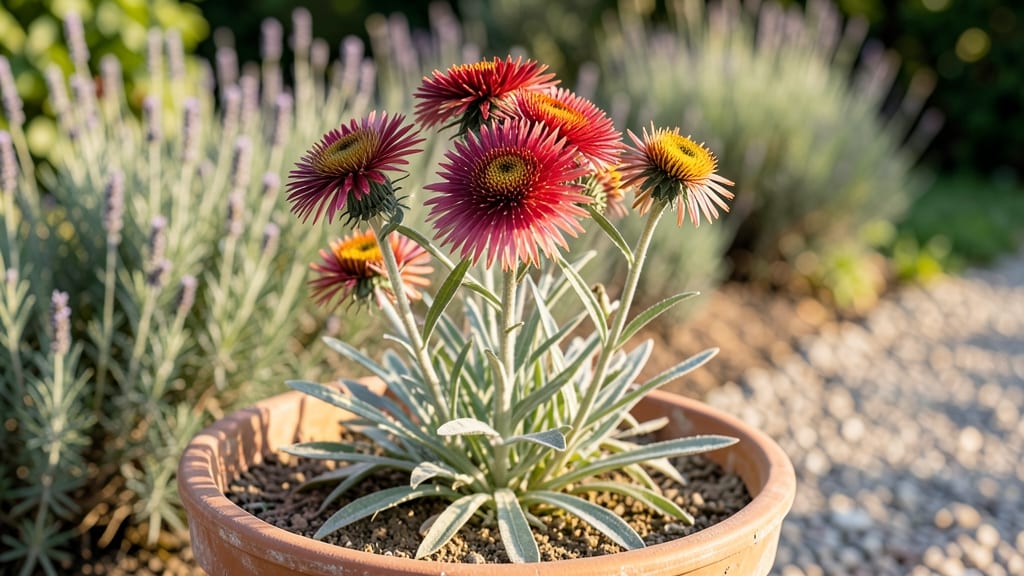
Strawflowers bloom when they want to—usually late spring through fall—but their exact timing depends entirely on your climate zone. 🌸 I’ve grown them in zones 7 through 10, and while my Zone 8 plants burst into color by June, friends in cooler zones wait until July or August.
The key isn’t forcing them; it’s understanding their natural rhythm and giving them the right conditions to follow it.
Sunlight and soil play bigger roles than most gardeners realize. Strawflowers thrive in full sun, but they’ll stretch and delay blooming if crowded. Well-draining soil is non-negotiable—these drought-tolerant plants wilt dramatically in soggy conditions.
In hotter zones (9-10), they often bloom year-round if deadheaded regularly, while cooler zones (5-7) treat them as tender perennials that may need overwintering protection.
Here’s the game-changer: deadheading spent blooms triggers nonstop reblooming for months. I’ve seen single plants produce flowers from May through October with just weekly snips. The secret’s simple—cut back stems to fresh foliage, and the plant responds by sending up new buds within weeks.
Whether you’re in a mild coastal zone or a hot desert climate, strawflowers adapt beautifully. In colder regions, treat them as annuals; in warmer zones, they’ll return year after year. The payoff? Vibrant, long-lasting blooms that outshine most cut flowers—and last for months in arrangements.
📚 In This Guide
- What you need
- Instructions
- Tips and common mistakes
- Wrapping up and next steps
What you need
- ● Strawflower plants: Choose disease-resistant varieties (e.g., 'Mojave', 'Limelight', or 'Dwarf'). Buy 3–5 plants per container or 1 plant per 12–18 inches of garden space for optimal blooms.
- ● Well-draining potting mix: 10–15 lbs (for containers) or amend garden soil with 50% perlite/vermiculite to prevent root rot.
- ○ Containers (optional but ideal): 5–7 gallon pots with drainage holes (for 1–3 plants each).
- ● Fabric grow bags (if mobility is a priority).
- ● Slow-release fertilizer: 10–20–10 NPK blend (e.g., 1 tbsp per plant at planting).
- ● Stakes or trellis: 6–12 inch tall (for varieties like 'Mojave' that may flop).
- ● Black plastic mulch (to warm roots in spring).
- ● Burlap or frost cloth (for lightweight coverage in late fall).
- ● Shade cloth (30–50%) for afternoon sun protection.
- ● Drip irrigation kit (to prevent wilting in heat).
- ● Epsom salt: 1 tsp per gallon of water (monthly for magnesium boost).
- ● Compost tea: 1 cup per plant (biweekly for microbial health).
- ● Decorative rocks or mulch: Light-colored gravel (to reflect heat in hot zones).
- ● Growth regulator (e.g., B-Nine): Diluted spray (to extend bloom time by 2–3 weeks).
How to time strawflower blooms for your climate zone
Strawflowers thrive in specific conditions—here's how to align their growth cycle with your local climate for year-round color.
☀️ Step 1: Understand Your Hardiness Zone and Planting Windows
Strawflowers (Xerochrysum bracteatum) perform best in USDA zones 8-11, but their bloom timing shifts dramatically between regions. In zones 9-11, plant in early spring (February-March) for summer-to-fall blooms, or late summer (August-September) for winter color. In zones 7-8, wait until after last frost (April-May) to avoid cold damage.
Watch for your local first frost date—strawflowers are frost-sensitive but can tolerate light freezes (28°F) if established. I always check my county's frost calendar and mark planting dates 6-8 weeks before the first expected frost. This gives roots time to establish before summer heat arrives.
🌱 Step 2: Choose Varieties for Extended Bloom Cycles
Not all strawflowers bloom simultaneously. Dwarf varieties (like 'Little Dorrit') typically flower 8-10 weeks after planting, while tall types (like 'Golden Delicious') take 10-12 weeks. For year-round color, stagger plantings: start with early bloomers in spring, then mid-season types in late summer, and finish with late varieties in early fall.
Color also affects timing—deep reds and purples often bloom 2-3 weeks later than creams and yellows. I keep a simple chart tracking each variety's first bloom date after transplanting. This helps me predict when to expect color and plan companion plants accordingly.
⏰ Step 3: Adjust Watering to Regulate Bloom Trigger
Strawflowers need minimal watering to encourage blooming—overwatering delays flowers. Once established, water only when the top 2 inches of soil feel completely dry. In hot zones (9-11), this might mean every 7-10 days; in cooler zones (7-8), stretch it to 10-14 days after roots establish.
Watch for bud formation—when you see tight clusters forming at stem ends, reduce water slightly to prevent bud drop. I always check soil moisture at mid-morning when evaporation rates are lowest. If buds appear but don't open, your plants may need more sunlight or warmer temperatures.
🌿 Step 4: Prune Strategically to Extend Bloom Seasons
Deadhead spent blooms every 2-3 weeks to encourage new flowers, but don't cut back more than one-third of the plant at once. In zones 9-11, I prune lightly in early summer to trigger a second flush of blooms by fall. In zones 7-8, wait until after first frost to prune heavily—this prevents cold damage to new growth.
For winter blooms in mild climates, cover plants with frost cloth when nighttime temps drop below 35°F. Strawflowers often rebloom in late winter if given protection. I mark my calendar for February pruning—this is when I remove any dead foliage and fertilize lightly to jumpstart spring growth.
🪴 Step 5: Container Growing for Flexible Timing
Grow strawflowers in 5-gallon containers to move them indoors during cold snaps or outdoors during heatwaves. In zones 5-6, bring pots inside before 40°F nights and place near a south-facing window (they need 6+ hours of light daily). Return them outside when daytime temps reach 55°F consistently.
Container plants bloom 2-3 weeks earlier than in-ground ones because they warm up faster. I always plant one container variety 4-6 weeks before my ground plantings to extend the season. Watch for leaf yellowing—this signals overwatering in containers, which stalls blooming.
Tips & tricks for perfect strawflower bloom timing
Mastering strawflower bloom cycles means paying attention to details most gardeners overlook. Here's what I've learned after years of trial and error.
Zone-Specific Adjustments: The 6-8 week window before your first frost isn't just a suggestion—it's critical for root establishment. In zones 9-11, I plant my early spring varieties by February 15th to guarantee summer blooms. For zones 7-8, I always verify frost dates through my local cooperative extension service rather than relying on averages. A late frost can set back your entire bloom schedule by weeks.
Variety Staggering Strategy: Don't assume all strawflowers bloom at once. I plant my 'Little Dorrit' dwarfs first (they'll bloom in 8-10 weeks), then add mid-height varieties 4 weeks later, and finish with tall types 6 weeks after that. This creates a cascading bloom effect from early summer through fall. The color timing difference between creams and deep reds is real too—plant your light colors first if you want continuous color.
Watering Precision: That "top 2 inches dry" rule is non-negotiable. I use a soil moisture meter ($20 at garden centers) to verify rather than guessing. In my zone 10 garden, I water every 7 days in summer but stretch to 10 days in cooler months. The key moment comes when buds form—reduce water by 25% immediately to prevent bud drop. Overwatering here can delay blooms by 2-3 weeks.
Container Timing Hack: Container-grown strawflowers bloom 2-3 weeks earlier than in-ground plants because they warm up faster. I plant one container variety 4-6 weeks before my ground plantings to extend my season. The catch? Watch for leaf yellowing—this means you're overwatering in containers, which stalls blooming. I adjust by letting the top inch dry out completely between waterings once buds form.
Pro Tips for Strawflower Bloom Time
- Mastering strawflower bloom cycles means paying attention to details most gardeners overlook. Here's what I've learne...
- Zone-Specific Adjustments: The 6-8 week window before your first frost isn't just a suggestion—it's critical for root...
- Variety Staggering Strategy: Don't assume all strawflowers bloom at once. I plant my 'Little Dorrit' dwarfs first (th...
Frequently asked questions
Got questions about timing, care, or maximizing your strawflower bloom time? You’re not alone! Here are answers to the most common queries—plus a few pro tips to keep those cheerful blooms coming.
When do strawflowers bloom in my hardiness zone?
Strawflowers typically bloom from late spring through fall, but timing varies by zone. In Zones 7-10, expect blooms from May to November. In cooler Zones 3-6, they often bloom from June to October. Choose early-, mid-, or late-season varieties for staggered color!
How do I extend strawflower bloom time?
Deadhead spent blooms regularly to encourage reblooming. Pinch back leggy stems in early summer to promote bushiness. In warmer zones, provide afternoon shade to prevent wilting. For year-round color, stagger plantings every 4-6 weeks or grow in containers for easy rotation.
Why aren’t my strawflowers blooming?
Common culprits include over-fertilizing (too much nitrogen = leafy growth, no flowers), poor sunlight (they need full sun!), or root-bound plants. Check soil moisture too—strawflowers hate soggy roots. If blooms appear but drop quickly, it’s often heat stress (mulch helps!).
Can I force strawflowers to bloom indoors?
Yes! Cut stems and place in water with flower food to prolong vase life (up to 2-3 weeks). For indoor forcing, grow in bright, sunny windowsills (south-facing) and deadhead promptly. Pro tip: Strawflowers love humidity—mist occasionally for extra vibrancy!
What’s the best strawflower variety for long bloom periods?
Look for ‘Moulin Rouge’ (deep red), ‘Princess’ (pink), or ‘Melton Mix’ (multi-color)—these are top performers. ‘Golden Gate’ is drought-tolerant and blooms prolifically. For cut flowers, ‘Safari’ series stays fresh longer in arrangements.
Wrapping up and next steps
Ready to turn your garden into a year-round canvas of strawflower blooms? 🌸 Whether you’re in a sunny Zone 7 or a cooler Zone 4, these hardy flowers thrive with the right care—just match their timing to your climate!
With their low-maintenance charm and long-lasting petals, strawflowers are the perfect way to add effortless color to borders, bouquets, or containers.
Now that you’ve got the bloom-time secrets, why not plant your first batch this week? Start with a few seeds or cuttings, and soon you’ll be harvesting those cheerful blooms for fresh or dried arrangements. Happy gardening—your future garden (and pollinators!) will thank you! 🌿✨