Blooming
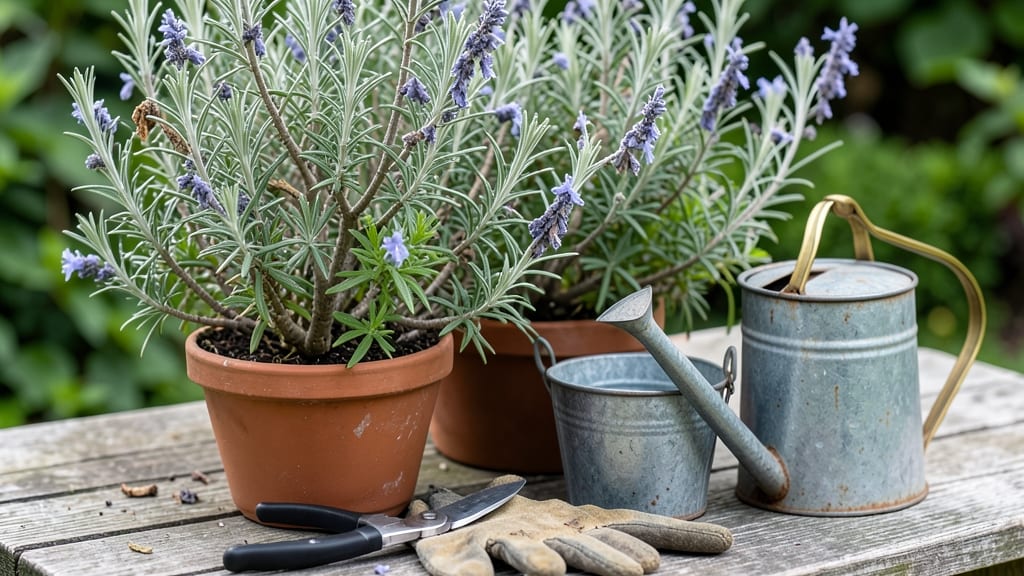
Your salvia’s vibrant blooms disappeared overnight—and I’ve been there. 🌸 How to get salvia to bloom again—the good news is that most salvia plants just need a reset, not a replacement.
After my own salvia went dormant last summer, I discovered three simple fixes that brought back those striking purple spikes within weeks.
The first step is always light—salvia craves 6+ hours of direct sun daily, but too much scorching heat can stress it. Next, prune back one-third of the stems after the first flush of blooms to encourage fresh growth.
Finally, feed with a low-phosphorus fertilizer (like 10-10-10) every 4-6 weeks to avoid leafy growth at the expense of flowers.
By late summer, you’ll see new buds forming at the stem tips, and those signature spikes will return bigger and more abundant than ever. The secret is patience—salvia often takes 6-8 weeks to recover, but the payoff is worth it.
Works for both perennial salvia (like ‘May Night’) and annual varieties. Here’s how to troubleshoot the most common blooming roadblocks—starting with the easiest fixes first.
📚 In This Guide
- What you need
- Instructions
- Tips and common mistakes
- Wrapping up and next steps
What you need
- ● Pruning shears or sharp scissors – Sterilized (70% isopropyl alcohol works!)
- ● Well-draining potting mix – Cactus/succulent blend (or add perlite/pumice for extra drainage)
- ● Balanced, water-soluble fertilizer – 10-10-10 or 20-20-20 NPK ratio (diluted to half-strength)
- ● Watering can with a rose attachment – For gentle, targeted hydration
- ● Sunlight meter or light meter app – To monitor 6-8 hours of full sun daily
- ● Spray bottle with water – For misting (especially in dry climates)
- ● Slow-release fertilizer granules – Mix into soil for 3-4 months of nourishment
- ● Grow lights (LED or fluorescent) – If natural light is insufficient (under 6 hours/day)
- ● Plant food (fish emulsion or seaweed extract) – Boosts root and bloom health
- ● Mulch (gravel or pebbles) – Helps retain moisture and regulate soil temp
- ● pH test kit – Ensure soil is neutral (6.0-7.0) for optimal uptake
How to get salvia to bloom again
Here's the straightforward approach I've used to coax salvia back into vibrant bloom year after year.
🌱 Step 1: Prune Back Dormant Stems to the Ground
When your salvia goes dormant, those brown, woody stems are just holding onto last season's energy. Grab your pruners and cut every stem back to about 1/4 inch above the soil line. I know it looks drastic—like you've killed the plant—but this is exactly what salvia needs to trigger fresh growth.
Work on a dry day when the plant isn't actively stressed. Remove any dead or diseased foliage first, then tackle the main stems. You'll notice the plant looks completely different afterward, but those thick roots are full of stored energy just waiting to fuel new blooms.
☀️ Step 2: Provide Full Sun and Consistent Watering
Salvia blooms best with 6-8 hours of direct sunlight daily. Move your plant to the sunniest spot in your garden or patio, even if it means relocating it. Most people underestimate how much light salvia truly needs—it's the #1 reason plants fail to rebloom.
Water deeply once a week during the growing season, allowing the top 2-3 inches of soil to dry out between waterings. You'll know it's time when the soil feels dry to the touch. Overwatering causes root rot, while underwatering stresses the plant—both will delay or prevent blooming.
✂️ Step 3: Fertilize Lightly and Deadhead Regularly
About 4-6 weeks after pruning, when you see new growth emerging, apply a balanced, water-soluble fertilizer (10-10-10) at half strength. Salvia doesn't need heavy feeding—too much nitrogen produces lush foliage but fewer blooms. I use about 1 teaspoon per gallon of water for my plants.
As soon as you see flower buds form, start deadheading spent blooms immediately. This encourages the plant to redirect its energy into producing more flowers instead of setting seed. Pinch off old flower stems just above a set of leaves—you'll see new buds appearing within 2-3 weeks if the plant is healthy.
🌿 Step 4: Watch for New Growth and Adjust Care
Within 3-4 weeks of pruning, you should see fresh green shoots emerging from the base of the plant. This is your signal that the plant is waking up and ready to bloom again. If you don't see new growth after 6 weeks, check your light conditions—salvia needs bright, direct sunlight to trigger blooming.
Continue monitoring soil moisture and avoid letting the plant dry out completely. Once flowers appear, you can reduce watering slightly but keep the soil consistently moist. The first flush of blooms might be smaller than usual, but subsequent blooms will be fuller and more abundant.
Tips & tricks for reviving salvia blooms
Here's what nobody tells you about bringing salvia back to life—these tricks have saved my plants every dormant season.
Pruning Precision: When cutting back those woody stems in Step 1, use sharp, sterilized pruners to make clean cuts at that 1/4-inch mark. Ragged cuts invite disease, and dull blades crush stems instead of cleanly severing them. I like to work on a dry morning when the plant's natural defenses are strongest—this reduces stress and speeds recovery. The key is confidence: those stems won't grow back, but the roots will thank you with vigorous new shoots.
Light Strategy: The 6-8 hours of sunlight in Step 2 is non-negotiable, but here's the secret: place your salvia where it gets morning sun and afternoon shade if your climate is extremely hot. Too much midday sun can scorch tender new growth. I've found that east-facing windows or slightly shaded garden spots work beautifully in summer. Watch for leaves that look sunburned (white or yellow patches)—this is your plant's way of saying "too much sun!"
Fertilizer Timing: That 4-6 week window for fertilizing in Step 3 is perfect, but here's what I do differently: I wait until I see at least 2-3 inches of new growth before applying fertilizer. This ensures the plant has enough energy to use the nutrients effectively. Also, mix your 1 teaspoon of 10-10-10 fertilizer with a gallon of water and apply it to the soil around the base—not on the leaves—to prevent burning. Think of it as a gentle wake-up call rather than a heavy dose of vitamins.
Deadheading Discipline: When you start deadheading in Step 3, don't just snip off the spent flowers—look for the first set of leaves below the bloom and cut just above that. This encourages branching and more flowers rather than just one long stem. I've seen plants that went from 3 main stems to 15+ after consistent deadheading. And here's a pro move: use clean, sharp scissors rather than your fingers to avoid spreading disease between stems.
Pro Tips for Get Salvia To Bloom Again
- Here's what nobody tells you about bringing salvia back to life—these tricks have saved my plants every dormant season.
- Pruning Precision: When cutting back those woody stems in Step 1, use sharp, sterilized pruners to make clean cuts at...
- Light Strategy: The 6-8 hours of sunlight in Step 2 is non-negotiable, but here's the secret: place your salvia where...
Frequently asked questions
Got questions about coaxing your Salvia back to life? You’re not alone! Here are answers to the most common concerns—because every gardener deserves a second (or third!) chance at those stunning blooms.
Why won’t my Salvia rebloom even after pruning and fertilizer?
If your Salvia is still stubborn, check its light exposure—it needs full sun (6+ hours daily). Over-fertilizing with high-nitrogen can also stunt flowers. Try a balanced bloom booster (like 10-10-10) and ensure proper drainage. Salvia sometimes needs a stress trigger, like a light frost or slight root restriction, to kickstart reblooming.
How long does it take for Salvia to bloom again after dormancy?
Patience is key! With ideal conditions, you’ll see new buds in 4–8 weeks. If your plant is young or stressed, it may take longer. Monitor for leaf regrowth first—that’s your sign it’s waking up. Pro tip: Deadhead spent blooms weekly to encourage continuous flowering.
Can I force Salvia to rebloom in winter?
Most Salvia varieties are dormant in winter and won’t bloom until spring. However, tender perennials (like Salvia leucantha) can sometimes be coaxed indoors with grow lights and warmth (65–75°F). If outdoors, protect from frost and reduce watering—stress can trigger early spring blooms! →
What’s the best alternative if my Salvia refuses to rebloom?
If your Salvia is permanently finicky, try these low-maintenance rebloomers instead:
- Lantana – Thrives in heat, blooms nonstop
- Zinnias – Fast-growing, cut-and-come-again
- Bee Balm (Monarda) – Loves partial shade, reblooms easily
- Salvia ‘May Night’ – A Salvia hybrid with reliable reblooming
Or propagate your Salvia from cuttings—sometimes the next generation is more cooperative!
My Salvia leaves are yellow—will it still bloom?
Yellow leaves usually signal overwatering or nutrient deficiency. Salvia prefers dry soil—let the top 2 inches dry out between waterings. Flush the soil with water to remove excess salts, then switch to a low-nitrogen fertilizer (like 5-10-10). With proper care, it can still rebloom, but focus on root health first. →
Wrapping up and next steps
Reviving your salvia to bloom again is totally within reach—just a little patience, the right care, and these proven steps! 🌿 Whether it’s adjusting sunlight, feeding roots, or pruning with purpose, your plant is ready to reward you with vibrant blooms once more. Now’s your moment to take action: pick one tip from this guide and try it this week.
Watch closely, and soon, you’ll be the proud gardener of a thriving, show-stopping salvia!