
Blooming
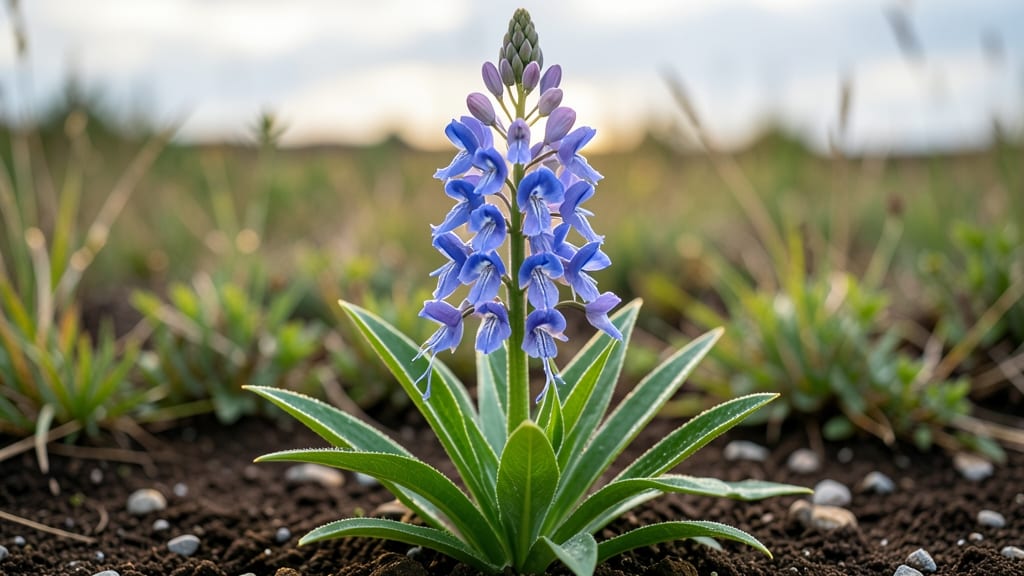
Larkspur blooms in June through August for most varieties, turning your garden into a vibrant display of spires and color 🌸 — but timing shifts dramatically depending on where you live and how you care for them.
Picture this: you’ve waited months for those delicate blue, pink, or white spikes to appear, only to find your neighbors’ larkspurs already in full glory while yours are still struggling to open. That gap isn’t luck—it’s all about planting windows, sunlight, and even soil temperature.
In cooler climates like USDA Zone 6a, larkspurs often burst into bloom as early as late May, while warmer regions might see them peak in July or August.
The key? Planting seeds at the right time—March to April after the last frost—and giving them the full sun they crave.
Below, I’ll break down the exact bloom schedules by variety, how to adjust for your hardiness zone, and the simple tricks to stretch those flowers from June straight into September—so you’ll never miss a single spike again.
Exact larkspur bloom time by variety: annual vs perennial differences
Larkspur (Consolida spp.) is a stunning annual flower that adds vertical drama to gardens with its spiky blooms, but not all varieties bloom at the same time.
Understanding the exact bloom windows for popular larkspur varieties helps you plan for a garden that stays vibrant from early summer to fall. Most larkspurs are annuals, but their bloom periods vary based on variety, with some starting as early as late May and others lasting until early September.
Let’s break down the timing for your favorite types.
Annual larkspurs are the most common, offering 3-8 weeks of continuous blooms once they establish. Perennial types (like Delphinium hybrids) are rarer but provide recurring blooms over multiple years if given proper care.
The key to maximizing your larkspur’s potential lies in selecting varieties that overlap bloom periods or planting them in succession. For example, pairing early bloomers like Dwarf Blue with late-season Russian Giant ensures your garden stays colorful all summer long.
If you’re planning a sequential bloom garden, start with Dwarf Blue in late May to kick off the season. Its compact size makes it perfect for containers or edging, while its early blooms create instant color.
Follow it with Consul Mix in mid-June for a mid-season burst of blues and purples. For late-summer interest, Russian Giant and Pacific Giant will carry your garden into September with their towering spikes.
The perennial larkspur (*
How hardiness zones affect larkspur bloom timing (Zone 3-10 guide)
Larkspurs thrive in cool climates but struggle in heat, making hardiness zones critical for bloom timing. In Zone 3, expect blooms as early as late May, while Zone 10 gardens may see flowers stretching into September. The key difference? Frost sensitivity shifts bloom windows dramatically.
Cooler zones (3-6) trigger earlier blooming because shorter growing seasons push plants to flower faster. Warmer zones (7-10) often delay blooms until summer's end unless you use season-extending tricks.
For example, Russian Giant larkspur in Zone 5 blooms in June-July, but the same variety in Zone 8 may wait until August.
| USDA Zone | Typical Bloom Window | Key Adjustments | Frost Risk |
|---|---|---|---|
| 3-4 | Late May - Early July | Plant early (April), use row covers | High spring frost |
| 5-6 | June - Mid-August | Deadhead weekly to extend blooms | Moderate late frost |
| 7-8 | July - September | Provide afternoon shade in peak heat | Low frost risk |
| 9-10 | August - October | Use drip irrigation to prevent bolting | None |
In Zones 3-4, larkspurs often bloom 3-4 weeks earlier than their southern counterparts. This is because cooler temperatures accelerate flowering. To compensate, I recommend planting seeds indoors 6-8 weeks before your last frost date and hardening them off before transplanting.
For Zones 7-10, the challenge is heat stress. Larkspurs may bolt prematurely or produce fewer blooms if temperatures exceed 85°F. My solution? Shade cloth during peak afternoon heat and consistent moisture to keep roots cool.
In Zone 10, you can even get two bloom cycles by succession planting in fall.
One pro tip for all zones: Deadheading spent blooms extends the season by 2-4 weeks. In cooler zones, this prevents self-seeding and redirects energy to new growth. In warmer zones, it combats heat-induced dormancy. Pair this with balanced fertilizer every 4-6 weeks during active growth.
Remember, soil temperature matters just as much as air temperature. Larkspurs prefer 55-65°F soil to germinate. In Zones 3-5, use black plastic mulch to warm the soil faster. In Zones 9-10, reflective mulch can prevent overheating. These small adjustments make a huge difference in bloom timing! 🌸