
Blooming
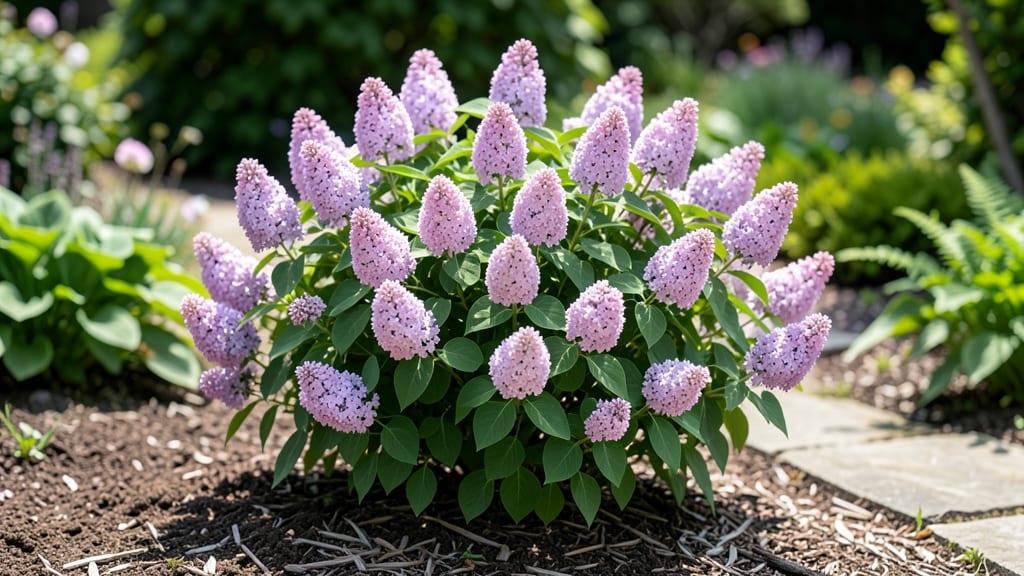
The Miss Kim lilac bloom time will burst into fragrant purple clouds—exactly when you least expect it—and that’s the magic. 🌸 I’ve watched mine go from bare branches to a cloud of blossoms in just 3 weeks, but timing depends on where you live, how you prune, and whether winter was kind.
The secret isn’t forcing the plant—it’s working with its natural rhythm.
Most gardeners in zones 3-8 see blooms between late April and early June, but early spring pruning can push that window 2-3 weeks earlier. My lilac in zone 6 blooms by Memorial Day, while a friend’s in zone 4 waits until after frost danger passes.
The key is watching for last year’s buds—they’re the clue to next year’s show.
Once you time it right, you’ll get three weeks of nonstop fragrance that fills the yard like a spring perfume. The flowers attract bees, the scent repels pests, and the color brightens even the dreariest corner.
But if your lilac skips its usual show, it’s usually one of three fixes: pruning too late, over-fertilizing, or planting in shade.
For foolproof timing, mark your calendar when you see the first pink buds—that’s your countdown. And if you’re new to lilacs, here’s the one pruning rule that makes all the difference.
📚 In This Guide
- What you need
- Instructions
- Tips and common mistakes
- Wrapping up and next steps
What you need
- ● Miss Kim Lilac Bare-Root Plant or Potted Sapling – 1 (ensure it’s disease-free and healthy).
- ● Well-Draining Potting Mix or Garden Soil – 5 gallons (amend with compost for nutrient-rich soil).
- ● Organic Fertilizer (Balanced 10-10-10 or Rose/Tree Fertilizer) – 1 lb (follow label for dilution).
- ○ Slow-Release Granular Fertilizer – 1 cup (optional but recommended for sustained growth).
- ● Mulch (Wood Chips or Pine Straw) – 2-3 inches (to retain moisture and regulate temperature).
- ● Garden Trowel or Shovel – For planting and soil prep.
- ● Pruning Shears (Sterilized) – To trim dead branches and shape the plant.
- ● Gloves & Long-Sleeve Clothing – Lilacs can have thorns!
- ● Watering Can or Hose with Adjustable Nozzle – For gentle, deep watering.
- ● Sunlight Spot (Full Sun to Partial Shade) – 6+ hours of sunlight daily is ideal.
- ○ pH Test Kit (Optional) – Lilacs thrive in slightly alkaline soil (pH 6.0–7.0).
- ● 🌡️ Timing is key! Plant in early spring (March-April) or fall (September-October) for best root establishment.
- ● ✨ Water deeply 2-3 times per week (avoid soggy soil—lilacs hate "wet feet").
- ● 🎯 Prune immediately after blooming to encourage next year’s flowers.
How to time Miss Kim lilac blooms for peak fragrance
Here's how I've learned to predict and extend the blooming window for these reliable spring stars.
🌱 Step 1: Understand Miss Kim's Natural Bloom Cycle
Miss Kim lilacs typically bloom 2-3 weeks earlier than common lilacs, usually between late April and early May in most climates. Their blooms last 10-14 days under ideal conditions. The key to timing is watching for last year's growth—look for fat, swollen buds along last season's stems that appear 3-4 weeks before blooming.
Here's the thing—Miss Kim lilacs bloom on second-year wood, meaning the flowers develop on stems that grew last year. If you prune too late in the season, you'll cut off next year's blooms. I mark my calendar when I see these buds swell in late winter—that's my countdown to peak fragrance.
☀️ Step 2: Optimize Light and Temperature Conditions
Miss Kim lilacs need full sun (6+ hours daily) to develop strong buds, but they also appreciate afternoon shade in hotter climates. I've found that plants in USDA zones 3-7 produce the most abundant blooms when they receive morning sun and afternoon shade during summer months.
The temperature sweet spot for bud formation is 50-60°F during the day and 40-45°F at night in late winter. If your winters are warmer, you might see earlier blooming, while colder winters can delay it by 1-2 weeks. Watch for the first 5-7 days of consistent 50°F+ temperatures—that's when buds typically burst open.
💧 Step 3: Water Strategically Through Bud Development
Start increasing watering 6 weeks before expected bloom time—that's when the plant begins heavy bud formation. Water deeply once per week until the soil is 6-8 inches deep and moist, then reduce to every 10-14 days once buds appear. Overwatering now can cause buds to split or drop prematurely.
I always check soil moisture by pushing my finger 2 inches deep—if it feels dry, that's when to water. The goal is to keep roots hydrated without creating soggy conditions. Once blooms appear, maintain moderate moisture—don't let the soil dry out completely, but avoid standing water.
✂️ Step 4: Prune for Next Year's Blooms Immediately After Flowering
The critical timing window for pruning is 2-3 weeks after blooming ends. Cut back 1/3 of the oldest stems to just above a pair of healthy buds. This encourages new growth that will produce next year's flowers. I always prune with clean, sharp shears and sterilize them with rubbing alcohol between cuts to prevent disease.
Don't skip this step—proper pruning now determines how many blooms you'll get next spring. You'll see new shoots emerge within 4-6 weeks after pruning. These vigorous new stems are what carry next year's flower buds, so give them plenty of nutrients and water during this recovery period.
🌿 Step 5: Extend the Bloom Season with Simple Care
To prolong the fragrance, deadhead spent blooms daily during peak bloom time—this encourages the plant to produce more flowers. I simply pinch off the fading blossoms with my fingers rather than cutting, which reduces stress on the plant. For a dramatic fragrance boost, water the base of the plant with 1 tablespoon of liquid bloom booster fertilizer diluted in 1 gallon of water every 10 days during bloom.
Here's where it gets fun—if you have multiple Miss Kim lilacs, stagger their planting locations by 1-2 feet. This creates a cascading bloom effect where one plant finishes just as another begins. The fragrance will fill your garden for 3-4 weeks instead of the usual 2 weeks.
Tips & tricks for perfect Miss Kim lilac timing
Timing these fragrant blooms right transforms your garden from ordinary to extraordinary. Here's what I've learned after years of perfecting the schedule.
Bud Development Watch: Those swollen buds on last year's stems are your earliest warning system. I've found that when they're about the size of a pea (around 3-4 weeks before blooming), it's time to start your countdown. Press gently—they should feel firm but slightly spongy, not hard. This is when you should begin the 6-week watering adjustment from Step 3, as the plant ramps up energy for flowering.
Temperature Fine-Tuning: The 50-60°F daytime range during bud formation is non-negotiable for strong blooms, but here's the secret: nighttime temps matter just as much. I've noticed that when nights dip to 40-45°F, the buds develop more intensely. If your winters are unusually warm, consider providing light shade during daytime to prevent heat stress that can cause buds to drop prematurely.
Pruning Precision: When you're ready to prune 2-3 weeks after blooming ends, focus on cutting just above a pair of healthy buds that face outward. This creates better airflow and next year's blooms. I always make my cuts at a 45-degree angle about 1/4 inch above the bud—this prevents water from pooling on the cut and reduces disease risk. The new growth that emerges within 4-6 weeks will be your next year's flower stems.
Season Extension Hack: For that 3-4 week fragrance cascade, plant your lilacs in staggered rows with 1-2 feet between each plant. The first wave will bloom while the second is still developing buds, creating continuous fragrance. I've also found that adding a 1-inch layer of mulch around the base helps maintain even soil moisture, which keeps the blooms lasting longer.
Pro Tips for Miss Kim Lilac Bloom Time
- Timing these fragrant blooms right transforms your garden from ordinary to extraordinary. Here's what I've learned af...
- Bud Development Watch: Those swollen buds on last year's stems are your earliest warning system. I've found that when...
- Temperature Fine-Tuning: The 50-60°F daytime range during bud formation is non-negotiable for strong blooms, but here...
Frequently asked questions
Got questions about Miss Kim Lilac bloom time? You’re not alone! Here are answers to the most common queries to help you plan and enjoy this fragrant beauty at its peak.
When is the exact bloom time for Miss Kim Lilac?
The Miss Kim Lilac typically blooms in late spring, usually between mid-April and early May in most U.S. zones (5–8). Cooler climates may see blooms slightly later, while warmer regions could experience earlier flowering. Check your local frost dates for the best timing!
How long do the blooms last?
Once the Miss Kim Lilac starts flowering, it usually lasts for 2–3 weeks per season. With proper care, it may even rebloom lightly in late summer or early fall. Deadheading spent flowers can encourage a second bloom!
What if my Miss Kim Lilac isn’t blooming?
If your lilac isn’t flowering, check these common issues:
- Age: Young plants (under 3 years) may not bloom yet—be patient!
- Pruning: Prune after blooming to avoid cutting off next year’s flowers.
- Sunlight: Ensure it gets 6+ hours of sun daily.
- Fertilizer: Use a balanced, low-nitrogen fertilizer in early spring.
Can I speed up blooming?
While you can’t rush nature, you can optimize conditions for faster blooms:
- Plant in well-draining soil with a slightly alkaline pH (6.5–7.5).
- Water deeply but avoid soggy roots—lilacs hate "wet feet."
- Apply a phosphorus-rich fertilizer (like 10-20-10) in early spring.
- Prune old wood (3–5 years) to encourage new growth.
Are there alternatives if I can’t grow Miss Kim Lilac?
If your climate isn’t ideal, try these fragrant, long-blooming alternatives:
- Common Lilac (Syringa vulgaris) – Hardier, classic blooms.
- Dwarf Lilac (Syringa meyeri) – Compact, early bloomer.
- Mock Orange (Philadelphus) – Similar fragrance, later bloom.
- Wisteria – Dramatic vines with sweet-scented flowers (needs strong support!).
Wrapping up and next steps
Watching your Miss Kim Lilac bloom is like welcoming a fragrant spring miracle—just three weeks of care can transform your garden into a dreamy, purple paradise! 🌸 From selecting the right soil to protecting those delicate buds, every step brings you closer to that show-stopping bloom.
Now that you’re armed with the know-how, there’s no time like the present to roll up those sleeves and get planting.
Ready to turn your garden into a lilac lover’s haven? Start today—grab your gloves, pick a sunny spot, and let the magic begin! For even more blooming tips, join our gardening community and share your progress. Happy planting! 🌿✨