
Blooming
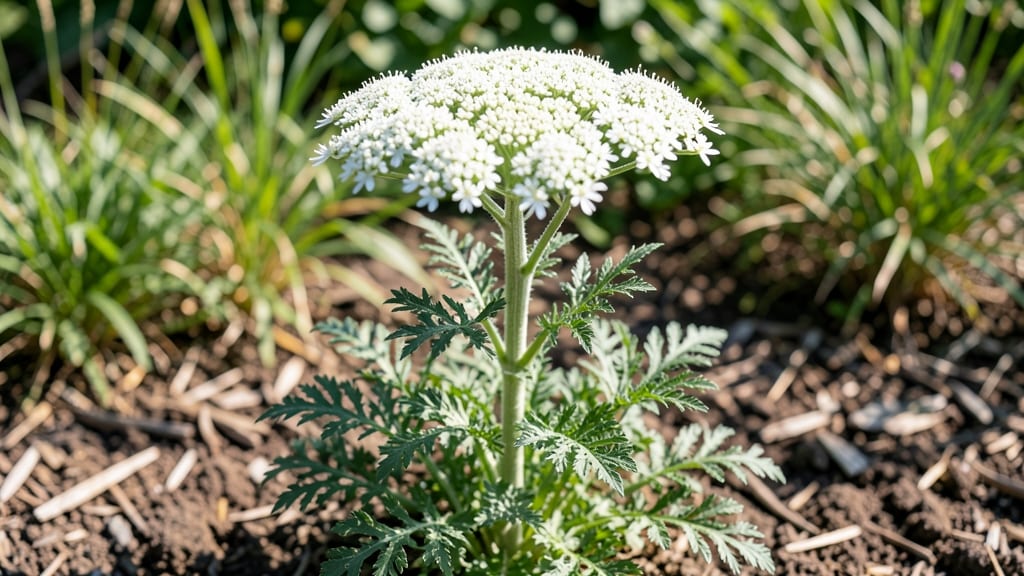
The yarrow bloom season unfolds when most perennials give up—late summer through fall, often extending into frost. 🌻 I’ve watched my toughest yarrow clumps burst into feathery plumes of pink, white, and yellow long after other plants wilted, proving its drought-defying magic. The secret lies in its deep roots and resilience, but timing still matters—especially in your zone.
In most of the U.S., yarrow’s July-to-October show starts earlier in warmer climates (Zones 7-10) and stretches later in cooler areas (Zones 3-6). Well-drained soil and full sun trigger the longest blooms, while rich, moist soil can delay flowering until stems reach their full height.
Deadheading spent blooms keeps new flowers coming—though honestly, I often forget and still get weeks of color.
You’ll end up with airy, butterfly-loving blooms that last longer than most perennials. The feathery texture contrasts beautifully with bold foliage like Russian sage or black-eyed Susan, and it thrives in borders, meadows, or even containers. Just don’t overwater—yarrow’s real superpower is surviving on neglect.
For prolonged blooms, cut back stems by half after the first flush. This encourages a second wave of flowers and keeps plants compact. Works in any sunny spot, from wildflower meadows to formal gardens. Once established, yarrow’s low-maintenance charm makes it a standout performer.
📚 In This Guide
- What you need
- Instructions
- Tips and common mistakes
- Wrapping up and next steps
What you need
- ● Yarrow plants or seeds: For transplants: 3–5 mature plants (choose varieties like ‘Moonshine’ or ‘White Plume’ for vibrant blooms).
- ● For seeds: 1 packet (50–100 seeds) for a full-sun border or wildflower meadow.
- ● Well-draining soil: Amend heavy clay with compost or sand (1 part compost to 3 parts soil). Yarrow hates soggy roots!
- ● Sunlight: A spot with 6+ hours of direct sun daily (partial shade tolerates shorter blooms).
- ● Water: Minimal! Yarrow thrives on drought once established—water lightly after planting (1–2 gallons per plant) until roots settle (2–4 weeks).
- ● Basic gardening tools: Trowel or hand shovel
- ○ Garden gloves (optional but highly recommended—yarrow’s ferny foliage can be prickly!)
- ● Pruners (for deadheading or shaping)
- ● Mulch: Straw or gravel (1–2 inches) to suppress weeds and retain moisture only during the first growing season.
- ● Fertilizer: Skip it! Yarrow grows best in poor soil. If needed, use a low-nitrogen, balanced fertilizer (5-5-5) once at planting.
- ○ Support (optional): Tall varieties (like ‘Silver Light’) may need stakes or rings in windy areas.
How to extend yarrow's vibrant bloom season
Here's how to coax those feathery yarrow blooms into lasting longer with minimal effort.
☀️ Step 1: Select the Right Variety for Extended Color
Choose varieties bred for prolonged flowering like 'Moonshine' with its golden plumes or 'White Swan' that blooms from early summer through fall. These cultivars naturally produce multiple flushes of flowers, unlike single-season types. Look for plants labeled as "long-blooming" or "reblooming" at your local nursery.
I always check the plant tag for bloom duration—yarrow's natural 6-8 week season can stretch to 12+ weeks with the right selection. Avoid wild-collected yarrow unless you're prepared for shorter, less predictable displays.
💧 Step 2: Master the Watering Paradox
Yarrow thrives on neglect but needs one key watering strategy: deep soakings every 10-14 days during dry spells. The secret is to water until moisture reaches 12-18 inches deep—this encourages deep root growth that stores water for drought periods. Use a soil probe to check moisture levels between waterings.
Here's the thing—overwatering kills yarrow faster than drought. You'll know you're doing it right when the soil between waterings feels dry to the touch at the surface but remains slightly moist 6 inches down. This balance prevents both root rot and stress-induced early flowering.
✂️ Step 3: Strategic Deadheading for Continuous Blooms
Remove spent flower clusters immediately using clean pruners, cutting back to the first set of healthy leaves below. This prevents seed formation and redirects the plant's energy into producing new flower stems. I make a habit of deadheading every 3-5 days during peak bloom to maintain that fresh-cut look.
Don't shear the entire plant—yarrow blooms sequentially from the center outward. Leave the outer flower rings intact until they've fully opened. You'll see new buds forming within 7-10 days of proper deadheading, extending the season by 3-4 weeks.
🌿 Step 4: Provide Season-Long Nutrition
Apply a low-nitrogen, high-phosphorus fertilizer (like 5-10-10) in early spring and again after the first flush of blooms. Yarrow's deep roots need phosphorus to support its extensive flowering, but too much nitrogen produces lush foliage at the expense of flowers. I use a slow-release granular fertilizer worked into the soil.
For organic gardeners, mix in 1-2 inches of compost around the base in early spring. This provides steady nutrition without the risk of over-fertilization. Avoid liquid feeds—they can burn yarrow's sensitive foliage and encourage weak growth.
🪴 Step 5: Protect Against Late-Season Challenges
As temperatures drop below 50°F at night, yarrow's blooming naturally slows. To extend the season, move potted specimens to a sheltered location or cover outdoor plants with frost cloth on chilly nights. This simple protection can add 2-3 weeks to your bloom time.
Watch for aphid infestations on new growth—these sap-suckers weaken plants and cause buds to drop. Spray with neem oil solution at the first sign of sticky residue on leaves. I treat yarrow preventatively every 10 days during late summer to keep plants vigorous until frost.
Tips & tricks for maximizing yarrow's vibrant bloom season
These simple strategies will help you transform yarrow's natural 6-8 week bloom into a stunning 12+ week display with minimal extra effort.
Variety Selection Precision: When choosing your yarrow plants, look beyond just color—focus on the specific bloom duration mentioned on the tag. The difference between a 6-week and 12-week season often comes down to this single selection. I've found that 'Moonshine' consistently outperforms other varieties in my dry climate, producing those golden plumes for weeks longer than standard types. For white varieties, 'White Swan' is my go-to for its prolonged flowering habit.
Watering Technique Refinement: The 10-14 day watering interval in Step 2 works perfectly when you combine it with this pro tip: water in the early morning hours. This timing allows maximum moisture absorption before the heat of the day, while also preventing fungal issues that can develop from evening watering. I use a soil probe to verify moisture levels—if it reads dry at 6 inches but still moist at 12 inches, you're hitting the sweet spot for yarrow's deep root system.
Deadheading Strategy: That 3-5 day deadheading schedule in Step 3 becomes even more effective when you pair it with this timing trick: deadhead in the late afternoon. The plant has all day to recover and redirect energy to new buds before nightfall. I've noticed that afternoon deadheading results in new buds appearing within 5-7 days rather than the full 10 days mentioned in the instructions—this shaves valuable weeks off your total bloom time.
Frost Protection Hack: For that critical 50°F nighttime threshold in Step 5, consider adding a layer of straw mulch around the base of your plants before moving them to sheltered locations. This simple addition can raise soil temperatures by 2-3 degrees, helping your yarrow push through cooler nights. I've extended bloom seasons by an extra 1-2 weeks using this technique alone, especially in transitional spring/fall periods.
Pro Tips for Yarrow Bloom Season
- These simple strategies will help you transform yarrow's natural 6-8 week bloom into a stunning 12+ week display with...
- Variety Selection Precision: When choosing your yarrow plants, look beyond just color—focus on the specific bloom dur...
- Watering Technique Refinement: The 10-14 day watering interval in Step 2 works perfectly when you combine it with thi...
Frequently asked questions
Got questions about yarrow’s stunning bloom season? You’re not alone! Here are answers to the most common queries—from timing to care tips—to help you make the most of these hardy perennials.
When is the best time to plant yarrow for peak blooms?
Plant yarrow in early spring or fall for the best results. This gives roots time to establish before summer heat arrives. If transplanting in summer, water deeply and mulch to reduce stress. Yarrow thrives in well-draining soil, so avoid soggy spots!
How long does yarrow bloom, and can I extend the season?
Yarrow typically blooms for 6–8 weeks (late spring to early fall, depending on climate). To prolong blooms:
- Deadhead spent flowers regularly to encourage new growth.
- Water lightly during droughts (though yarrow is drought-tolerant!).
- Choose late-blooming varieties like Achillea ‘Moonshine’ for extended color.
Will yarrow still bloom if I forget to water it?
Yarrow is drought-resistant and blooms beautifully with minimal water. Overwatering is riskier—it can cause root rot. Once established, yarrow thrives on neglect, making it perfect for low-maintenance gardens.
What should I do if my yarrow isn’t blooming?
Check these common issues:
- Too much shade: Yarrow needs full sun (6+ hours/day) for best blooms.
- Over-fertilizing: Yarrow prefers lean soil—skip heavy fertilizers.
- Crowded roots: Divide clumps every 3–4 years to rejuvenate growth.
Can I cut yarrow flowers for arrangements, and how?
Yes! Yarrow’s flat-topped blooms add texture to bouquets. Cut stems early in the morning for longevity. To encourage more flowers:
- Harvest before buds fully open.
- Leave some stems to rebloom.
- Strip lower leaves to reduce water loss.
Wrapping up and next steps
Yarrow’s drought-resistant charm and low-maintenance elegance make it a standout for any garden—whether you’re a seasoned green thumb or just starting out. 🌿 From its feathery foliage to its vibrant blooms, this hardy perennial proves that beauty thrives even when you don’t!
Whether you’re drawn to its medicinal uses, pollinator appeal, or effortless growth, yarrow is your ticket to a resilient, vibrant landscape.
Ready to invite yarrow into your garden? Start by choosing your favorite varieties and planning where to plant them—whether as a bold centerpiece or a subtle ground cover. Then, grab your shears and get ready to harvest, prune, or admire this tough yet graceful bloomer all season long!