
Blooming
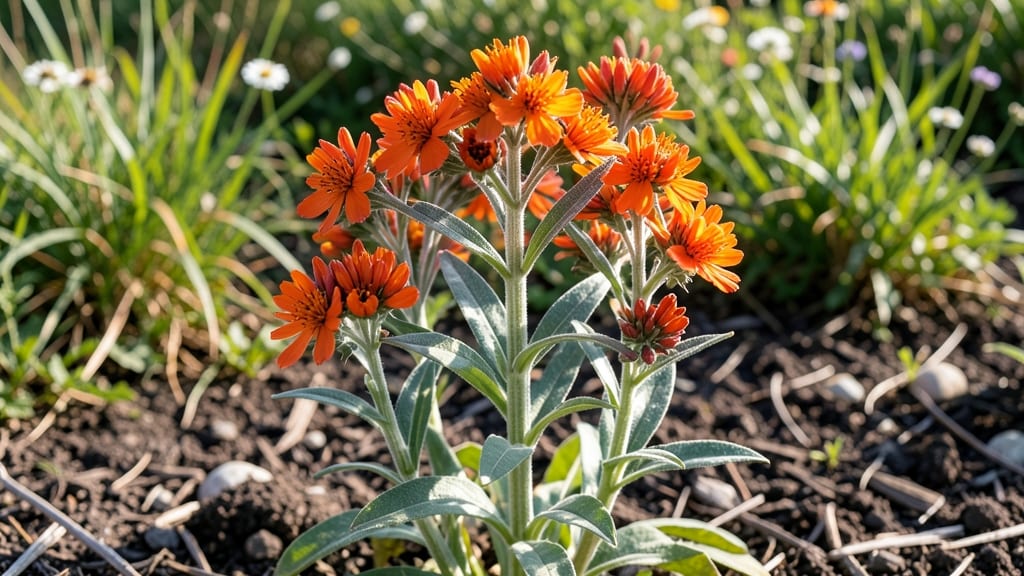
The butterfly weed bloom time is a showstopper in late summer, when fiery orange clusters 🦋 transform your garden into a monarch magnet—but only if you plant it right.
Imagine a garden bursting with fiery orange blooms that attract monarch butterflies by the dozens—this is the magic of butterfly weed, but timing is everything. Knowing exactly when to expect its vibrant display can turn your outdoor space into a living butterfly sanctuary.
In USDA Zone 6a, where I garden, butterfly weed typically blooms from June through August, though early plantings in April can coax flowers as soon as late May.
The key? Full sun and well-drained soil—skip the heavy hand with water, and you’ll reward yourself with weeks of effortless color.
Below, I’ll break down exactly when to expect blooms by zone, how to stretch that orange fireworks display, and the best companion plants to keep your garden buzzing all season long.
Butterfly weed bloom time by US hardiness zones: exact months to plan for
Butterfly weed (Asclepias tuberosa) is a monarch magnet with vibrant orange blooms that light up gardens from mid-summer to early fall. But when exactly should you expect those fiery flowers? The answer depends entirely on your USDA hardiness zone, with variations between northern and southern climates.
Understanding these patterns helps you plan for peak butterfly activity and maximize your garden's pollinator appeal.
In northern zones (3-5), butterfly weed typically blooms 4-6 weeks later than in southern regions due to cooler springs. Meanwhile, southern zones (8-10) often see earlier blooms with extended flowering periods thanks to milder winters.
The key is knowing your last frost date and local microclimates—these factors can shift bloom times by 2-4 weeks either way.
Here's the critical data you need to plan your butterfly weed planting schedule and set expectations for its stunning display:
| Zone | Early Bloom | Peak Bloom | Late Bloom | Notes |
|---|---|---|---|---|
| Zones 3-4 | Late June | Mid-July to early August | Early September | Shortest season; needs warm soil |
| Zones 5-6 | Early June | July to early August | Mid-September | Classic monarch season overlap |
| Zones 7-8 | Late May | June to July | Early October | Longest bloom period |
| Zones 9-10 | April to early May | May to June | July | Early blooms; may rebloom |
For gardeners in zones 3-5, timing is especially critical because butterfly weed needs warm soil temperatures (at least 60°F/15°C) to thrive. Planting too early can result in poor root establishment and delayed blooms.
I always wait until after my last frost date—usually mid-May in my Zone 5 garden—before transplanting seedlings to ensure success.
Southern gardeners in zones 9-10 have the advantage of earlier planting (as early as February in mild winters) and often see two bloom cycles per year. The first flush appears in late spring, followed by a second wave in fall if conditions remain favorable.
This makes butterfly weed a year-round pollinator powerhouse in warm climates.
Regional variations also matter. For example, Pacific Northwest gardens in Zone 7 often bloom 2-3 weeks later than similar zones in the Midwest due to cooler coastal climates. Meanwhile, Deep South gardens may experience blooms 3-4 weeks earlier than their zone-mates in the Southeast because of warmer microclimates.
Always observe your local first blooms to refine your expectations each year.
One pro tip I've learned is to plant butterfly weed in containers if you're in a transitional zone (like Zone 6b). This gives you the flexibility to move plants to warmer microclimates during cool springs, potentially advancing bloom time by 2-3 weeks.
I've seen dramatic differences in bloom timing by simply placing pots near south-facing walls or paved surfaces that absorb heat.
To maximize your butterfly weed's pollinator appeal, time your planting so blooms coincide with monarch migration periods. In northern zones, aim for July-August when monarchs are passing through.
In southern zones, the spring bloom aligns perfectly with overwintering butterflies emerging from pupation. This synchronization creates a butterfly buffet that keeps pollinators visiting all season.
Remember that established plants (3+ years old) typically bloom 2-3 weeks earlier than younger specimens. This is because mature roots can access deeper moisture and nutrients, giving them a head start in spring. If you're starting from seed, be patient—first-year plants may produce only small flower clusters,
How to extend butterfly weed bloom time: pro tips for longer orange fireworks
Butterfly weed (Asclepias tuberosa) typically bursts into vibrant orange blooms for 4-6 weeks during late spring to early summer, but with the right care, you can stretch that show into 8-10 weeks or more.
The key lies in understanding its natural growth patterns and giving it the conditions it thrives in. Unlike many perennials, butterfly weed responds beautifully to minimal intervention—just a few strategic tweaks can transform your garden into a monarch magnet for weeks on end.
First, let’s address the biggest misconception: butterfly weed doesn’t need constant watering or heavy feeding to perform. In fact, overwatering or over-fertilizing can actually shorten its bloom time by encouraging leafy growth over flowers.
Instead, focus on soil health, strategic pruning, and smart companion planting to coax your plants into producing longer, more abundant blooms without compromising their hardy nature.
🔥 5 Pro Tips to Extend Butterfly Weed Bloom Time
- Deadhead strategically – Remove spent blooms every 7-10 days to redirect energy to new flowers. Use clean pruners to avoid damaging stems.
- Adjust soil pH to 6.0-6.5 – Test your soil and amend with lime (to raise pH) or sulfur (to lower it) for optimal nutrient uptake.
- Water deeply but infrequently – Soak the root zone once every 10-14 days in dry spells to encourage deep root growth and drought resilience.
- Plant near milkweed companions – Pair with **swamp milkweed (Asclepias incarnata) or common milkweed (Asclepias syriaca) to attract more pollinators and extend the blooming season.
- Avoid heavy fertilizer – Use a low-nitrogen, balanced fertilizer (5-10-10)** only in early spring. Skip fertilizing during bloom to prevent leafy growth.
Let’s dive deeper into deadheading techniques, the most effective way to prolong blooms. Butterfly weed produces flowers on new growth, so snipping off faded blooms just above a set of healthy leaves encourages the plant to produce more buds.
I recommend doing this on a dry morning when the stems are firm—this minimizes stress on the plant and reduces the risk of disease. Pro tip: Wear gloves! The milky sap can irritate skin, and you’ll want to keep your hands clean for handling monarch caterpillars later.
Soil pH plays a critical but often overlooked role in bloom duration. Butterfly weed prefers slightly acidic to neutral soil (pH 6.0-6.5). If your soil is too alkaline (common in many Western regions), the plant may struggle to absorb essential nutrients like phosphorus, which is crucial for flower development.
Test your soil with a simple home kit and amend as needed. For alkaline soils, mix in composted pine needles or peat moss—both are budget-friendly and effective.
Watering might seem counterintuitive, but butterfly weed’s drought tolerance is a double-edged sword. While it thrives in dry conditions once established, consistent moisture during the first year helps roots develop deeply. Once mature, deep watering every 10-14 days (about 1 inch of water) is ideal.
Avoid shallow, frequent watering, which can lead to weak stems and fewer blooms. Mulch around the base with 2-3 inches of organic mulch (like shredded leaves or straw) to retain moisture and regulate soil temperature.
Finally, companion planting can work wonders for extending your butterfly weed’s show. Pair it with **native grasses like little bluestem (Schizachyrium scoparium) or coneflowers (Echinacea purpurea) to create a pollinator-friendly ecosystem.
These plants attract beneficial insects that help fertilize your butterfly weed naturally, while also providing sequential blooms that keep your garden lively from early summer through fall. Plus, the contrasting textures and colors make your garden visually stunning.
With these strategies, you’ll enjoy longer, more vibrant butterfly weed blooms and a thriving monarch habitat that lasts well beyond the typical 6-week window. The best part? These tips require minimal effort but yield maximum rewards**—both for your garden and the local ecosystem. Happy gardening! 🦋🌻