
Blooming
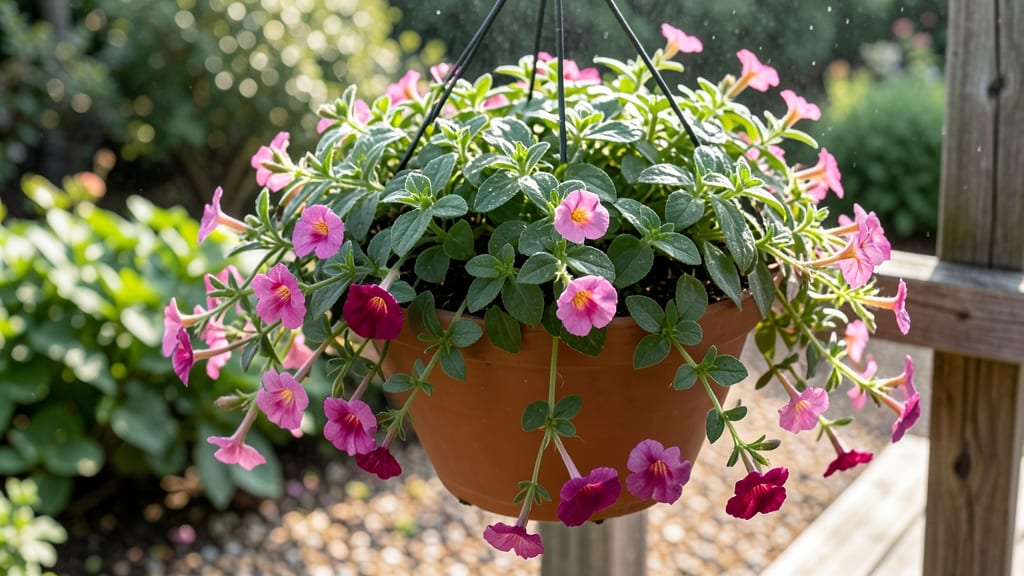
Calibrachoa blooms thrive in 60-90 days after planting, but the exact timing depends on your climate zone and care routine.
Picture this: you’ve just tucked your 🌸 calibrachoa into the garden after the last frost, and you’re eager for those vibrant bursts of color. But will they bloom in June or stretch into September?
The answer lies in your USDA zone, sunlight exposure, and a few simple tricks to keep them flowering longer.
In Zone 6a, where many gardeners start their calibrachoa after April 15, expect first blooms around mid-June if conditions are ideal. Warmer zones like Zone 10 can see flowers as early as May, while cooler areas might delay blooms until July.
The key? Deadheading spent blooms and feeding them just right to extend that showstopping display.
Here’s what you’ll discover: the zone-by-zone bloom chart that predicts your first and last flowers, proven care tips to add weeks to their flowering season, and the top varieties that outperform others in heat or humidity. Let’s make sure your calibrachoa doesn’t just bloom—it stays in bloom.
Calibrachoa bloom time by USDA climate Zones: first and last flower dates
If you've ever planted calibrachoa and wondered when those tiny petunia-like blooms will appear, your USDA climate zone holds the answer. These heat-loving annuals thrive in warm climates but show staggering bloom windows depending on where you garden.
In Zone 11, you might enjoy blooms year-round, while Zone 5 gardeners get a shorter summer display. Let's break down the exact first flower dates, peak bloom periods, and final fade timelines for each zone.
The key to predicting calibrachoa bloom time lies in understanding its temperature tolerance. These plants won't survive frost and struggle below 50°F (10°C). That's why Zone 5-6 gardeners must plant after last frost (typically May 15), while Zones 7-11 can plant earlier.
The chart below shows how these timing differences create 3-month variations in bloom windows across the country.
| USDA Zone | First Flowers After Planting | Peak Bloom Period | Final Fade Date | Key Consideration |
|---|---|---|---|---|
| Zone 5 | Late June (60-75 days after transplant) | July - Early August | Mid-September (frost risk) | Plant after May 15 for best results |
| Zone 6 | Early June (55-65 days after transplant) | June - Mid-August | Late September | Start seeds indoors in March |
| Zone 7 | Mid-May (45-55 days after transplant) | May - September | Early October | Can overwinter in containers with protection |
| Zone 8 | Late April (40-50 days after transplant) | April - October | Mid-November (frost) | Plant early to extend season |
| Zone 9 | March (35-45 days after transplant) | March - November | Late December (cool weather) | Can bloom year-round with care |
| Zone 10 | February (30-40 days after transplant) | February - December | January (cool season) | Heat tolerance up to 95°F (35°C) |
| Zone 11 |
How to extend calibrachoa bloom time with deadheading and careCalibrachoa, often called mini petunias, produces non-stop blooms when given the right care. The key to extended flowering lies in consistent deadheading and proper growing conditions. With the right techniques, you can push bloom time from 6-8 weeks to 10-14 weeks—or even longer in ideal climates. Many gardeners overlook light requirements and watering schedules, which directly impact how long your calibrachoa will flower. For example, underwatering causes buds to drop, while overwatering leads to root rot and fewer blooms. Let’s fix these common mistakes and optimize your calibrachoa’s performance. ⚠️ WARNING: These Mistakes Kill Bloom Time1. Skipping deadheading – Letting spent blooms linger forces the plant to produce seeds instead of new flowers. Remove faded blooms daily to trigger continuous blooming. 2. Inconsistent watering – Calibrachoa needs consistent moisture. Let the soil dry slightly between waterings, but never let it stay bone-dry for more than 24 hours. 3. Over-fertilizing with high nitrogen – Too much nitrogen promotes leafy growth at the expense of flowers. Use a balanced 10-10-10 fertilizer every 4-6 weeks instead. Start by deadheading every morning—this is the single most effective way to extend bloom time. Use clean, sharp bypass pruners or simply pinch off faded flowers with your fingers. Aim to remove 10-15 blooms per plant daily during peak season to encourage new flower production. Calibrachoa thrives in full sun (6+ hours daily), but afternoon shade in hot climates (Zones 8-11) prevents wilting. If your plants look stressed, move them to a partially shaded spot for a few hours during the hottest part of the day. This simple adjustment can add 2-3 weeks of blooming in extreme heat. Water your calibrachoa early in the morning to reduce evaporation and fungal risks. Aim for 1 cup per plant every 2-3 days, adjusting for heat—daily watering may be needed in summer months. Always water at the soil level to avoid wetting the foliage, which attracts pests and diseases. Feed your calibrachoa with a balanced liquid fertilizer (10-10-10) every 4-6 weeks during the growing season. Stop fertilizing in late summer to encourage hardier plants for fall blooming. Over-fertilizing in fall can lead to weak stems and fewer blooms before frost. With these adjustments, your calibrachoa will reward you with vibrant blooms for months. The secret is consistency—deadhead daily, water wisely, and feed appropriately. Soon, your garden will be a non-stop floral display! 🌸 |