
Blooming
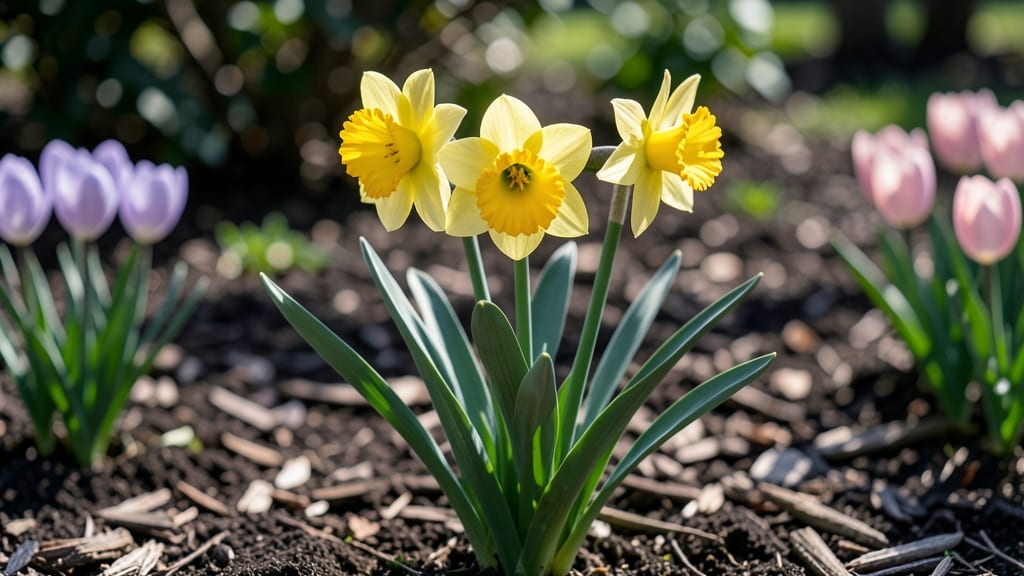
Daffodils bloom in early spring, typically between April and May in most regions, but the exact timing depends on your hardiness zone and variety.
Picture this: you're planning your garden's spring color palette, and you want those cheerful 🌼 daffodils to make their grand entrance just as the last frost passes. But here's the catch—your neighbor's daffodils might be blooming weeks earlier or later than yours, depending on where you live.
In Zone 6a, where many gardeners live, you can expect most varieties to burst into color around mid-April, but cooler springs or late-planted bulbs might delay things until early May.
Meanwhile, warmer climates like Zone 8 could see blooms as early as February, while colder Zones 3-5 might not hit peak bloom until late May.
Below, I’ll break down the exact months to expect daffodil blooms in your zone, plus pro tips to adjust timing—so you can plan your garden’s spring show with confidence.
Daffodil bloom time by USDA hardiness Zone (exact months)
If you’ve ever wondered why your neighbor’s daffodils bloom weeks before yours, the answer lies in your USDA hardiness zone. Daffodils are sensitive to chilling requirements and daylight exposure, which vary dramatically from Zone 3 to Zone 10.
In colder regions, they need 6-8 weeks of winter chill to trigger blooms, while warmer zones may see staggered or delayed flowering. Let’s break down the exact bloom windows for each zone so you can plan your garden’s spring spectacle.
Most daffodils bloom between late winter and early summer, but the timing shifts based on your zone. For example, gardeners in Zone 3 often see blooms as early as late April, while those in Zone 10 might enjoy them in January or February.
Even within a single zone, early-, mid-, and late-season varieties can extend your blooming window by 4-6 weeks. Choosing the right mix ensures your garden stays vibrant from February to May.
In Zones 3-4, where winters are harsh, daffodils like 'Ice Follies' thrive because they bloom early to take advantage of the short growing season. These dwarf varieties often flower in late April, just as snow melts, adding a splash of color to otherwise barren landscapes.
If you’re in Zone 5-6, expect blooms to start in early April with peak color in May. Varieties like 'Geranium' are popular here because they handle moderate chill and variable spring temperatures well.
Gardeners in Zones 7-8 have the advantage of earlier blooms, often as early as February. This is perfect for extending your winter interest, especially with early-season varieties like 'February Gold'.
In these zones, you can also plant fall-blooming daffodils like 'Minnow' to enjoy color in late summer. Meanwhile, Zones 9-10 offer the longest bloom windows, with some varieties like 'Paperwhite' flowering as early as January and continuing into April.
These zones benefit from milder winters, allowing for a more extended display.
Regional variations also play a role. For example, Southern California (Zone 10) might see 'Grand Soleil' blooming in January, while Northern New England (Zone 3) will wait until late April for the same variety to flower.
Even within a single zone, microclimates—like a sunny south-facing slope versus a shaded north side—can shift bloom times by 1-2 weeks. To maximize your garden’s potential, plant a mix of early, mid, and late-season varieties in different locations.
If you’re in a transition zone (like Zone 6b or Zone 7a), timing can be tricky. In these areas, a late frost might delay blooms by 2-3 weeks. To mitigate this, choose hardy varieties like 'Carlton' and plant them in sheltered spots where frost pockets are less likely.
You can also use mulch to insulate bulbs and encourage earlier blooming. For Zone 8-9, where winters are mild,
How to extend your daffodil bloom season naturally (tips for longer color)
Want to enjoy your daffodils for weeks instead of days? The secret lies in simple, natural adjustments that trick your bulbs into blooming earlier or lasting longer. Unlike chemical treatments, these organic methods work with your garden's natural rhythms while keeping your daffodils healthy and vibrant.
The best part? Most require minimal effort and zero special equipment.
Daffodils naturally follow a 6-8 week bloom cycle after foliage emerges, but with the right timing and care, you can stretch that window by 2-4 weeks.
Whether you're aiming for earlier spring color or extended summer displays, these proven strategies will give you the results without risking bulb health. Let's dive into the most effective, low-maintenance techniques ranked by impact.
Top 5 Ways to Extend Daffodil Bloom Time
- 1
- 2
- 3
- 4
- 5
For maximum impact, combine soil warming (Method 1) with strategic watering (Method 2). The black plastic mulch trick is especially powerful in Zone 5-7 gardens, where cooler soils naturally delay blooms.
Simply lay 1mm black plastic over planting areas in late winter (just before buds swell) and remove after blooming. This passive warming can shave 7-10 days off your bloom timeline.
If you're working with potted daffodils, prioritize sunlight adjustments (Method 3). A simple move from a north-facing windowsill to a south-facing patio can transform a late-April bloom into a mid-March display.
Just ensure pots have drainage holes—waterlogged roots will stall blooming entirely. For container gardens, use terracotta pots, which breathe better than plastic and prevent root rot.
Don't overlook the power of companion planting (Method 4) for established beds. Alliums (like chives) and crocuses create a microclimate that speeds up soil warming. Plus, their early spring blooms attract pollinators that boost daffodil vigor.
Pro tip: Plant alliums in a checkerboard pattern around your daffodils for even coverage. This low-effort strategy pays off with longer-lasting color and healthier bulbs.
For gardeners in warmer climates (Zones 8-10), focus on delaying blooms to avoid summer heat stress. Here, the key is shade cloth (30-50% coverage) during peak afternoon sun. This keeps soil cooler and extends the bloom window by 2-3 weeks.
Pair this with consistent morning watering to prevent buds from drying out in hot, dry conditions. Just remember: never water at night—this invites fungal diseases that can kill blooms before they open.
Finally, the deadheading hack (Method 5) is a game-changer for multi-year daffodil beds. Most gardeners make the mistake of cutting back all foliage after blooms fade, but leaving the leaves until they naturally yellow ensures your bulbs store enough energy for next year's longer bloom season.
This simple habit can increase your daffodil's lifespan by 2-3 years while keeping each bloom 10-15% larger and more vibrant. Try it this season—your future self (and your neighbors) will thank you!