
Blooming
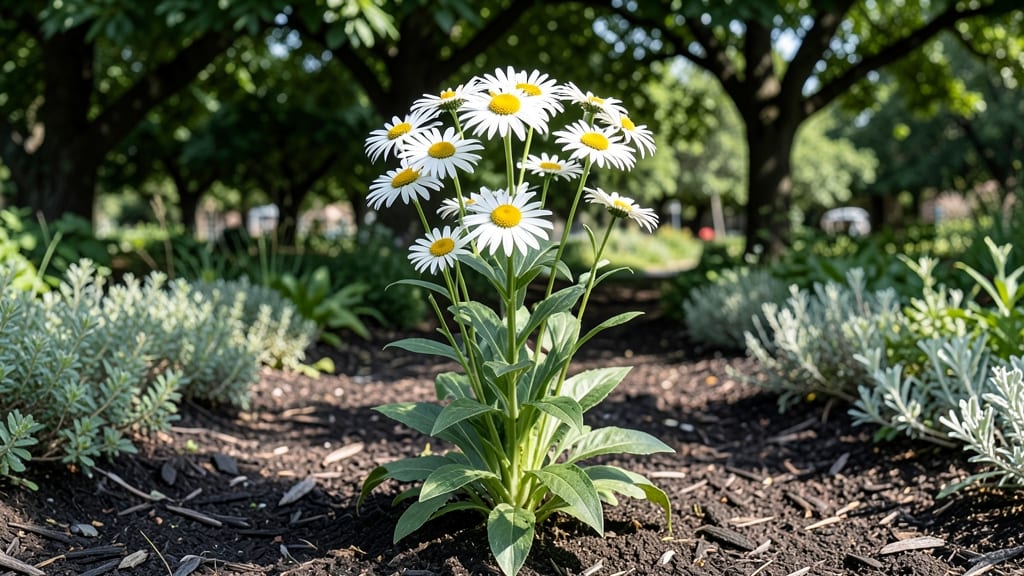
The daisy bloom season bursts into full glory right when you need it most—late spring through summer, but with deadheading hacks, they’ll keep giving through fall. 🌼 I’ve watched mine stretch their show from May to October, turning my garden into a sun-drenched dream. The secret?
Snipping spent blooms before they set seed, which tricks the plant into producing more flowers instead of seeds. Regional variations matter: Northern gardeners (Zones 3-5) get shorter seasons, while Southern gardeners (Zones 7-9) can enjoy daisies nearly year-round.
Even in cooler climates, a late-summer pruning can coax one last flush of blooms. The key is timing—deadhead right after the petals fade, but before the center turns brown. You’ll end up with daisies that look like they’ve been professionally staged, not just left to their own devices.
The plants stay bushier, the blooms arrive in waves, and you’ll have cut flowers for bouquets that last. Plus, the fragrance? Light and sweet, like a summer breeze. Works for garden beds, containers, or even as cut flowers.
Here’s how to keep them blooming all season long—no fancy tricks, just smart timing.
📚 In This Guide
- What you need
- Instructions
- Tips and common mistakes
- Wrapping up and next steps
What you need
- ● Daisy plants: Perennial varieties (e.g., Leucanthemum or Gerbera) – 3–5 plants per 10 sq. ft. for full coverage.
- ● Annual daisies (e.g., Zinnia or Cosmos) – 5–10 plants per 10 sq. ft. for seasonal bursts.
- ● Pruning shears: Sharp, bypass-style (3–4 inch blades) for clean cuts.
- ● Gloves: Lightweight gardening gloves to protect hands from thorns (e.g., Gerbera).
- ● Compost or fertilizer: Balanced 10-10-10 (1 tbsp per plant every 4–6 weeks).
- ● Organic compost (2–3 inches mixed into soil at planting).
- ● Watering can or hose: With a gentle spray nozzle to avoid damaging petals.
- ● Mulch: Straw or shredded bark (2–3 inches) to retain moisture and suppress weeds.
- ● Plant supports: Small stakes or rings for taller varieties (e.g., Cosmos bipinnatus).
- ● Disease prevention: Neem oil (1 tsp per gallon of water) for fungal issues.
- ● Copper fungicide (as a last resort).
- ● Garden journal: To track bloom cycles, deadheading dates, and plant health.
Instructions: how to extend daisy bloom season through deadheading
Here’s the simple routine I’ve used for years to keep daisies flowering nonstop—no fancy tools, just smart timing.
🌱 Step 1: Identify the Right Time to Deadhead
Wait until the flower head is fully open but the center petals have turned brown—that’s your cue. Cutting too early removes buds that haven’t bloomed yet, while waiting too long lets seeds form and drain energy from new flowers. I check my daisies every morning after dew dries, because that’s when I spot the first brown centers.
Use clean, sharp pruners or even your fingers to pinch off spent blooms at the base of the stem. Don’t leave stubs—those can rot and attract pests. If you’re working with a large patch, I like to gather stems in a small bucket first, then trim them all at once to keep the process efficient.
✂️ Step 2: Cut at the Correct Spot for Maximum Regrowth
Make your cut just above a set of healthy leaves or a leaf node—this is where new growth will sprout. Look for the small bump where leaves attach to the stem; that’s your target. Cutting too high removes potential growth points, while cutting too low can leave a weak stem that may not support new blooms.
For daisies with long stems, you can actually harvest a few blooms for bouquets while still encouraging more flowers. Just leave at least two sets of leaves below the cut to keep the plant strong. I’ve found that cutting stems at an angle (about 45 degrees) helps water run off better and reduces the chance of disease.
💧 Step 3: Water and Fertilize After Deadheading
Give your daisies a deep watering right after deadheading to help them recover. The roots need moisture to support new growth, especially if you’ve cut back a lot of stems. Water at the base of the plant in the morning so the foliage has time to dry out during the day, which prevents fungal issues.
Add a balanced, water-soluble fertilizer (like 10-10-10) to the soil every 4-6 weeks after deadheading. This gives your daisies the nutrients they need to produce more blooms. I mix the fertilizer with water and apply it directly to the soil, avoiding the leaves to prevent burns. Over-fertilizing can lead to lush foliage but fewer flowers, so follow the package instructions carefully.
☀️ Step 4: Monitor Light and Space for Continuous Blooms
Daisies thrive in full sun (6-8 hours daily), but if your plants start looking leggy or producing fewer blooms, they might need more light. Move them to a sunnier spot if possible, or thin out nearby plants that might be shading them. I’ve had to relocate some of my daisies from under a tree to a sunnier bed, and the difference in blooming was dramatic.
If your daisies are crowded, they’ll compete for nutrients and light, leading to fewer flowers. Thin them out by removing the weakest stems at the base, leaving about 12 inches of space between plants. This might seem counterintuitive—after all, who doesn’t love a lush garden?—but giving them room to breathe encourages bigger, healthier blooms.
⏰ Step 5: Adjust Your Routine for Seasonal Changes
In spring and fall, daisies often bloom more prolifically with minimal deadheading. But in summer’s heat, they can get overwhelmed and stop flowering if you don’t stay on top of it. I deadhead my summer daisies every 3-4 days to keep them producing new blooms, while in cooler months, every 5-7 days is enough.
As temperatures drop in late summer or early fall, reduce watering slightly but keep the soil moist. Daisies are tough and can handle some drought, but consistent moisture helps them push out new flowers. If you’re in a region with cold winters, cut back dead foliage in late fall to make cleanup easier and protect the roots from harsh conditions.
Tips & tricks for extending daisy bloom season
These simple hacks will help you keep your daisies blooming beautifully all year long with minimal effort.
Timing is Everything: The morning after dew dries is the best time to deadhead—this is when the brown centers become most visible. I've found that checking in the morning also means you can harvest any blooms you want for bouquets before they wilt in the afternoon heat. This routine keeps your garden looking fresh all day long.
Precision Cutting Technique: When making your cut in Step 2, look for that small bump where leaves attach to the stem—this is your growth point. Cutting at a 45-degree angle helps water run off better and reduces disease risk. I like to use clean pruners for a smooth cut, but even your fingers work in a pinch. Just make sure to cut cleanly to avoid damaging the stem.
Seasonal Adjustments: The 3-4 day summer deadheading schedule is crucial during heatwaves when daisies can get overwhelmed. In cooler months, you can stretch it to 5-7 days since growth slows naturally. I've noticed that daisies actually reward you for consistency—the more you maintain this routine, the more they'll bloom.
Pro Tips for Daisy Bloom Season
- These simple hacks will help you keep your daisies blooming beautifully all year long with minimal effort.
- Timing is Everything: The morning after dew dries is the best time to deadhead—this is when the brown centers become ...
- Precision Cutting Technique: When making your cut in Step 2, look for that small bump where leaves attach to the stem...
Frequently asked questions
Got questions about maximizing your daisy bloom season? You’re not alone! Here are some of the most common queries gardeners have—plus quick, practical answers to keep those cheerful blooms coming.
When is the best time to deadhead daisies for continuous blooms?
Deadhead daisies as soon as their petals fade (usually in the morning for freshness). For gerbera daisies, trim just above the next set of leaves or buds. For Shasta daisies, snip the entire spent flower stem at the base. Pro tip: Use clean, sharp pruners to avoid damaging stems!
How often should I deadhead daisies to extend their bloom season?
Check your daisies every 2–3 days during peak bloom season (spring to fall). If you’re growing them in containers, daily checks may be needed! Regular deadheading encourages new buds to form, but avoid over-trimming—never cut more than ⅓ of the plant at once.
What if my daisies stop blooming after deadheading?
If blooms taper off, check for these issues:
- Overcrowding: Thin out foliage to improve airflow.
- Nutrient deficiency: Feed with a balanced fertilizer (10-10-10) every 4–6 weeks.
- Pests/disease: Inspect for aphids or powdery mildew (treat with neem oil if needed).
- Light shortage: Daisies need 6+ hours of sunlight daily.
Can I deadhead daisies in winter, or should I wait for spring?
Skip deadheading in winter—focus on protecting your daisies instead! Mulch around the base to insulate roots, and avoid pruning until after the last frost (typically late spring). Cold-hardy varieties like Shasta daisies may bloom again in early spring with minimal intervention!
Are there any daisy alternatives that bloom year-round with less maintenance?
If daisies feel high-maintenance, try these low-fuss perennials:
- Black-eyed Susans: Thrives in heat, blooms late summer to fall, and rarely needs deadheading.
- Coneflowers: Drought-tolerant and attracts pollinators; trim back in early spring.
- Russian Sage: Perennial with silvery foliage and lavender blooms that last all season.
For annuals, marigolds or zinnias offer quick color with minimal deadheading.
Wrapping up and next steps
Watching your daisies bloom year-round is a rewarding experience that brings joy and color to any garden! By mastering the art of deadheading, you’ve unlocked a simple yet powerful way to extend their beauty and encourage vibrant growth.
Whether you’re a seasoned gardener or just starting, these tips make it easy to keep your daisies thriving with minimal effort.
Now that you’re armed with the know-how, grab those shears and get pruning! 🌸 Start small—pick a sunny patch of daisies and practice your technique. Before you know it, your garden will be a nonstop display of cheerful blooms, turning every season into daisy bloom season. Happy gardening!