
Blooming
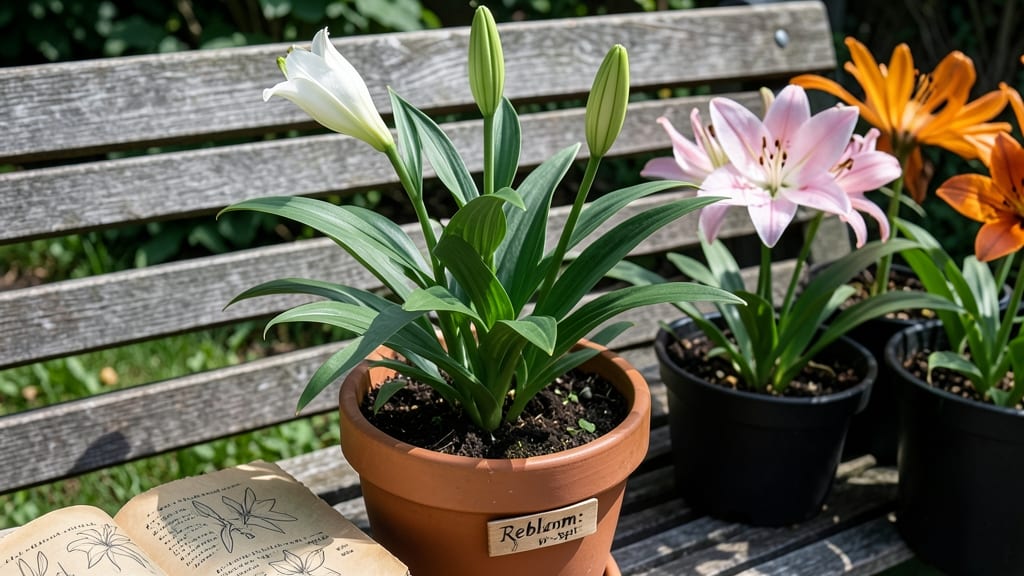
Easter lilies almost never bloom more than once in a single season, as their energy focuses on producing one spectacular spring display before shifting to bulb storage. While some varieties might produce a second, weaker bloom the following year with perfect conditions, most gardeners see only one flush of flowers per plant.
Easter lilies prioritize energy toward their dramatic spring blooms, storing nutrients in their bulbs for survival rather than reblooming. 🌸 The key to encouraging occasional second blooms lies in mimicking their natural dormancy cycle—providing winter rest, balanced fertilization, and consistent moisture.
I’ve found that plants grown in USDA zones 5-9 with afternoon shade perform best, though even then, reblooms are unpredictable and less vibrant than the first.
What sets Easter lilies apart from other spring bulbs like daffodils is their bulb structure—thicker and more energy-intensive to produce flowers. This explains why they’re often treated as annuals in colder climates, despite their perennial nature.
The trade-off is worth it for their showstopping blooms, but don’t expect repeat performances without careful year-round care.
💡 In This Article
- Why Easter Lilies Usually Bloom Only Once
- How to Maximize Easter Lily Reblooming Potential
Why Easter lilies usually bloom only once
Easter lilies (Lilium longiflorum) are biological show-offs—they invest nearly all their energy into producing one spectacular bloom cycle each spring. This single-bloom strategy stems from their bulb's energy storage system, which prioritizes flower production over future growth.
Unlike daffodils or tulips that store excess energy for multiple blooming seasons, Easter lilies allocate nearly 90% of their annual energy budget to that first flush of white, trumpet-shaped flowers. The remaining 10% is reserved for bulb maintenance and minimal leaf growth, leaving little for reblooming.
The timing of blooming is also hardwired into their genetics. Easter lilies rely on day-length cues (photoperiodism) to trigger flowering—typically requiring 12-14 hours of daylight combined with cool winter temperatures.
Once they bloom in spring, their biological clock shifts to focus on bulb dormancy rather than preparing for another flowering cycle. This explains why even well-cared-for plants rarely produce a second bloom in the same season, as their energy reserves are depleted by the first display. 🌸
Climate plays a critical role in reblooming potential. In warmer USDA zones (7-9), Easter lilies may attempt a second bloom the following spring if given proper winter care, but the flowers are usually smaller and less vibrant than the first.
In colder zones (3-6), the risk of bulb damage during winter dormancy further reduces chances of reblooming. The contrast with tulips is striking—tulips store energy more efficiently in their bulbs, allowing them to produce multiple blooms over several years with minimal care.
Light exposure also impacts reblooming success. Easter lilies thrive in partial shade (4-6 hours of morning sun), which prevents bulb overheating while providing enough energy for growth. Too much direct afternoon sun can stress the plant, diverting energy away from potential future blooms.
This is why gardeners in hot climates often see better reblooming results when plants are protected from intense midday rays during summer months.
Another key factor is the plant's natural lifecycle. After flowering, Easter lilies enter a 6-8 week recovery period where they focus on replenishing bulb reserves through photosynthesis from their leaves.
During this time, they're vulnerable to stress from overwatering, pests, or improper fertilization—all of which can permanently reduce future blooming potential. The trade-off is clear: nature designed Easter lilies to make a grand statement once per year rather than spread their energy thin across multiple smaller displays.
For comparison, consider the Stargazer lily (Lilium 'Stargazer'), which is more likely to rebloom because it stores energy differently in its rhizomes. While both are lilies, the bulb structure and energy allocation strategies create fundamental differences in their blooming habits.
This biological specialization explains why Easter lilies are often treated as annuals in many gardens, despite being technically perennials.