
Blooming
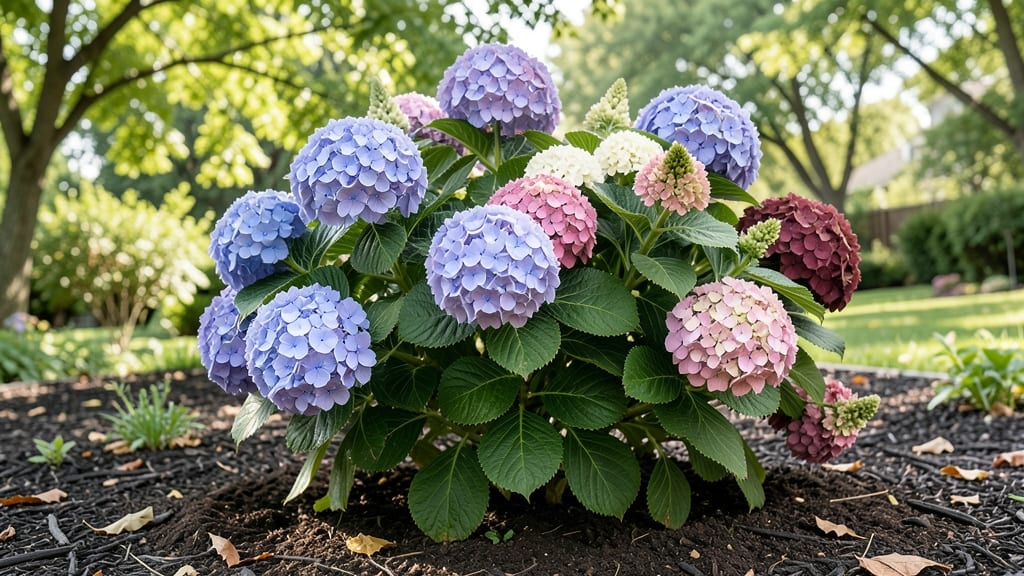
Hydrangeas bloom in Florida from late spring through early fall, with most varieties flowering between May and August. Oakleaf hydrangeas often extend blooms into September, while Panicle types may last until October. Southern Florida zones (8-10) typically see earlier blooms starting in May, while northern zones (7) may delay until June.
Florida's warm climate creates ideal conditions for hydrangeas, but the timing varies dramatically between varieties and regions. 🌸 The heat and humidity can actually encourage longer blooming seasons, especially for heat-tolerant types like Panicle hydrangeas, which often produce multiple flushes of flowers throughout summer.
In contrast, Bigleaf varieties may struggle in extreme heat unless given afternoon shade, which can delay their peak bloom until late June or even July in inland areas.
What many gardeners don't realize is that Florida's coastal regions often see blooms start 2-3 weeks earlier than inland areas due to the moderating ocean breezes.
The Gulf Coast's slightly cooler nights can actually help maintain bloom quality longer, while inland zones may experience more heat stress that shortens the flowering window.
This regional variation means your exact bloom timing depends on both your specific hydrangea variety and whether you're planting near the coast or further inland.
💡 In This Article
- Florida Hydrangea Bloom Timing by Variety and Climate Zone
- Extending Hydrangea Blooms in Florida’s Hot Climate
Florida hydrangea bloom timing by variety and climate zone
Florida's hydrangea bloom windows vary dramatically by type and location. The Bigleaf variety (Hydrangea macrophylla) typically blooms from June to August in southern zones (8-10), but may delay until late June or July in northern zones (7) due to slower spring warming.
This species is particularly sensitive to afternoon sun, which can cause leaf scorch and shorten bloom duration by up to 2 weeks in inland areas where temperatures exceed 90°F.
Oakleaf hydrangeas (Hydrangea quercifolia) stand out with their extended season, often blooming from May through September—a full 4-5 months in coastal regions. Their heat tolerance comes from thick, leathery leaves that conserve moisture, but they still prefer partial shade in zones 9-10 where summer temperatures frequently hit 95°F+. The blooms start as cone-shaped clusters that open into delicate, papery flowers, with the best displays occurring when planted near water features where humidity remains high.
Panicle hydrangeas (Hydrangea paniculata) are Florida's most heat-resistant variety, with blooms lasting from June through October in southern zones. Their conical flower heads continue to develop even after initial blooming, creating a second flush of flowers in late summer—a phenomenon called "reblooming." In zone 7, expect blooms to start around mid-June and persist until September. The variety 'Limelight' is particularly reliable, with flowers that transition from lime green to deep pink as they mature.
Smooth hydrangeas (Hydrangea arborescens) bloom slightly earlier than Bigleaf types, typically from May to July, but their blooms are more sensitive to Florida's intense summer heat. In inland areas of zone 8, you might see blooms fade by early August if not given afternoon shade. The variety 'Annabelle' produces large white flower heads that can reach 6-8 inches in diameter, but they require consistent moisture to maintain their crisp appearance during Florida's dry spells.
The coastal-inland difference is striking: Miami gardeners often see Bigleaf hydrangeas bloom 2-3 weeks earlier than those in Orlando due to the ocean's moderating effect. Coastal areas also experience higher humidity (75-85%) during summer, which helps prevent bud drop—a common issue when humidity falls below 60% in inland heat waves.
For gardeners in zone 9-10, this means planning for morning watering (6-8 AM) to maximize bloom duration.
What's fascinating is how Florida's microclimates create these variations. Just 20 miles inland from the coast, temperatures can be 5-8°F warmer by afternoon, which stresses heat-sensitive varieties.
This is why many Florida nurseries recommend specific varieties for different regions—Oakleaf and Panicle for inland areas, while Bigleaf thrives better near coastal breezes where afternoon temperatures stay below 92°F.