
Blooming
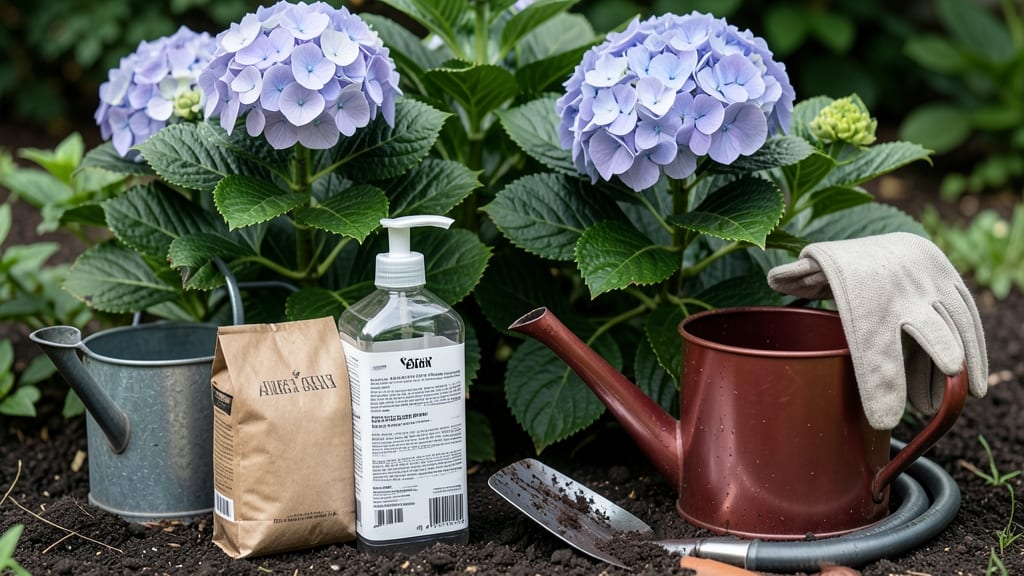
To make hydrangeas bloom faster, the secret lies in two simple moves: pruning at the right time and feeding them what they crave. 🌸 I’ve watched my own hydrangeas go from sparse blooms to lush, vibrant clusters in just 4-6 weeks by timing cuts after flowering and adding the right nutrients.
The magic happens in late winter or early spring—after the flowers fade but before new growth starts. Cut back old wood to encourage fresh, flower-filled stems, and feed them a balanced fertilizer with extra phosphorus (the bloom booster).
Most gardeners overlook this timing, which is why their hydrangeas take forever to flower. You’ll see buds forming in 2-3 weeks if the soil stays moist and the sun hits them for at least 4-6 hours daily.
The key is consistency: prune once, feed twice (spring and summer), and watch those blooms explode. This works for bigleaf, panicle, and oakleaf varieties—just adjust pruning based on their type. Let’s get those stems blooming like never before!
📚 In This Guide
- What you need
- Instructions
- Tips and common mistakes
- Wrapping up and next steps
What you need
- ● Pruning shears or sharp bypass pruners – Clean, sharp blades (sterilized with rubbing alcohol) to avoid disease spread.
- ○ Garden gloves – Heavy-duty, cut-resistant gloves (optional but recommended for thorny stems).
- ● Balanced, water-soluble fertilizer – Look for a 10-10-10 or 20-20-20 NPK ratio (e.g., Miracle-Gro All-Purpose). 1-2 tbsp per gallon of water is ideal.
- ○ Slow-release granular fertilizer – Optional but helpful: 10-10-10 or 12-12-12 (e.g., Osmocote). Apply ½ cup per plant around the base.
- ● Aluminum sulfate or chelated iron – For blue blooms: 1 tbsp aluminum sulfate per gallon of water. For pink/red: 1 tbsp chelated iron per gallon.
- ● pH test kit – Digital or liquid test kit to check soil pH (target 5.5–6.0 for blue, 6.0–7.0 for pink).
- ○ Mulch (optional but recommended) – 2–3 inches of organic mulch (e.g., shredded bark or pine needles) to retain moisture and regulate temperature.
- ● Watering can or hose with a gentle spray nozzle – For deep watering (1–1.5 inches per week).
- ● Garden trowel or fork – For loosening soil around roots (if amending soil).
- ● 🔥 Sterilize tools between plants to prevent fungal/bacterial spread.
- ● 🌡️ Morning feeding is best—fertilizer burns are less likely when plants are hydrated.
- ● ✨ Deadhead spent blooms regularly to redirect energy to new flowers.
Step-by-Step instructions for pruning and feeding hydrangeas
Here’s how to coax vibrant blooms in just weeks—not years—with simple pruning and feeding.
🌿 Step 1: Identify Your Hydrangea Type and Prune Correctly
Hydrangeas bloom on either old wood (last year’s growth) or new wood (current year’s growth), so pruning wrong can mean no flowers. Bigleaf hydrangeas (like Endless Summer) bloom on new wood—cut back 1/3 of the oldest stems in early spring. Oakleaf and panicle hydrangeas bloom on old wood—prune only after flowering, removing dead stems.
Use sharp pruners to cut just above a leaf node (where new growth emerges). Avoid shearing—it encourages leafy growth over blooms. If your hydrangea hasn’t bloomed yet, it’s likely a new-wood type, so prune lightly now to shape and encourage flowers.
✂️ Step 2: Feed with High-Phosphorus Fertilizer for Blooms
Phosphorus is the key nutrient for flowers, so choose a balanced 10-10-10 or 5-10-5 fertilizer (the middle number is phosphorus). Apply it right after pruning when new growth starts. Sprinkle 1/2 cup per plant around the base, then water deeply to help roots absorb it.
For instant results, use a bloom booster fertilizer with micronutrients like magnesium and iron. These help hydrangeas develop vibrant petals faster. Avoid high-nitrogen fertilizers—they’ll make leaves lush but delay or reduce flowers.
💧 Step 3: Water Deeply and Mulch to Reduce Stress
Hydrangeas need consistent moisture—deep watering twice weekly (more in extreme heat) encourages root growth and bloom production. Water at the base, not overhead, to prevent fungal issues. You’ll know it’s right when the top 2 inches of soil stay damp but not soggy.
Spread 2-3 inches of mulch around the plant (leave space at the stem to prevent rot). Mulch keeps roots cool and retains moisture, which helps hydrangeas push out more blooms. Replenish mulch every few months to maintain protection.
☀️ Step 4: Adjust Light and Soil for Faster Blooms
Hydrangeas thrive in morning sun and afternoon shade—too much direct sun can stress them, while too little slows growth. If your plant is in full sun, watch for wilting leaves; move it to a spot with 4-6 hours of sunlight daily. You’ll see stronger stems and more blooms within weeks.
Test your soil’s pH—hydrangeas love acidic soil (pH 5.5-6.2) for vibrant blooms. If your soil is alkaline, add sulfur or peat moss to lower pH. Blue flowers? Your soil is acidic. Pink? It’s neutral. Adjust gradually—hydrangeas react to pH changes within 4-6 weeks.
⏰ Step 5: Monitor and Repeat for Continuous Blooms
Check your hydrangea weekly for signs of stress—yellow leaves mean overwatering, while crispy edges signal underwatering. If blooms appear small or sparse, repeat the feeding step with another phosphorus-rich application in 6-8 weeks.
For year-round color, prune lightly after the first flush of blooms to encourage a second round. Deadhead spent flowers (but leave some on old-wood types to support next year’s blooms). With consistent care, you’ll see fuller, brighter blooms in just 6-8 weeks**—not seasons.
Tips & tricks for perfect hydrangea blooms
A few simple tricks will help you get those show-stopping blooms in record time—no gardening degree required.
Pruning Precision: When you're cutting back those one-third of the oldest stems in Step 1, look for stems that are thicker than a pencil—they're the ones that have already bloomed last season. These are your targets for new-wood types like Bigleaf. For old-wood types, only cut stems that are completely dead or have no buds. I learned this the hard way after accidentally pruning off next year's blooms on my oakleaf hydrangea!
Fertilizer Timing: The key to those vibrant blooms lies in the phosphorus timing from Step 2. Apply your fertilizer right after pruning when you see fresh green growth starting to emerge—this is when the plant is ready to use those nutrients for flower production. If you wait too long, the fertilizer may just make more leaves instead of blooms. And remember: that ½ cup per plant is just right—don't double it thinking it'll give you double the flowers!
Watering Wisdom: For that consistent moisture in Step 3, I've found a simple trick that works better than just eyeballing it. Use a rain gauge or even a tuna can buried near your plant to measure exactly 1 inch of water per week. This ensures you're not underwatering (which causes crispy edges) or overwatering (which leads to yellow leaves). Mulch helps maintain this moisture level, but check that 2-inch soil depth regularly—especially during heatwaves.
Light and Soil Shortcuts: If you're struggling with your hydrangea's location, try this quick test: place your hand near the plant for 10 minutes. If it feels warm but not scorching, you're probably in that ideal morning sun/afternoon shade situation. For soil pH, grab a cheap test kit from your garden center—it's the only reliable way to know if you need to add sulfur or peat moss. I've seen dramatic color changes within just 4-6 weeks after adjusting pH!
Pro Tips for Make Hydrangeas Bloom Faster
- A few simple tricks will help you get those show-stopping blooms in record time—no gardening degree required.
- Pruning Precision: When you're cutting back those one-third of the oldest stems in Step 1, look for stems that are th...
- Fertilizer Timing: The key to those vibrant blooms lies in the phosphorus timing from Step 2. Apply your fertilizer r...
Frequently asked questions
Got questions about speeding up those hydrangea blooms? You’re not alone! Here are some of the most common concerns—and quick, actionable answers to get your plants flowering faster.
Can I make hydrangeas bloom faster in just a few weeks?
While you can’t force a full season’s growth in weeks, you can trigger faster blooming with the right tricks. Prune in early spring (for mophead and bigleaf types) or right after flowering (for panicle hydrangeas), feed with high-phosphorus fertilizer, and ensure consistent moisture. With ideal care, you might see blooms 2-4 weeks sooner than average!
What’s the best time of year to prune hydrangeas for faster blooms?
Timing is everything! For mophead and bigleaf hydrangeas, prune in late winter or early spring (before new growth starts) to encourage bold summer blooms. Panicle and oakleaf types bloom on new wood, so prune them in late winter or early spring too—but you can also trim lightly after flowering for a second flush. Avoid pruning in fall!
Why aren’t my hydrangeas blooming, even after pruning and feeding?
If your hydrangeas are still stubborn, check these culprits:
- Wrong pruning time: Late pruning (after buds form) can remove next year’s flowers.
- Insufficient sunlight: Most hydrangeas need 6+ hours of sun daily.
- Overwatering or poor drainage: Soggy roots = stress = fewer blooms.
- Old wood vs. new wood confusion: Mophead types bloom on old wood; prune too late, and you’re out of luck!
Can I use coffee grounds or eggshells to speed up blooming?
Yes! Both are natural, budget-friendly ways to boost blooms:
- Coffee grounds: Add to soil for acidity (ideal for blue hydrangeas) and nutrients like nitrogen. Use sparingly—too much can harm roots.
- Eggshells: Crush and mix into soil for calcium, which supports cell growth. Soak in water for a nutrient-rich “tea” to water plants.
Do hydrangeas need special care in hot or cold climates?
In hot climates, mulch heavily to retain moisture and provide afternoon shade. In cold zones, protect young plants with burlap wraps or mulch before winter. Bigleaf hydrangeas are less cold-hardy (Zones 5-9); panicle types (like ‘Limelight’) thrive in Zones 3-9. Adjust watering—drought stress = fewer blooms!
Wrapping up and next steps
With the right care, your hydrangeas can burst into vibrant blooms faster than you think! 🌸 The key lies in pruning at the right time, feeding with balanced nutrients, and creating ideal growing conditions.
Whether you’re a seasoned gardener or just starting, these steps will give your plants the boost they need to shine.
Now that you’re armed with tips, grab your shears and get ready to transform your garden. Watch those blooms open up in no time! 🌿