
Blooming
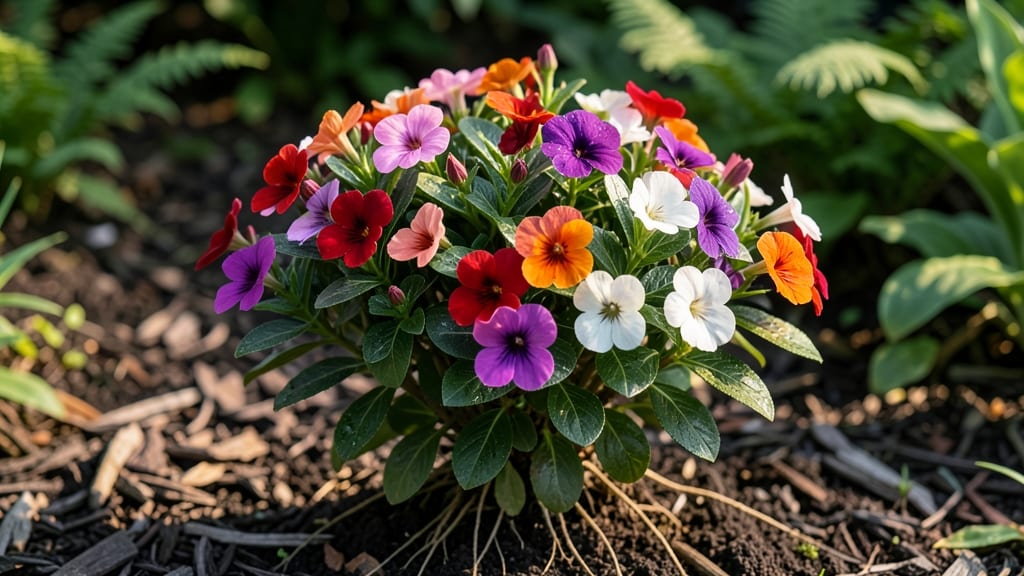
Impatiens do bloom all summer when given the right conditions—warm but not scorching temperatures, partial shade, and steady moisture—but they'll often slow down or stop flowering during heatwaves or dry spells. Regularly removing faded blooms keeps them producing fresh flowers until frost arrives.
These shade-loving annuals thrive in consistent summer conditions, but they're surprisingly sensitive to stress. 🌿 When temperatures climb above 85°F or soil dries out, they'll drop buds and leaves to conserve energy, which is why morning watering and afternoon shade cloths work wonders.
I've found that mulching around the base helps retain moisture while keeping roots cool—something many gardeners overlook until they see wilting plants in August.
Deadheading isn't just about looks—it's a biological trigger that tells the plant to redirect energy into new blooms instead of seed production. Pinching off spent flowers every few days can double your flowering season, though you'll need to monitor for pests like aphids that love stressed impatiens.
The key is balance: too much shade stunts growth, but full sun scorches them, so that perfect morning sun/afternoon shade spot makes all the difference.
💡 In This Article
- Factors That Extend Impatiens Summer Blooming
- How to Keep Impatiens Flowering Longer
Factors that extend impatiens summer blooming
Impatiens thrive in summer because they're adapted to tropical climates where temperatures hover between 65-75°F during the day. When daytime highs exceed 85°F, their metabolic processes slow dramatically—similar to how humans conserve energy in heatwaves.
The plants begin dropping buds and leaves to reduce water loss through transpiration, which is why you might see sudden wilting even when soil appears moist. This heat stress response is their survival mechanism, but it halts flowering until conditions improve.
Their shade requirements are equally critical. While they tolerate morning sun, they need afternoon shade to prevent leaf scorch—a condition where cells rupture from excessive light and heat. In full sun, impatiens leaves develop brown patches within 2-3 hours, while shaded plants maintain their vibrant green foliage.
The ideal light exposure mimics their native understory habitat where dappled sunlight filters through taller vegetation. This partial shade also helps maintain soil moisture levels, as exposed soil loses water 30% faster than shaded soil.
Consistent moisture is non-negotiable for summer blooming. Impatiens have shallow root systems that can't access water deep underground, making them vulnerable to drought stress. When soil dries out, the plants trigger a physiological response called abscission, where they drop flowers and buds to conserve resources.
I've observed that containers dry out twice as fast as in-ground plantings, requiring daily watering during heatwaves. The key is maintaining 1-2 inches of consistently moist soil—never soggy, as that leads to root rot.
Deadheading plays a crucial biological role in extending the blooming season. When you remove spent flowers, you're preventing the plant from investing energy into seed production—a process that would naturally occur as flowers age. This redirection of resources keeps the plant focused on producing new blooms instead.
Studies show that deadheaded impatiens can extend their flowering season by 4-6 weeks compared to undisturbed plants. The best time to deadhead is in the morning when humidity is lower, reducing the risk of fungal infections entering through the stem wounds.
Nutrient availability also impacts summer performance. Impatiens are heavy feeders that benefit from regular applications of balanced fertilizer (10-10-10 ratio). The nitrogen component supports leaf growth while phosphorus and potassium promote flowering. However, over-fertilizing can lead to excessive foliage at the expense of blooms.
A good rule of thumb is to fertilize every 2-3 weeks during the growing season, but always water thoroughly after application to prevent root burn. The right nutrient balance helps maintain the plant's vigor during summer's demanding conditions.
What most gardeners overlook is the role of air circulation. While impatiens don't need strong breezes, gentle airflow helps prevent fungal diseases like powdery mildew that can stress plants and reduce flowering.
The ideal spacing between plants is 6-12 inches, allowing light to penetrate the foliage and reducing humidity buildup. In containers, ensure there's at least 1 inch of space between plants to maintain this airflow while maximizing visual impact.