
Blooming
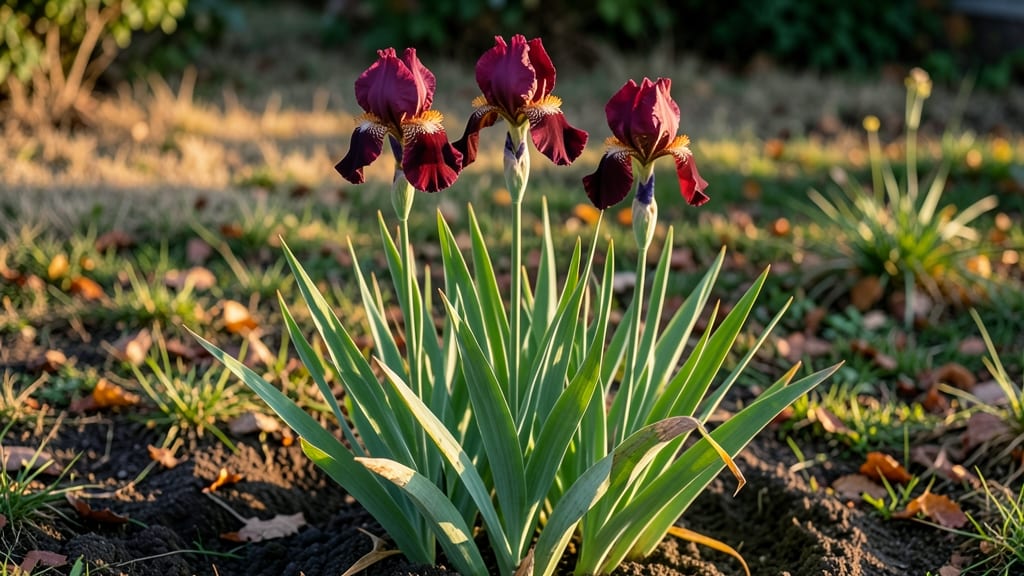
Yes, irises do bloom in the fall in regions with mild autumns or late-summer heat waves, though most varieties primarily flower in spring. Fall-blooming types like Louisiana irises or reblooming hybrids require specific light and temperature conditions to thrive.
Fall-blooming irises aren't just a fluke—they're often the result of careful breeding and climate adaptation. 🌸 Louisiana irises, for example, evolved to take advantage of warm, humid autumns, while reblooming hybrids have been cultivated to produce multiple bloom cycles.
The key factors are daylight exposure and temperature shifts: these varieties respond to shorter days and cooler nights by triggering their flowering mechanism.
In my experience, gardeners in zones 7-9 often see the best fall displays when they plant these specific types in well-draining soil with partial shade protection during peak afternoon heat.
What's fascinating is how these irises "cheat" the system—most plants follow strict seasonal cues, but fall-bloomers have developed flexibility. For instance, Siberian irises sometimes produce late-season blooms when summer temperatures remain unusually warm. The trade-off?
They often need more frequent watering and fertilization to maintain their energy reserves between blooming cycles. If you're considering adding fall-blooming irises to your garden, start with Louisiana varieties—they're the most reliable performers in autumn conditions.
💡 In This Article
- Why Some Iris Varieties Bloom in Fall
- Best Fall-Blooming Iris Varieties for Gardeners
Why some iris varieties bloom in fall
Fall-blooming irises defy the norm through a fascinating interplay of photoperiodism (light sensitivity) and temperature thresholds. Most irises follow strict spring blooming cycles triggered by increasing daylight, but varieties like Louisiana irises evolved in humid, subtropical climates where autumns remain warm (often 70-85°F).
These plants detect shorter daylight hours after a period of heat stress—typically when summer temperatures linger above 80°F into September. This dual trigger explains why they bloom later than their spring counterparts.
The science behind this involves florigen, a protein hormone that initiates flowering. In fall-bloomers, florigen production gets "reset" by the combination of warm days and cooler nights (60-65°F at night).
For example, Siberian irises may produce late-season blooms when summer heat persists because their internal clocks misread the seasonal cues. 🌿 What's less obvious is how these varieties store energy differently: their rhizomes build up more starch reserves during summer to fuel autumn blooms, unlike spring irises that rely on winter dormancy.
Regional climate plays a critical role—gardeners in USDA zones 7-9 consistently see fall blooms because these areas often have 3-4 weeks of 75°F+ temperatures after the summer solstice.
The Pacific Northwest's marine climate, with its mild autumns, is particularly conducive to Louisiana irises, while reblooming bearded irises in the Southeastern U.S. often produce secondary blooms when summer heat extends into October. The key difference?
Spring-bloomers need 6-8 weeks of cold dormancy to reset, while fall types can bloom with just 2-3 weeks of cooler nights.
What most gardeners overlook is the soil temperature factor. Fall-blooming irises perform best when soil remains above 60°F—cooler roots can trigger premature dormancy. This explains why raised beds or south-facing slopes often yield better autumn displays.
The trade-off? These varieties require 20-30% more phosphorus in fertilizer to support their extended growing season. For instance, a 10-10-10 fertilizer applied in early summer helps Louisiana irises store enough energy for fall blooms.
Interestingly, some reblooming hybrids achieve this through genetic manipulation—breeders have selected for plants that produce florigen in response to temperature fluctuations rather than strict daylight changes. This explains why a single Louisiana iris clone might produce 30-40% more blooms in fall than spring in the same location.
The visual difference is striking: fall blooms often have darker petals and more intense fragrance due to higher sugar concentrations in the flowers.
Here's what actually happens at the cellular level: when fall-blooming irises detect the 12-hour daylight threshold combined with 10°F+ temperature drops at night, their meristem cells (growth points) begin differentiating into flower buds.
This process takes 6-8 weeks from trigger to bloom, which is why late-summer planting can sometimes produce autumn flowers the following year. The sensory payoff? These late blooms often emit a sweeter, more complex aroma than spring flowers because the cooler nights concentrate their volatile oils.