
Blooming
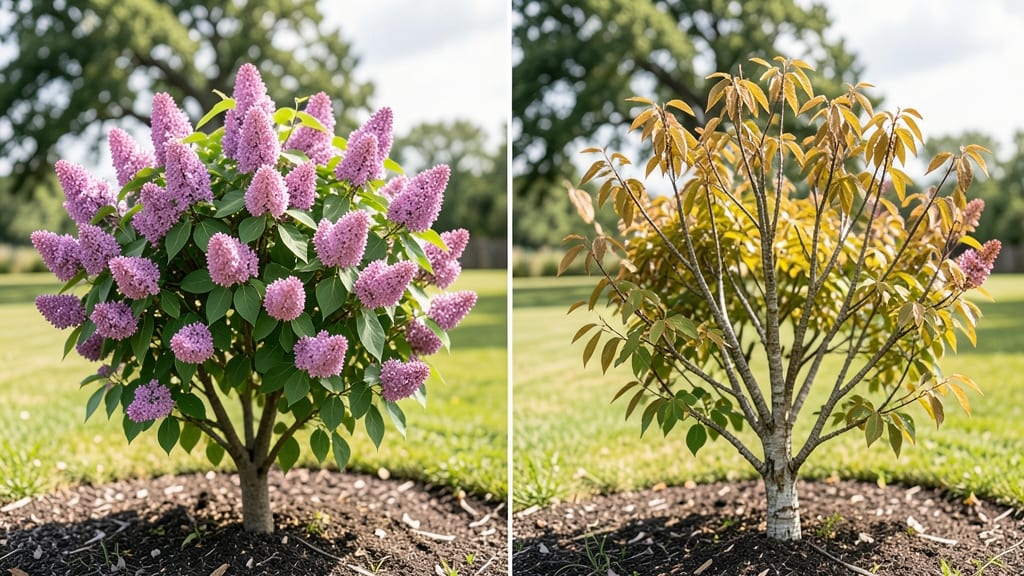
Lilacs do not bloom all summer—they typically flower for just 1-2 weeks in late spring, with varieties like French and common lilacs peaking in May or early June before fading. Their seasonal cycle depends on climate and pruning habits, not continuous blooming.
Lilacs are spring ephemerals, meaning their blooming window is genetically programmed to align with optimal pollination conditions. 🌸 The short-lived flowers appear as a response to specific temperature shifts and daylight hours—once they've served their purpose, the plant shifts energy into seed production.
In warmer climates, lilacs might bloom slightly earlier, but even then, the cycle rarely extends beyond a few weeks. This natural rhythm explains why gardeners often see their lilacs disappear just as summer begins, even though the plants themselves remain lush and green.
What many don't realize is that lilacs have a dormancy period built into their growth cycle. After blooming, they enter a rest phase where new buds form for next year's display.
This biological design is why you won't see continuous flowering—it's not a care issue, but rather an evolutionary adaptation to maximize reproductive success during the most favorable conditions.
💡 In This Article
- Understanding Lilac Bloom Timing and Seasonal Triggers
- How to Extend Lilac Blooming with Pruning and Care
Understanding lilac bloom timing and seasonal triggers
Lilacs are exquisitely attuned to seasonal cues, primarily responding to photoperiod (daylight length) and temperature shifts. Their blooming window typically opens when days reach 14-16 hours of daylight—a threshold that occurs in late spring.
This photoperiod sensitivity triggers the plant's hormonal response, causing buds to swell and open within 7-10 days.
The process is similar to how poinsettias bloom in response to shorter days in winter, but lilacs require the opposite trigger. 🌞 Once the longest days of summer arrive, the plant receives a signal to stop flowering and redirect energy toward seed production.
The specific temperature thresholds also play a crucial role. Lilacs require chilling hours during winter—typically 500-1,000 hours below 45°F—to break dormancy. Without adequate winter chill, buds may fail to develop properly, resulting in sparse or delayed blooms.
In warmer climates (USDA zones 6-8), lilacs may bloom slightly earlier, but the window still rarely exceeds 2-3 weeks. For example, 'Katherine Havemeyer' lilacs in zone 5 typically bloom in early May, while the same variety in zone 8 might start in late April—but both finish by early June.
What sets lilacs apart from reblooming plants like hydrangeas or roses is their monocarpic blooming pattern. This means they produce all their flowers at once from buds formed the previous season. Unlike plants that continuously produce new blooms throughout summer, lilacs exhaust their energy in one spectacular display.
This biological design ensures maximum pollination efficiency during the optimal window when bees are most active, but it also explains why you won't see continuous blooms. 🐝 The trade-off is nature's way of conserving energy for the plant's survival and next year's display.
Climate variations create noticeable differences in bloom timing. In cooler northern regions, lilacs often bloom later but may enjoy a slightly longer display due to slower metabolic rates. Conversely, in warmer southern climates, the blooming period might be compressed into just 10-14 days due to accelerated growth cycles.
The scent—often described as sweet and heady—peaks during the first 3-5 days of blooming, adding another layer to the fleeting experience. This sensory peak coincides with the plant's most fertile period, creating a perfect alignment between visual appeal and reproductive success.
Another fascinating aspect is how lilacs prepare for next year's blooms. After the initial display, the plant enters a bud formation phase that lasts throughout summer and fall. These new buds, which will produce next year's flowers, require consistent moisture and nutrients.
This is why proper summer care—including deep watering every 7-10 days and balanced fertilization—directly impacts the quality and quantity of next year's blooms. The plant's entire growth strategy revolves around this seasonal rhythm, making continuous blooming biologically impossible without human intervention.
For gardeners hoping to extend the blooming season, understanding these natural triggers is essential. While you can't change the fundamental biology, you can work with it by selecting varieties that better suit your climate or implementing care practices that support the plant's natural cycle.
The key insight is that lilacs aren't designed to bloom continuously—they're built for one spectacular show that captures spring's fleeting beauty. 🌸