
Blooming
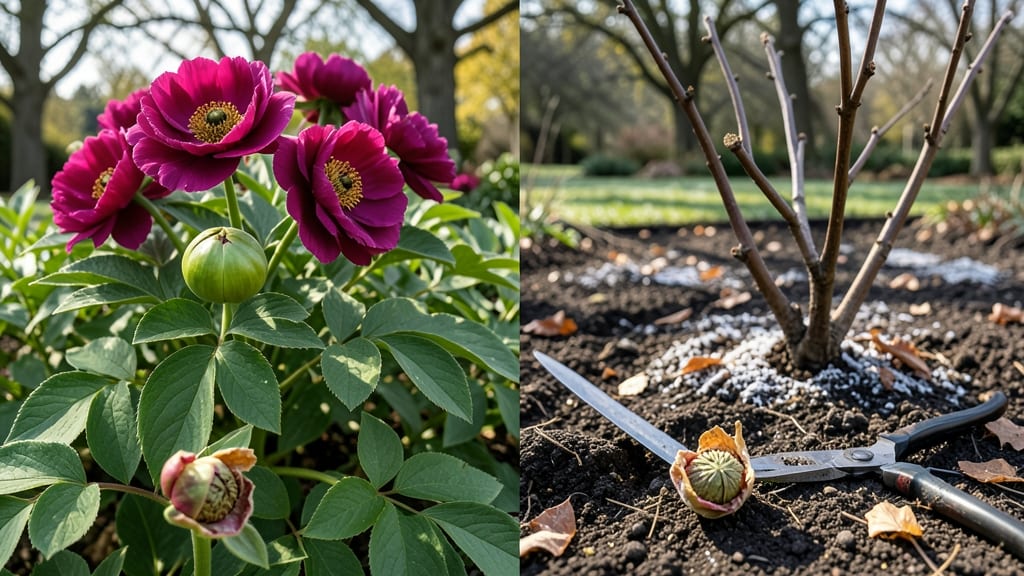
Peonies don't bloom every year by default—most varieties produce just one flush of flowers per season in early summer before entering dormancy. However, reblooming peonies can yield two bloom cycles if you deadhead spent blooms and provide consistent care, though their vigor may diminish over time. Planting depth and sunlight exposure are key factors for reliable flowering.
Most peonies follow a natural cycle where they allocate energy to root development during their first few years, delaying blooms until they're established. 🌸 This single-bloom pattern is hardwired into their genetics—think of it as their survival strategy.
The reblooming varieties you find in nurseries are actually hybrids specifically bred to push beyond this limit, but even they require precise care to maintain that second flush.
I've seen gardeners extend their peony season by weeks through strategic deadheading and balanced fertilization, though it does take patience to see results.
What sets reblooming peonies apart is their ability to produce a second set of buds after the first bloom cycle fades. This happens because these varieties develop additional flower buds on their stems during the growing season, rather than relying solely on buds formed the previous fall.
The catch? These second blooms often arrive smaller and less abundant than the first flush, which is why many growers focus on maximizing just that initial display.
Proper planting depth—typically with the eyes (buds) just below soil level—ensures strong root establishment, while 6-8 hours of direct sunlight daily keeps the plant energized for multiple bloom cycles.
💡 In This Article
- Why Most Peonies Bloom Only Once Per Season
- How to Encourage Reblooming in Peonies
Why most peonies bloom only once per season
The single-bloom cycle in peonies is rooted in their survival strategy as perennials. When peonies first establish themselves, they prioritize root and crown development over flowering—a process called juvenile phase. This can take 2-3 years before they produce their first blooms.
Once flowering begins, the plant's energy is divided between maintaining roots, producing leaves, and creating flower buds for the next season. 🌱 The first flush of blooms in early summer signals the plant's peak reproductive effort, after which it shifts focus to storing energy for dormancy.
Biologically, peonies are programmed to allocate about 60-70% of their energy reserves to root expansion and storage during the growing season. This ensures they survive winter dormancy and regrow in spring. The remaining energy goes toward flowering, which is why most varieties produce just one spectacular bloom cycle per year.
Reblooming peonies, however, are hybrids that have been selectively bred to develop secondary flower buds on their stems during the growing season, rather than relying solely on buds formed the previous fall.
Light exposure plays a crucial role in this cycle. Peonies require 6-8 hours of direct sunlight daily to trigger flowering hormones called florigen. Without sufficient light, the plant won't produce enough energy to support multiple bloom cycles.
Inadequate sunlight also weakens the plant's ability to store carbohydrates in its roots, which are essential for winter survival and spring regrowth. 🌞 This is why peonies planted in shaded areas often produce fewer or no blooms at all.
Another key factor is the plant's dormancy period, which occurs in late fall. During this time, peonies enter a state of reduced metabolic activity to conserve energy.
Proper dormancy is critical for reblooming—if the plant doesn't get enough cold exposure (30-40°F for 4-6 weeks), it may not reset its biological clock correctly, leading to erratic or weak flowering the following season. This is why peonies grown in warm climates often struggle to rebloom consistently.
Consider the contrast between single-bloom and reblooming types: Single-bloomers like 'Sarah Bernhardt' produce one massive, 6-8 inch bloom per stem, while rebloomers like 'Bowl of Beauty' may yield two smaller blooms (4-5 inches) per stem.
The trade-off is energy—reblooming varieties spread their efforts more thinly across multiple blooms, which is why their second flush often arrives later in the season and with less vigor. 🌸 Understanding this biological trade-off helps gardeners set realistic expectations for their peony care routines.