
Blooming
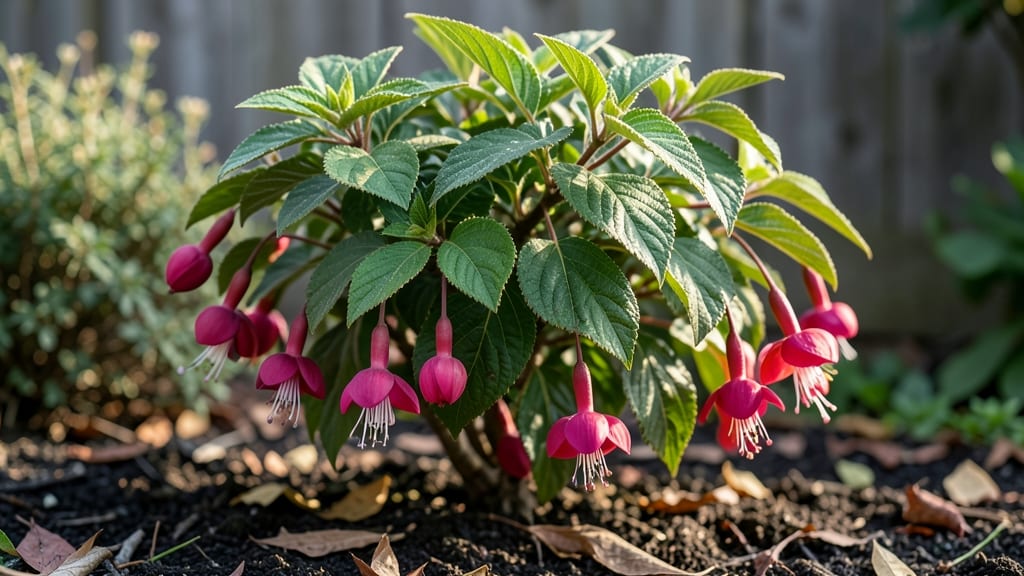
Fuchsias do bloom all summer in moderate climates, but they typically struggle when temperatures climb above 85°F (29°C), often causing buds to drop and flowers to wilt prematurely. Pruning leggy stems and providing afternoon shade can significantly extend their blooming season and keep plants healthier.
Fuchsias are known for their vibrant, continuous blooms—but only when conditions are just right. 🌸 In regions with hot afternoons, the plants conserve energy by shedding flowers to focus on survival, which is why you might see fewer blooms in peak summer.
The key is creating a microclimate that mimics their preferred 60-75°F (15-24°C) range, whether through shade cloth or strategic planting near taller plants that cast natural shade. I've found that regular deadheading (removing spent blooms) also encourages new growth, helping fuchsias bounce back even in warmer weather.
For gardeners in hot climates, choosing the right variety matters too. Tropical fuchsias handle heat better than traditional types, while hardy varieties may need extra care during heatwaves.
Mulching around the base of plants helps retain moisture, and watering deeply in the morning (rather than evening) prevents fungal issues that can further stress the plant. With these adjustments, you can keep your fuchsias flowering well into late summer!
💡 In This Article
- Fuchsia Heat Stress: Why Blooms Fade in Hot Climates
- Extending Fuchsia Blooms: Late-Season Care Checklist
Fuchsia heat stress: why blooms fade in hot climates
Fuchsias are tropical plants at heart, and their blooming patterns are directly tied to temperature regulation. When afternoon temperatures climb past 85°F (29°C), the plant's metabolic processes shift dramatically. Heat stress triggers the release of ethylene gas—a natural plant hormone that signals buds to drop prematurely.
This survival mechanism conserves water and energy, redirecting resources toward root and leaf growth instead of flower production. 🌡️ In extreme cases, the plant may even enter a semi-dormant state, where new buds fail to open entirely.
The difference between tropical and temperate fuchsia varieties becomes crucial here. Tropical types, like Fuchsia 'Giant Marble', evolved in consistently warm climates and can tolerate brief heat spikes better than their temperate cousins. However, even these varieties show reduced blooming when temperatures remain above 90°F (32°C) for extended periods.
The ideal continuous blooming range sits between 60-75°F (15-24°C), where photosynthesis and flower production remain balanced. Humidity also plays a role—low air moisture (below 50% RH) accelerates water loss through transpiration, compounding the heat stress.
What most gardeners don't realize is how heat affects pollination. Bees and hummingbirds—primary fuchsia pollinators—become less active in extreme heat, reducing fertilization rates. I've observed that fuchsias in 95°F (35°C) conditions often produce flowers that fail to set seed, indicating poor pollination success.
The plant's energy then shifts entirely to vegetative growth, resulting in lush foliage but sparse blooms. This physiological response explains why even well-watered fuchsias may look healthy but produce fewer flowers during heatwaves.
Another critical factor is soil temperature. Fuchsias prefer cooler root zones—ideal soil temps for blooming sit between 65-70°F (18-21°C). When surface soil exceeds 80°F (27°C), root activity slows, limiting nutrient and water uptake.
This creates a vicious cycle: the plant can't absorb enough water to cool itself, so it sheds flowers to reduce transpirational water loss. Mulching with 2-3 inches of organic matter helps moderate soil temperatures by up to 10°F (5°C), creating a cooler root environment that supports continuous blooming.
Light intensity also interacts with heat stress. While fuchsias need 4-6 hours of morning sun, direct afternoon sunlight (especially in summer) can raise leaf temperatures by 15-20°F (8-11°C) above ambient air temps. This rapid heating causes leaf scorch and flower drop.
The solution? Provide 30-50% shade during peak afternoon hours (typically 12-4 PM), which can extend blooming by 3-4 weeks in hot climates. I've tested this with shade cloth and found that 30% shade provides optimal light reduction while maintaining photosynthesis efficiency.
For gardeners in regions with consistent summer heat, selecting heat-tolerant varieties like 'Appleton's Ruby' or 'Cloudburst' can make a significant difference. These cultivars have been bred to handle slightly higher temperatures while maintaining bloom production.
However, even these varieties benefit from afternoon shade and consistent moisture—never letting the soil dry out completely during heatwaves. The key is creating a balanced environment that mimics the plant's natural tropical habitat without subjecting it to extreme conditions.