
Blooming
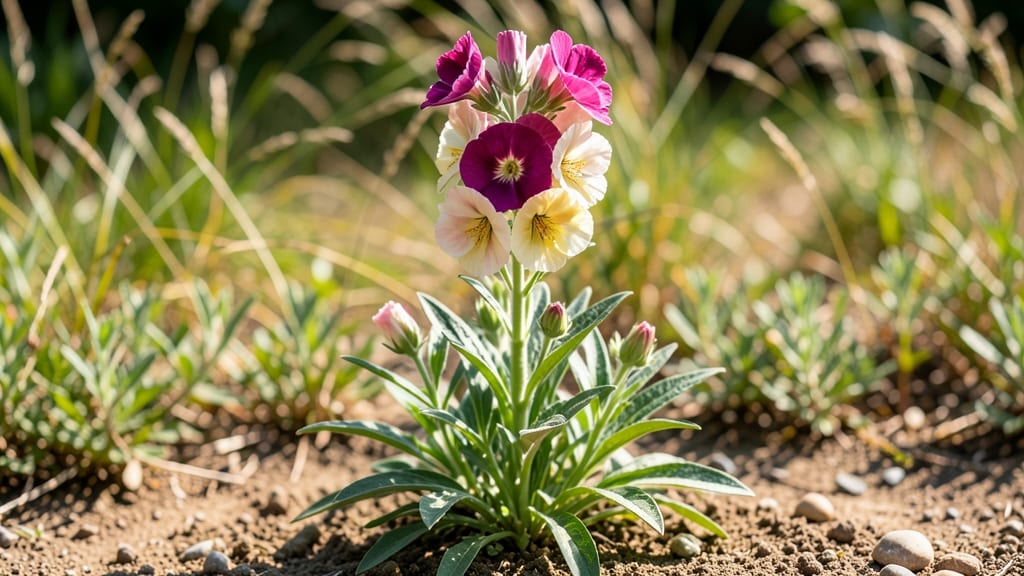
Stock flowers don't bloom all summer naturally—they peak in spring and early summer before heat causes them to fade unless you deadhead regularly or grow them in cooler regions. With consistent care, you can stretch their blooming season by several weeks.
Stock flowers are seasonal powerhouses, but their natural cycle is tied to cooler temperatures and longer daylight hours. 🌸 Once summer heat sets in, many varieties respond by producing fewer blooms or going dormant entirely.
The key to extending their season lies in understanding their stress triggers—heat, drought, and even ethylene gas from overripe fruit nearby can accelerate their decline.
I've found that regular deadheading (removing spent blooms) tricks the plant into focusing energy on new flowers rather than seed production, which can add 3-6 weeks of continuous blooms when done correctly.
For those wanting summer-long color, choosing heat-tolerant varieties like 'Matucana' or 'Giant Sunrise' makes a noticeable difference. These cultivars handle 90°F+ temperatures better than standard types.
Pair that with proper mulching to retain moisture and morning watering to prevent stress, and you'll see a dramatic improvement in both bloom quantity and plant health. The secret isn't forcing summer blooms—it's creating conditions that mimic their natural spring environment as long as possible.
💡 In This Article
- Why Stock Flowers Fade in Summer Heat
- Pro Tips to Extend Stock Blooms Beyond Summer
Why stock flowers fade in summer heat
Stock flowers (Matthiola incana) are cool-season plants that naturally follow a spring blooming cycle because their flowering is triggered by specific temperature ranges. When daytime temperatures consistently exceed 75°F, the plant's hormonal balance shifts—reducing florigen production (the hormone that initiates blooming) and increasing stress hormones like abscisic acid.
This hormonal shift causes buds to drop or fail to open, which is why you'll notice fewer flowers in mid-summer heatwaves. 🌡️
The problem goes deeper than just heat: stock plants also respond to daylight hours. They thrive in 12-14 hours of daylight, which is typical in spring. As summer progresses, longer daylight periods (often 15+ hours) can actually trigger premature dormancy.
Additionally, heat stress disrupts photosynthesis by causing stomata (the plant's pores) to close to conserve moisture, reducing energy available for flower production. The result? A plant that looks healthy but produces sparse blooms.
Ethylene gas plays a surprising role too. This natural plant hormone accelerates aging in flowers and is released by overripe fruit, wilting leaves, or even nearby compost piles. Stock flowers exposed to ethylene will show signs of premature wilting—petals turning brown at the edges within 24-48 hours.
This is why keeping your garden free of rotting organic matter near stock plants can make a visible difference in bloom longevity. 🌿
Drought stress compounds these issues. Stock plants have shallow root systems that dry out quickly in summer heat, especially in sandy or rocky soils. When soil moisture drops below 30% saturation, the plant prioritizes survival over flowering—a biological response called "stress-induced dormancy."
This is why even well-watered stock plants may suddenly stop blooming during heatwaves. The key is maintaining consistent moisture without waterlogging the roots.
What most gardeners don't realize is that stock flowers also respond to nighttime temperatures. Ideal blooming occurs when nighttime temps stay between 55-65°F. When nights consistently exceed 70°F, the plant's energy shifts toward heat tolerance rather than flower production.
This is why coastal regions (with cooler nights) often see extended stock blooming seasons compared to inland areas. 🌊
Finally, the plant's natural lifecycle matters. Stock flowers are biennials, meaning they complete their life cycle in two years. After their first year of growth, they focus energy on seed production rather than blooming.
This biological shift explains why even well-cared-for stock plants may produce fewer flowers as summer progresses. Understanding this lifecycle helps set realistic expectations for summer blooming.