
Blooming
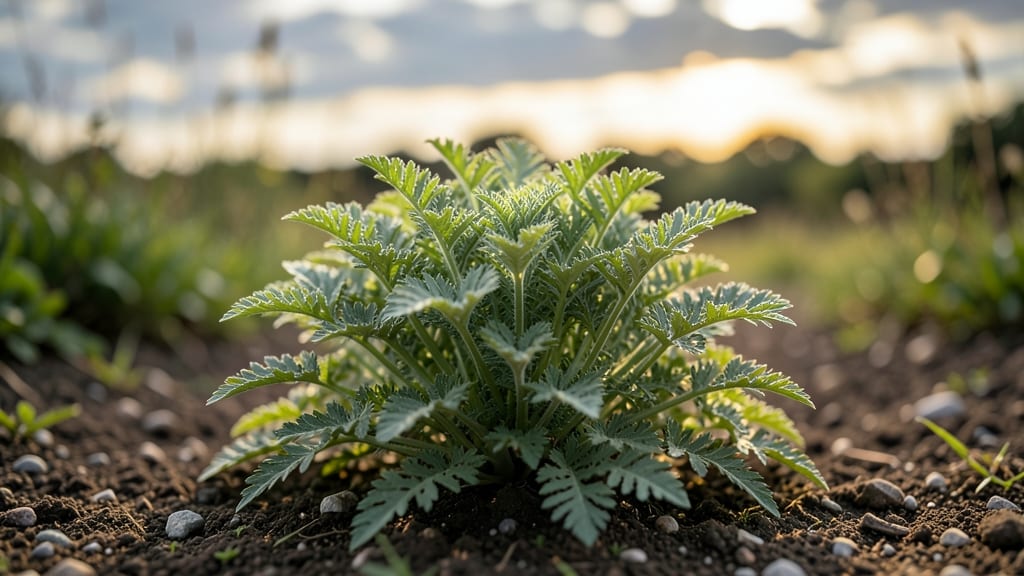
Yarrow doesn't bloom the first year—it focuses on building a robust root system and lush foliage instead. This biennial growth pattern ensures stronger flowering in its second year when given proper care and conditions.
This two-year cycle makes perfect sense when you understand yarrow's survival strategy. 🌱 The plant prioritizes energy toward underground growth first, storing nutrients that fuel vibrant blooms later. Think of it like a marathon runner building endurance before sprinting—without this foundation, flowers would be weak and short-lived.
I've seen gardeners rush the process by fertilizing heavily in year one, but that often backfires by producing leggy stems with fewer blooms. The key is patience combined with consistent moisture and well-draining soil.
What's interesting is how environmental factors play into this timing. Yarrow planted in cooler climates may take slightly longer to flower than those in warmer zones, while rich, organic soil can accelerate the process by 2-4 weeks.
The plant's natural resilience means it'll bloom eventually, but giving it the right conditions from the start makes all the difference. For example, dividing established clumps every 2-3 years can rejuvenate older plants and encourage more prolific flowering.
💡 In This Article
- Why Yarrow Takes Two Years to Flower
- Tips to Encourage Yarrow Blooms Earlier
Why yarrow takes two years to flower
Yarrow follows a biennial growth pattern, meaning its energy in the first year goes entirely toward developing a deep, fibrous root system rather than producing flowers. This underground network can extend 12-18 inches deep, creating a reservoir of stored nutrients and water that supports future blooms.
The plant's leaves, often feathery and aromatic, serve as solar panels, converting sunlight into energy that gets channeled below ground. 🌱 Think of it like a savings account—yarrow is making deposits for its flowering "spending spree" in year two.
The science behind this involves two key hormones: gibberellins and auxins. Gibberellins promote stem elongation and flower formation, but these remain dormant in year one. Auxins, which regulate root growth, dominate instead, creating a robust foundation.
In year two, when days lengthen and temperatures rise, the plant shifts production to gibberellins, triggering the flowering process. This hormonal switch explains why yarrow planted in USDA zones 5-9 often blooms earlier than in cooler climates.
Environmental conditions dramatically influence this timing. Yarrow thrives in full sun (6+ hours daily) and well-draining soil with a pH of 6.0-7.5. In ideal conditions, you might see sparse flowering in year one, but these blooms are typically weak and short-lived.
The plant's natural strategy prioritizes survival over reproduction in its first year—a tradeoff that pays off with 3-4 foot tall stems and clusters of 100+ tiny flowers in year two.
For example, yarrow grown in sandy loam (like my own garden) blooms more prolifically than in heavy clay because excess moisture stresses the roots.
What most gardeners don't realize is that yarrow's first-year foliage is just as valuable as its flowers. The leaves contain 0.2-0.4% essential oils, including chamazulene (anti-inflammatory) and bisabolene (antiseptic). This means even non-flowering plants offer medicinal benefits.
The plant's ability to self-seed also means it'll eventually bloom on its own, but proper care—like monthly compost top-dressing—can accelerate the process by 4-8 weeks without compromising health.
Here's a comparison of first-year vs. second-year growth:
- First Year: Focuses on root expansion (up to 18" deep) and basal foliage growth (up to 12" tall)
- Second Year: Produces 3-4' tall flowering stems with 100+ blooms per stem
- Key Difference: Year one = "investment," year two = "return"
This two-year cycle isn't unique to yarrow—many perennials like foxglove and hollyhock follow similar patterns. The difference is yarrow's resilience: even if you accidentally cut it back in year one, it'll often recover and still bloom in year two.
The plant's ability to regenerate from root fragments makes it one of the hardiest perennials for drought-prone gardens. 💛