
Blooming
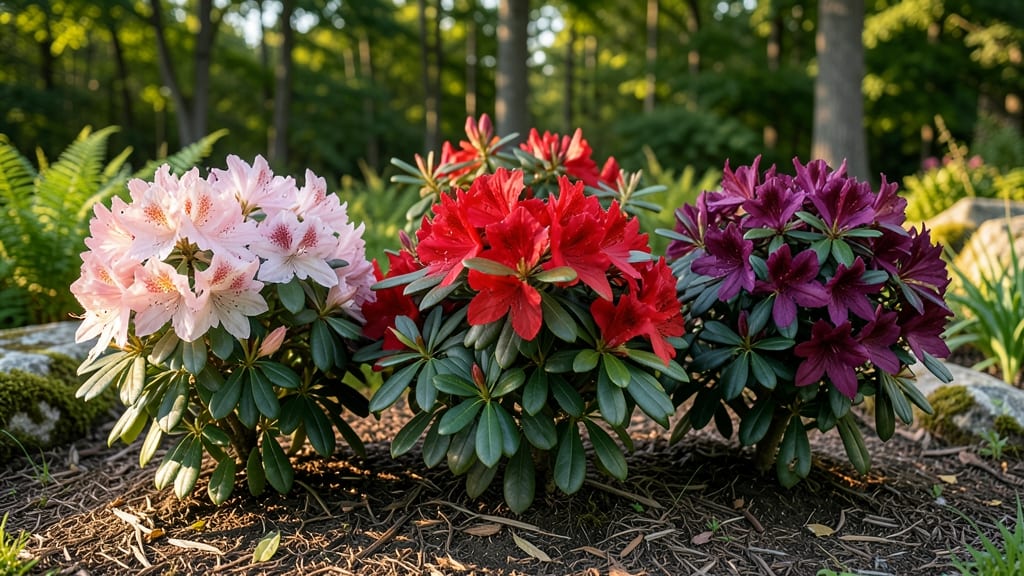
The encore azalea bloom time spans spring and fall 🌸, with their most dramatic show arriving in March through May—but whether you get that second flush depends on your zone and a few key care tricks.
If your Encore azaleas are putting on a stunning spring show but then fading into summer silence, you’re not alone—yet there’s a secret to coaxing them back into bloom.
These shrubs thrive in USDA Zone 6a and beyond, where cooler summers delay dormancy, but even in warmer areas, timing is everything. A little pruning after the first bloom, the right fertilizer, and protecting them from late frosts can turn a one-season display into two.
In this guide, I’ll break down the exact bloom windows for your region, the 5 proven techniques to trigger reblooms, and how to avoid common mistakes that rob you of those late-summer flowers.
Encore azalea bloom time: natural seasons vs. your hardiness zone
Encore azaleas are famous for their reblooming habit, but their bloom windows shift dramatically depending on your USDA hardiness zone and local climate. While most gardeners expect a spring show (typically April–May), the fall rebloom (September–October) is where these shrubs truly shine—if you live in the right zone.
Understanding these natural rhythms helps you time care tasks like pruning and fertilizing for maximum impact.
The primary bloom always occurs in late spring, but the intensity and timing vary by zone. For example, in Zone 6, buds may form as early as March, while in Zone 10, they might not appear until May.
The fall rebloom, however, is far more zone-dependent—some varieties in Zones 7–9 produce a second flush of flowers, while cooler zones (6 and below) rarely see it.
Here’s how your hardiness zone influences bloom timing, including regional variations and microclimate effects like urban heat islands or coastal breezes:
| USDA Zone | Primary Bloom (Spring) | Fall Rebloom Potential | Key Climate Factor | Microclimate Tip |
|---|---|---|---|---|
| 6a–6b | Late April–early May | Rare (cool fall temps) | Short growing season | Plant near south-facing walls for warmth |
| 7a–7b | Mid-April–mid-May | Possible (late Sept–Oct) | Moderate winters | Avoid late frost pockets |
| 8a–8b | Early April–early May | Likely (Sept–Oct) | Mild winters | Prune after fall bloom to encourage next year’s buds |
| 9a–9b | March–April | Strong (Aug–Nov) | Long, warm seasons | Use shade cloth in summer to prevent heat stress |
| 10a–10b | February–March | Extended (June–Dec) | Tropical climate | Mulch heavily to retain moisture |
In Zones 6–7, the spring bloom is your main event, but fall reblooms are hit-or-miss. The key is ensuring your azalea gets 6–8 weeks of cool nights (below 60°F) after summer to reset flower buds.
If your zone rarely drops below 65°F, skip the fall bloom—focus on spring care instead.
Gardeners in Zones 8–10 have the advantage of two reliable blooms per year. Here, the fall rebloom often outperforms spring, thanks to cooler temperatures and longer daylight. However, overheating can stress plants, so afternoon shade becomes critical in Zone 10.
I once saw an Encore azalea in San Diego bloom in December—proof that these shrubs adapt beautifully to mild winters!
Microclimates can shift bloom times by 2–4 weeks. For example, a north-facing slope in Zone 7 might delay spring blooms until mid-May, while a south-facing bed could trigger buds in April. Urban areas with heat islands may see earlier spring blooms but weaker fall
5 Proven techniques to trigger Encore azalea reblooms
Encore azaleas are famous for their reliable spring blooms, but with the right care, they can put on a second show in late summer or fall. The key lies in understanding their natural growth cycles and making strategic adjustments to light, water, and nutrients.
Unlike traditional azaleas, Encore varieties respond well to seasonal pruning and feeding, but timing is everything.
Many gardeners assume azaleas just need good soil and water to rebloom, but the truth is more nuanced. Light exposure, pruning schedules, and fertilizer applications all play critical roles in signaling your azalea to produce new flower buds.
For example, late-winter pruning removes old growth while encouraging fresh shoots that will bear fall blooms. Let’s break down the five essential techniques to coax that second flush of color.
- 📅 Prune in late winter (Feb-March) to remove old wood and encourage new growth for fall blooms.
- 🌱 Fertilize in early spring (March-April) with balanced 10-10-10 to support bud formation.
- ☀️ Provide morning sun (4-6 hours) and afternoon shade to prevent bud stress in hot zones.
- 💧 Water deeply weekly during bud formation (spring/fall) to avoid bud drop.
- ✂️ Avoid heavy pruning after June—this cuts off fall bud development.
One of the most common mistakes is pruning at the wrong time. If you trim your Encore azalea after June, you risk removing the current year’s growth, which is where fall flower buds form.
Instead, focus on light shaping cuts in late winter to open the canopy for better air circulation and sunlight penetration. This not only prevents disease but also signals the plant to prioritize flower production.
Fertilizer timing is equally critical. Early spring feeding (March-April) gives your azalea the nutrients it needs to set spring buds, while a second light feeding in early summer (June) can encourage fall blooms.
Use a balanced 10-10-10 fertilizer—too much nitrogen will promote leafy growth at the expense of flowers. I’ve found that organic options like fish emulsion work beautifully, especially in acidic soils.
Light exposure often gets overlooked, but Encore azaleas thrive with morning sun and afternoon shade. In hotter climates (Zones 8-10), afternoon shade is non-negotiable—direct sun can scorch buds and prevent reblooming.
If your azalea isn’t reblooming, try moving it to a slightly shadier spot or adding a light fabric shade cloth during peak afternoon heat. This small adjustment can double your bloom potential.
Finally, consistent watering is the backbone of reblooming success. During bud formation (spring and fall), your azalea needs deep, weekly watering to prevent bud drop. I water mine early in the morning to reduce evaporation and prevent fungal issues.
In drought-prone areas, consider mulching with pine bark to retain moisture and mimic their natural acidic soil conditions. With these five techniques, your Encore azalea will reward you with two stunning bloom cycles each year.