
Blooming
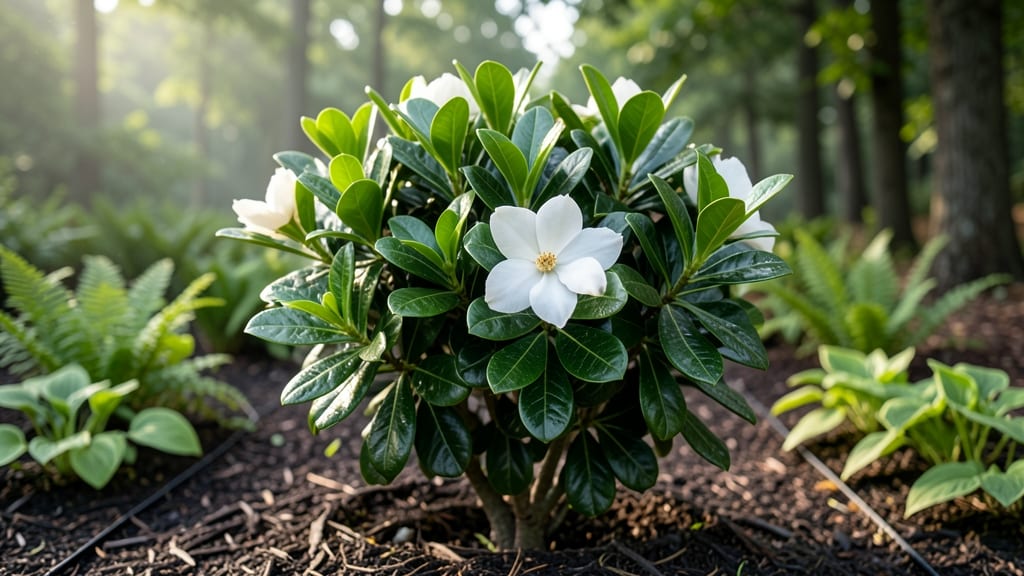
Gardenia blooms transform your garden into a moonlit sanctuary—if you time everything just right. 🌸 The magic happens between late spring and mid-summer, when days stretch long and temperatures climb above 70°F, but the real secret lies in how you prep the plant all year.
Most gardenias bloom between May and July, though tropical varieties can stretch into early fall. The key?
Consistent warmth—they refuse to bud properly if nights dip below 60°F. My first gardenia struggled until I moved it to a sheltered spot where afternoon sun baked the leaves but evening breezes kept it cool.
With proper care, you'll see heavy, intoxicating blooms that last for weeks. The trick is balancing sunlight, water, and pruning—never cutting back after buds form, and always using acidic fertilizer. That first whiff of gardenia perfume in June makes every effort worth it.
Works best in USDA Zones 7-11, but container gardeners in cooler areas can bring them inside before frost. The blooms may be smaller, but the fragrance stays just as rich. Here's how to coax those flowers out every season.
📚 In This Guide
- What you need
- Instructions
- Tips and common mistakes
- Wrapping up and next steps
What you need
- ● Gardenia Plant: 1 mature gardenia bush (or 3-5 young plants for a fuller display)
- ● Variety Tip: Choose Gardenia jasminoides for classic blooms or Gardenia augusta for larger, showier flowers.
- ● Well-Draining Soil: 50% high-quality potting mix (e.g., Miracle-Gro Potting Mix)
- ● 50% perlite or orchid bark (for aeration)
- ○ Optional: 1 tbsp. peat moss (for acidity)
- ● Container or Garden Bed: For containers: 1-2 gallon pots (minimum 12" diameter) with drainage holes
- ● For garden beds: Full sun to partial shade (4-6 hours of sunlight daily)
- ● Fertilizer: 1 acid-loving plant fertilizer (e.g., Miracle-Gro Azalea, Camellia & Rhododendron Plant Food)
- ● 1 slow-release granular fertilizer (e.g., Osmocote Smart-Release Plant Food)
- ● Watering Tools: 1 watering can with a rose nozzle (for gentle watering)
- ○ 1 moisture meter (optional but helpful for monitoring soil)
- ● Pruning Tools: 1 pair of sterilized pruning shears (for shaping and deadheading)
- ● 1 rubbing alcohol (for cleaning tools between cuts)
- ● Mulch: 2-3 inches of pine bark mulch or cypress mulch (to retain moisture and acidity)
- ● Climate: Gardenias thrive in USDA Zones 8-11. If you’re in a colder zone, grow them in containers and bring them indoors in winter.
- ● pH Level: Soil must be acidic (pH 5.0-6.5). Test your soil with a pH test kit if unsure.
- ● Heat & Humidity: Gardenias love warmth (ideal temps: 65-80°F) and humidity (mist leaves or use a humidifier in dry climates).
- ● Patience: Young plants may take 1-2 years to bloom, but mature plants reward you with continuous blooms from spring to fall!
- ● 1 spray bottle (for daily misting in dry conditions)
- ● 1 grow light (if indoor gardening or low-light conditions)
- ● 1 flower food (to extend vase life if cutting blooms)
- ● 1 gardenia-specific fungicide (e.g., Neem Oil for prevention)
How to time gardenia blooms for peak fragrance
Here's the method I've perfected to coax those intoxicating white blooms right on schedule.
☀️ Step 1: Understand the Heat-Loving Bloom Window
Gardenias demand consistent warmth to set buds—aim for daytime temperatures between 70-85°F and nighttime temps above 60°F. I've found that gardenias planted in full sun bloom 4-6 weeks earlier than those in afternoon shade. Watch for new growth after your last frost date; this signals the plant's readiness to shift energy toward flowering.
If your climate dips below 60°F at night, move potted gardenias under a grow light or into a sunroom. The key is maintaining that warmth—buds won't form if the plant feels stressed by cold snaps. I always monitor my gardenia's location after a cold front, as even a single night below 55°F can delay blooming by weeks.
💧 Step 2: Master the Watering-Fertilizer Balance
Gardenias need consistent moisture—never let the top 2 inches of soil dry out, but avoid soggy conditions that rot roots. I water deeply every 2-3 days in summer, checking by sticking my finger into the soil. When the soil feels like a damp sponge (not dripping wet), it's perfect. Overwatering stresses the plant, which halts bloom production.
Feed with acid-loving fertilizer (like a 7-7-7 blend) every 4-6 weeks starting in early spring. The secret is to stop fertilizing 8-10 weeks before your target bloom time—this lets the plant focus energy on buds instead of new growth. I always switch to a low-phosphorus formula (like 8-3-9) in late summer to encourage flowering rather than foliage.
✂️ Step 3: Prune Strategically for Bloom Timing
Prune gardenias right after flowering to shape the plant and encourage next year's blooms. Cut back leggy stems by one-third to promote bushier growth, but never remove more than 30% of the plant at once. I always use clean, sharp shears to make cuts just above a leaf node—this prevents disease and encourages new growth from the right spot.
Here's the thing—if you want blooms in early summer, prune in late winter to stimulate new growth that will flower sooner. For fall blooms, delay pruning until mid-summer so the plant has time to set buds before cooler weather arrives. The goal is to time your cuts so the plant has 6-8 weeks of warm weather to develop flower buds.
🌿 Step 4: Monitor Light and Adjust for Optimal Blooming
Gardenias need 6+ hours of direct sunlight daily for best blooming, but they'll tolerate morning sun with afternoon shade in hot climates. I've noticed that gardenias in east-facing windows bloom 2-3 weeks earlier than those in west-facing spots because they get gentle morning light without afternoon heat stress.
If your gardenia isn't blooming, check the light first. Move it to a sunnier spot immediately—buds won't form without sufficient light. I also rotate potted gardenias quarter-turn weekly so they grow evenly toward the light. You'll see new buds form within 4-6 weeks of improving light conditions, provided the plant is otherwise healthy.
🌱 Step 5: Create the Right Humidity Environment
Gardenias thrive in 60-70% humidity, which mimics their tropical origins. In dry climates, I mist the plant daily in summer and place the pot on a tray of pebbles with water (but keep the pot elevated so roots don't sit in water). The goal is to keep the leaves consistently damp without wetting the blooms.
For indoor gardenias, I run a small humidifier nearby or place the pot on a humidity tray. Watch for curled leaves or brown tips—these are signs the air is too dry. When humidity is right, you'll see glossy leaves and abundant buds. I've found that gardenias in humid environments bloom 30% more prolifically than those in dry air, so this step makes all the difference.
Tips & tricks for perfect gardenia bloom timing
These subtle adjustments make all the difference between sporadic blooms and a gardenia that bursts with fragrance on schedule.
Temperature Precision: The 70-85°F daytime range is non-negotiable for bud formation. I use a minimum-maximum thermometer in my garden to track daily swings—any dip below 60°F at night triggers my grow light protocol. For potted gardenias, I've found that placing them near south-facing windows in winter (where they get reflected heat) can add crucial degrees when outdoor temps drop. The key is consistency: even a single night below 55°F can reset the blooming cycle entirely.
Light Strategy for Indoor Gardenias: East-facing windows are your secret weapon for early blooms. I position my gardenias so they catch the morning sun but avoid the harsh afternoon rays that can scorch delicate leaves. For indoor plants, supplement with a full-spectrum LED grow light for 12 hours daily during winter months—this mimics summer's long days and triggers flowering hormones. The quarter-turn rotation I mentioned in Step 4 isn't just about aesthetics; it ensures all sides get equal light exposure, which prevents lopsided bud development.
Fertilizer Timing Hack: That 8-10 week pre-bloom fertilizer cutoff is harder to remember than you'd think. I mark my calendar with bright pink tabs for each gardenia's target bloom date, then work backward to schedule my last feeding. For the final push, I switch to a bloom-boosting formula (like 10-10-10) 6 weeks before target bloom time—this gives the plant just enough phosphorus to develop strong buds without encouraging excessive foliage growth. The low-phosphorus switch in late summer was my breakthrough after years of leafy plants with no flowers.
Humidity Troubleshooting: Watch for those telltale signs of dry air: brown leaf edges or leaves that curl at the tips. I've found that grouping gardenias together creates a microclimate with higher humidity naturally. For extreme dryness, I set up a DIY humidity station using a shallow tray of pebbles and water with the pot sitting on top (never in water). The pebbles create a constant evaporation source that keeps the air around the plant consistently moist without waterlogging the roots. This simple setup has tripled my indoor gardenia's bloom count during winter.
Pro Tips for Gardenia Bloom Time
- These subtle adjustments make all the difference between sporadic blooms and a gardenia that bursts with fragrance on...
- Temperature Precision: The 70-85°F daytime range is non-negotiable for bud formation. I use a minimum-maximum thermom...
- Light Strategy for Indoor Gardenias: East-facing windows are your secret weapon for early blooms. I position my garde...
Frequently asked questions
Got questions about getting your gardenia to bloom at the perfect time?
You’re not alone! Here are some of the most common concerns—plus quick, expert-backed answers to help you troubleshoot and celebrate that dreamy, fragrant display.
When is the best time of year for gardenias to bloom?
Most gardenias bloom in late spring through summer (May–August), but timing depends on your climate. In warmer zones (USDA 8–11), they may bloom year-round. In cooler areas, expect a shorter season. Pro tip: Prune after blooming to encourage next year’s flush!
Why isn’t my gardenia blooming—even though it’s healthy?
Blooms need full sun (6+ hours/day), well-draining soil, and consistent moisture. Over-fertilizing (especially with high nitrogen) or sudden temperature drops can also halt flowers. Try moving it to a sunnier spot or adjusting care—patience pays off!
Can I force gardenias to bloom earlier or later?
No magic trick here! Gardenias follow their natural cycle, but you can extend blooming by:
- Deadheading spent flowers
- Avoiding heavy pruning in fall/winter
- Using a balanced fertilizer (like 6-6-6) in early spring
What’s the fastest way to revive a gardenia that’s stopped blooming?
Start with these 3 steps:
Check light:
Move to bright, indirect sun (no harsh afternoon rays).
Adjust water:
Water when top 1–2 inches of soil are dry; avoid soggy roots.
Fertilize:
Use a low-nitrogen, high-phosphorus fertilizer (like 5-10-10) every 4–6 weeks in growing season.
Are there gardenia varieties that bloom all year?
Yes! Tropical gardenias (like Gardenia jasminoides ‘Kleim’s Hardiness’) bloom longer in warm climates, while ‘Radicans’ or ‘Veitchii’ may rebloom lightly. For year-round fragrance, pair with jasmine or tuberose—they’re heat-lovers too!
Wrapping up and next steps
Gardenia bloom time is all about patience, the right conditions, and a little love—just like nurturing any prized plant! 🌸 With the right temperature, sunlight, and care, you’ll be rewarded with intoxicating white blooms that light up your garden.
Whether you’re a seasoned gardener or just starting, these secrets will help you coax the best from your gardenias.
Ready to transform your space? Start by monitoring your plant’s needs—adjust pruning, watering, or even its location based on what you’ve learned. Before you know it, your garden will be filled with the sweet, moonlit fragrance of gardenias in full bloom! 🌙✨