Blooming
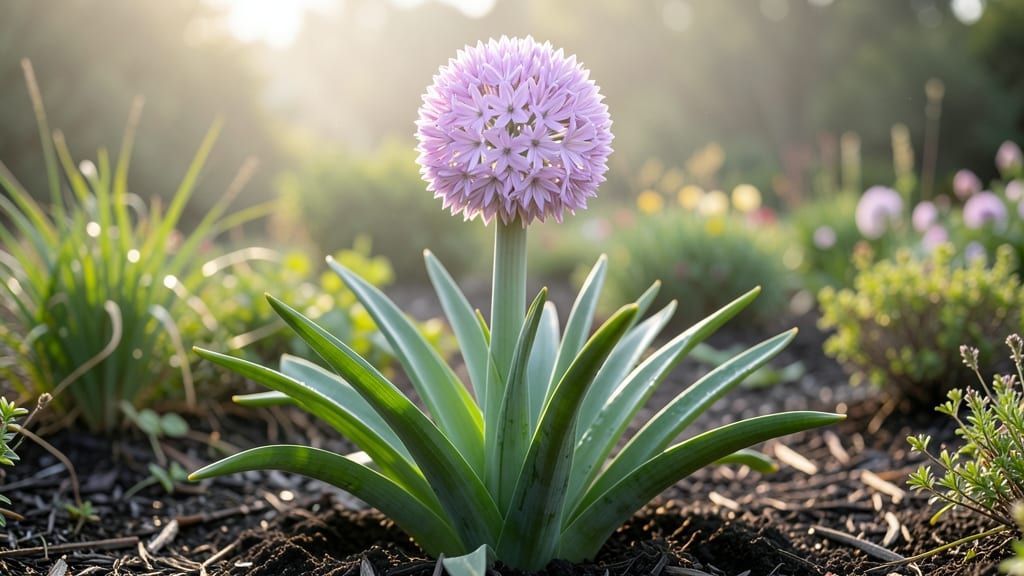
The giant allium bloom time delivers those showstopping 4-foot purple spikes in late spring to early summer, turning heads in any garden.
If you’ve ever dreamed of dramatic purple spikes reaching 4 feet tall in your garden, giant alliums (Allium giganteum) are your answer—but timing is everything.
These stunners bloom in late spring to early summer, but their exact schedule depends on your hardiness zone, elevation, and even last winter’s frost patterns.
In Zone 6a, where I garden, they typically burst into bloom by mid-May, but a late frost or cool spring can push that back by weeks.
The good news? With the right planting window and soil prep, you can coax earlier blooms or extend their show by a few weeks.
Below, I’ll break down the exact months to expect blooms in your zone, how to predict delays, and the simple tricks to make your giant alliums flower longer—so you don’t miss a single purple spike.
Giant Allium bloom time by USDA hardiness Zone: exact months to expect purple spikes
Giant alliums (Allium giganteum) are showstoppers in any garden, but their bloom timing varies dramatically across the U.S. Whether you're in Zone 3 with harsh winters or Zone 9 with mild winters, knowing your exact bloom window ensures you won’t miss their 4-foot-tall purple spikes.
These bulbs need consistent soil temperatures and frost-free conditions to trigger blooming, which is why elevation and microclimates play such a big role.
For mountain gardeners at 5,000+ feet elevation, blooms can arrive 2–3 weeks later than sea-level gardens in the same zone. Meanwhile, coastal areas in Zones 7–9 often see blooms 1–2 weeks earlier due to milder winters.
Let’s break down the exact months to expect blooms—and how to adjust if your season runs early or late.
Pro Tip: Use a soil thermometer to monitor temperatures. Giant alliums typically bloom when soil reaches 55–60°F for at least 2 weeks straight.
| USDA Zone | Avg. Bloom Window | Frost Risk | Elevation Adjustment | Planting Tip |
|---|---|---|---|---|
| Zone 3 | Late June–Early July | High (late frost) | +2 weeks for 3,000+ ft | Plant in May after soil warms |
| Zone 4 | Mid–Late June | Moderate (spring frost) | +1 week for 2,000+ ft | Use mulch to protect roots |
| Zone 5 | Late May–Early June | Low (occasional frost) | –1 week for coastal areas | Plant in fall for early blooms |
| Zone 6 | Early–Mid June | Minimal | Standard timing | Choose sunniest spot in garden |
| Zone 7 | Late May–Early June | Rare | –1 week for low elevation | Add compost for richer blooms |
| Zone 8 | Mid–Late May | None | +1 week for desert climates | Water deeply once weekly |
| Zone 9 | Late April–Early May | None | –2 weeks for coastal | Plant in winter for spring blooms |
In Zone 3, where winters are brutal, giant alliums often wait until late June to bloom because they need consistent warmth. Plant bulbs in May after the last frost date, and use a thick layer of mulch (3–4 inches) to insulate roots.
If you’re in Zone 4 or 5, aim for late May–early June blooms, but watch for late spring fro
How to predict and extend your giant Allium’s bloom season
Timing is everything when it comes to giant alliums. While these 4-foot purple spikes typically bloom in late spring to early summer, you can shift their schedule with a few strategic gardening tricks.
Understanding how soil temperature and planting dates influence bloom time lets you enjoy their dramatic display for weeks longer—or even push them into earlier seasons. Let’s break down how to predict and extend their bloom season like a pro.
First, soil temperature is the secret weapon. Giant alliums need consistent warmth (around 60°F) to trigger blooming. If your spring arrives late, consider using black plastic mulch or row covers to warm the soil faster.
For cooler climates, plant bulbs in well-draining raised beds—they heat up quicker than ground soil. Even a 5–10°F temperature boost can shift bloom time by 1–2 weeks.
- Plant bulbs 6–8 weeks before last frost for earliest blooms. Use early spring planting (Feb–March) in warmer zones (7–9).
- Add companion plants like lavender or catmint—they repel pests and delay frost damage to stems.
- Use black plastic mulch in early spring to raise soil temp by 5–10°F, speeding up growth.
- Harvest seed heads after blooming (June–July) and store in cool, dry place for next year’s earlier blooms.
- Fertilize with low-nitrogen (5-10-10) in early spring to boost flower production without leafy growth.
Strategic planting dates are another game-changer. In cooler zones (3–5), aim for late April planting to avoid early frosts. For warmer zones (7–9), plant in February—this tricks the bulbs into blooming earlier.
Pro tip: If you want extended blooms, stagger plantings every 2–3 weeks. This creates a rolling display from late spring into early summer.
Don’t overlook the power of companion planting. Pair giant alliums with drought-tolerant perennials like Russian sage or sedum. These plants reduce moisture stress and protect stems from wind damage, which can shorten bloom time. Avoid planting near aggressive spreaders like mint—they compete for nutrients and stunt growth.
Finally, harvesting seed heads is a must for next year’s longer bloom season. Once flowers fade (late June–July), cut the dried seed pods and store them in a paper bag in a cool, dark place.
Plant these seeds in fall or early spring—they’ll often bloom 1–2 weeks earlier than store-bought bulbs. This simple trick ensures your giant alliums steal the show year after year.
With these timing tricks, you’ll turn your garden into a purple paradise for weeks longer than the average bloomer. Start experimenting this season—your future self (and your neighbors!) will thank you. 🌸