Blooming
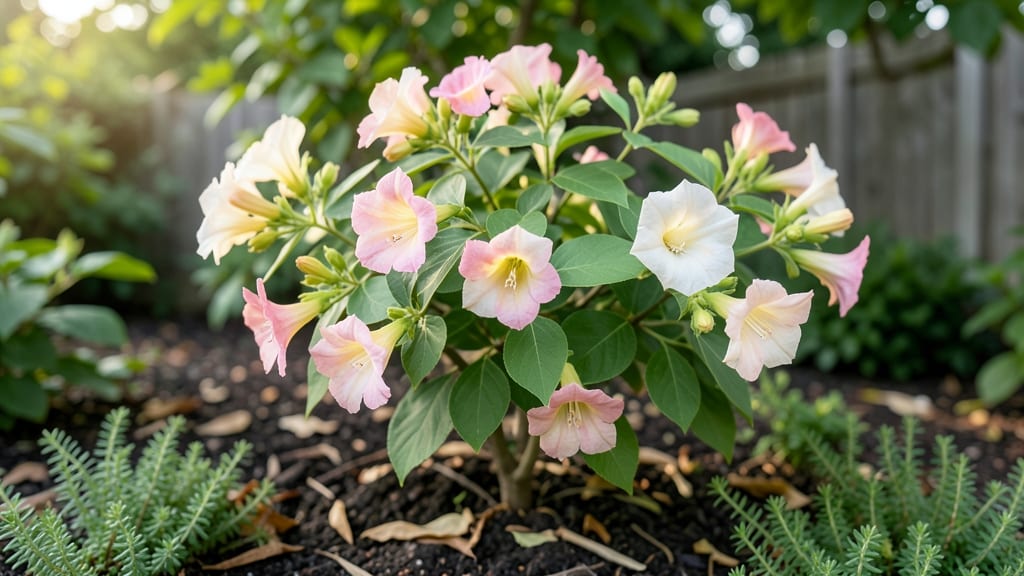
The honeysuckle bloom time depends entirely on your USDA zone and the variety you’ve chosen — some burst into fragrant flowers in late spring, while others wait until midsummer.
Struggling to time your honeysuckle planting for vibrant summer blooms? The wrong schedule can mean waiting years for those fragrant flowers—or never seeing them at all. 🌸
In Zone 6a, where spring arrives late, planting in April or May ensures blooms by June, but cooler zones may need an earlier start. Meanwhile, heat-loving varieties like Lonicera sempervirens thrive when planted in full sun, while others prefer partial shade.
Below, I’ll break down the exact planting windows by zone, how climate shifts bloom timing, and the 5 proven tips to extend your honeysuckle’s flowering season year after year.
Honeysuckle bloom time by USDA hardiness zones: exact months to plant
Timing your honeysuckle planting correctly ensures vibrant blooms that fill your garden with fragrance from late spring to early fall. But the right schedule depends entirely on your USDA hardiness zone—plant too early or late, and you risk stunted growth or winter damage.
Let's break down the exact planting months for each zone to maximize your honeysuckle's bloom potential.
Most gardeners focus on spring planting, but fall can be even better in warmer zones. The key is understanding your last frost date and how honeysuckle's dormant season aligns with your climate.
For example, in Zone 3, you'll need to plant 6 weeks before the last frost, while Zone 10 gardeners can plant year-round with minimal risk.
Here's a quick reference for optimal planting windows across all zones, including both spring and fall options where applicable:
| USDA Zone | Spring Planting | Fall Planting | Bloom Window | Notes |
|---|---|---|---|---|
| 3-4 | Mid-April to May | N/A | June-August | Cold-hardy varieties only; use mulch |
| 5-6 | Late April to early June | September | May-July | Fall planting needs 6+ weeks before frost |
| 7-8 | March-May | September-October | April-June | Best bloom with spring planting |
| 9-10 | January-March | September-November | February-April | Year-round planting possible |
Notice how Zone 9-10 gardeners enjoy the longest bloom windows and most planting flexibility? That's because these regions have milder winters and longer growing seasons. If you're in these zones, you can even plant honeysuckle in late fall for early spring blooms.
The key is ensuring roots establish before extreme heat arrives.
For Zones 3-6, I recommend sticking to spring planting unless you're experienced with fall transitions. These colder climates demand hardy varieties like Lonicera tatarica or Lonicera sempervirens, which handle sub-zero temperatures better than tropical hybrids. Always check your specific variety's cold tolerance before planting in fall.
One common mistake is planting too early in spring, which can lead to root rot if the soil is still cold and soggy. Aim to plant when soil temperatures reach 60°F (15°C)—this usually aligns with 2-3 weeks after your last frost date.
Use a soil thermometer if you're unsure, as honeysuckle roots need warmth to establish quickly.
Fall planting works best in Zones 7-10 because honeysuckle benefits from cool soil temperatures and established roots before summer heat arrives. For example, in Zone 8, planting in September gives roots time to grow before 100°F (38°C) summers.
Just be sure to water deeply after planting and use mulch to protect roots during winter.
Did you know that pruning time also affects bloom timing? If you prune too late in the season, you might delay next year's flowers. For most varieties, late winter/early spring pruning (just before new growth) is ideal.
This ensures you don't cut off next year's flower buds, which form on old wood in many honeysuckle types.
To extend your honeysuckle's bloom time, pair early and late blooming varieties. For example, plant Lonicera periclymenum (early summer) alongside Lonicera japonica (late summer). This creates a continuous fragrance display from May through September. Just ensure they share similar sunlight and soil requirements.
Remember, bloom time isn't set in stone—it's influenced by your microclimate, soil quality, and care routine. If your honeysuckle isn't blooming when expected, check for adequate sunlight (6+ hours daily), proper pruning, and balanced fertilization.
With the right timing and care, your honeysuckle will reward you with years of fragrant blooms.
How climate affects honeysuckle bloom time: heat vs. cold varieties
Choosing the right honeysuckle variety can make or break your bloom schedule. Native varieties like Lonicera sempervirens thrive in mild climates, while hybrids such as Lonicera periclymenum handle cooler temperatures.
The difference? Bloom timing shifts by months depending on whether your honeysuckle loves heat or cold. Let's break down how temperature extremes impact your fragrant vines.
Heat-loving honeysuckles, like Lonicera japonica, bloom earlier in spring or early summer when temperatures rise above 70°F. These varieties often produce longer bloom periods but may struggle in hotter climates without proper care.
Cold-hardy types, such as Lonicera tatarica, wait until late spring or early summer when frost risk has passed, ensuring healthier blooms in cooler regions.
| Variety | Climate Preference | Bloom Time | Temperature Range | Key Care Tip |
|---|---|---|---|---|
| Lonicera sempervirens | Mild/Warm | May-July | 60°F-85°F | Prune after blooming |
| Lonicera japonica | Heat-Tolerant | June-August | 70°F-95°F | Mulch heavily |
| Lonicera periclymenum | Cool-Temperate | July-September | 50°F-75°F | Plant in partial shade |
| Lonicera tatarica | Cold-Hardy | June-August | 40°F-80°F | Prune in late winter |
If you're in a hot climate, opt for heat-tolerant hybrids like Lonicera japonica to avoid bloom failure during heatwaves. These varieties often produce more flowers per stem but may require extra watering to prevent stress.
In cooler regions, native types like Lonicera sempervirens bloom earlier and handle light frosts better, making them ideal for USDA Zones 4-8.
Extreme temperatures can delay or stunt blooms. For example, late spring frosts may damage heat-loving varieties, while summer heatwaves can cause cold-hardy types to bolt prematurely. Always monitor your local microclimate—a south-facing wall can add 10°F of warmth, extending the bloom season for heat-sensitive varieties.
To maximize blooms, match your honeysuckle variety to your climate zone. If you're unsure, start with Lonicera sempervirens—it's versatile enough to adapt to mild to warm climates while still producing fragrant blooms reliably.
For cooler gardens, Lonicera tatarica is a low-maintenance choice that thrives in USDA Zones 3-7.
Remember, pruning timing also affects bloom schedules. Prune heat-loving varieties in late winter to encourage early blooms, while cold-hardy types benefit from spring pruning to avoid frost damage. With the right variety and care, you'll enjoy months of fragrant blooms—no matter your climate! 🌸