
How To
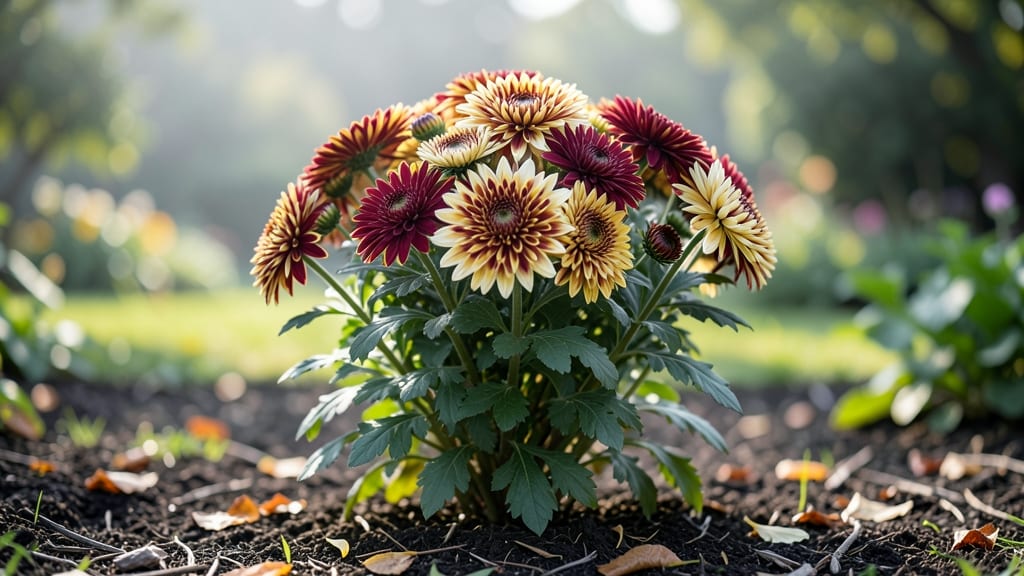
Mums typically bloom for 4 to 8 weeks, with late-season varieties showing the longest displays. The right growing conditions—like full sun, consistent moisture, and cooler autumn temperatures—can push that window even further.
Your mum's flowering period depends heavily on its type and care routine.
Late-season varieties often outlast their early-season cousins by 2-3 weeks because they're bred to handle cooler temperatures better. 🔥 For example, 'Autumn Joy' mums can keep blooming well into October with the right conditions, while 'Purple Dome' might only last 4 weeks if summer heat arrives early.
The key is balancing water (deep but infrequent soaking) and deadheading spent blooms—this encourages new flowers to form and extends the show.
What many gardeners don't realize is that mums actually bloom longer in cooler weather. When daytime temps drop below 75°F and nights dip into the 50s, the plants shift into their natural flowering cycle.
This is why late-summer planting (6-8 weeks before first frost) gives mums the best chance to establish roots before their peak blooming season. Proper soil prep—adding compost and ensuring good drainage—also makes a noticeable difference in how long those vibrant blooms last.
💡 In This Article
- Mums Bloom Duration by Variety: Late vs Early Season Types
- Pro Tips to Maximize Mum Flowering Time
Mums bloom duration by variety: late vs early season types
Chrysanthemums (commonly called mums) are bred into distinct seasonal varieties, each with genetic traits that determine their bloom duration. Early-season mums, like 'Bonanza' or 'Polar Bear', typically bloom for 4 to 5 weeks starting in late summer, but their flowering period shortens dramatically if summer heat persists beyond 85°F.
These varieties are less cold-hardy and often prioritize early blooming over longevity, making them ideal for warm-climate gardens where frost arrives late.
The real champions for extended blooms are late-season cultivars like 'Autumn Joy' or 'Mammoth', which can flower for 6 to 8 weeks when given proper care. These varieties contain genes that delay bud formation until cooler temperatures arrive, triggering a more prolonged bloom cycle.
For example, 'Autumn Joy' often continues flowering well into October in USDA Zone 5, while 'Purple Dome' might finish by mid-September in the same climate. The difference lies in their hybrid breeding—late-season mums combine cold tolerance with delayed senescence (aging) of flower buds.
Mid-season varieties like 'Bright Lights' or 'Vision' strike a balance, blooming for 5 to 6 weeks with moderate cold resistance. What sets them apart is their ability to handle brief heat spikes better than early mums but still produce vibrant displays when planted in early spring (rather than late summer).
The key genetic difference is their photoperiod sensitivity—they require 12-14 hours of daylight to trigger bud formation, which happens naturally in late summer when days shorten.
Color also plays a subtle role in bloom duration. Darker blooms like deep reds or purples tend to last slightly longer because their pigmentation helps protect against UV damage, which can accelerate wilting. Lighter colors may show more water stress under intense sunlight, causing blooms to fade faster.
For instance, a white mum like 'Snowball' might last 3-4 weeks in full sun without proper afternoon shade, while a burgundy 'Black Beauty' can extend to 5 weeks under the same conditions.
Here's what happens under the hood: Mums store energy in their roots during the growing season, and this reserve fuels their blooming period. Late-season varieties allocate more energy to root development before flowering, creating a larger "battery" for extended displays.
Early mums, however, prioritize quick above-ground growth, leaving less energy for prolonged blooming. This is why late-planted mums (after July 15 in most regions) often bloom longer—they have more time to establish roots before their natural flowering trigger.
One surprising factor is soil temperature. Mums planted in 60-65°F soil (measured 4 inches deep) develop stronger root systems than those in warmer soil. Cooler soil temperatures slow microbial activity, reducing root rot risks while encouraging deeper root penetration.
This root advantage translates directly to bloom duration—plants with robust root systems can sustain flowering for 2-3 weeks longer than those with shallow roots.