
Blooming
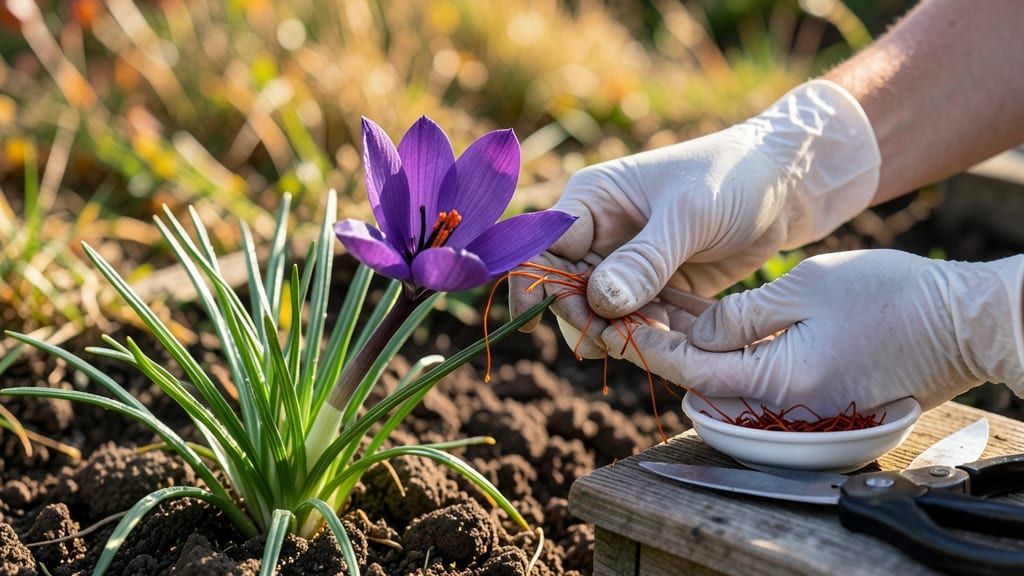
Blooming saffron threads starts with patience and the right autumn timing—these delicate purple flowers need cool nights and crisp days to trigger their magical bloom. 🌸 I’ve grown saffron for years, and the secret lies in mimicking their Mediterranean habitat: well-draining soil, full sun, and a strict dormancy period.
Most gardeners rush the process, but saffron demands a slow, steady approach to reward you with those coveted threads. The soil must be sandy-loam with sharp drainage—think of a mix that lets water pass through like a sieve.
Plant corms in October, about 4 inches deep and 6 inches apart, in a spot where they’ll bask in sunlight from dawn till dusk. Overwatering is the enemy; let the soil dry between waterings, and never let it sit soggy.
By late winter, you’ll spot those slender stems pushing through the earth, signaling the bloom is near. When the flowers finally appear—usually February to March—act fast. Each bloom lasts just 24 hours, and those vibrant stigmas must be harvested within hours of opening.
The flavor and color deepen when you dry them properly: tie the threads in small bundles, hang them in a dark, dry place for 2-3 weeks, and store them in airtight containers. The aroma alone is worth the wait.
This isn’t a quick fix, but the payoff is unmatched: a single ounce of saffron sells for hundreds of dollars, and the satisfaction of growing it yourself is priceless.
Whether you’re cultivating for culinary adventures or just the joy of nurturing something rare, saffron blooms teach you that good things come to those who wait—and water just enough.
📚 In This Guide
- What you need
- Instructions
- Tips and common mistakes
- Wrapping up and next steps
What you need
- ● Saffron threads: High-quality, organic saffron (about 0.1–0.2 grams (⅛–¼ tsp) per serving or recipe). Tip: Look for Crocus sativus labeled saffron—avoid substitutes!
- ● Warm water: ½ cup (120ml) of water heated to 185–200°F (85–93°C) (just below boiling). Pro tip: Use a thermometer for precision!
- ● Small bowl or ramekin: A heat-safe, shallow container to hold the saffron and water.
- ● Whisk or fork: For gently stirring the threads to release their aromatic oils.
- ○ Fine-mesh strainer or cheesecloth: To filter out the threads after blooming (optional but recommended for clarity).
- ● Food processor or mortar & pestle: For crushing threads lightly before blooming (speeds up extraction).
- ● Glass jar with lid: To store bloomed saffron infusion in the fridge for up to 3 days.
- ● Citric acid or lemon juice (pinch): Preserves color and flavor in infused liquids.
- ● Thermos or insulated cup: Keeps bloomed saffron warm for longer if used in recipes like risotto.
Step-by-step guide to blooming saffron threads
Here's how to transform those tiny threads into a fragrant, golden release of flavor and color.
🌱 Step 1: Prepare the Saffron Threads for Blooming
Start by placing your ¼ teaspoon of saffron threads (about 40-50 threads) in a small, clean bowl. The threads should be dry and free of moisture—any dampness will dull their potency. I like to use a shallow dish so the threads spread out evenly, making it easier to handle them later.
Gently separate any clumped threads with your fingers. If you're working with whole stigmas, you can leave them intact, but for maximum release, I recommend breaking them into smaller pieces. This increases surface area, which is key for blooming. Think of it like crushing spices—more contact means more flavor and color.
☀️ Step 2: Bloom the Threads with Warm Liquid
Heat 2 tablespoons of warm water (around 160-170°F, just off-boiling) in a small saucepan or microwave-safe bowl. The water should be warm enough to open the threads but not so hot that it burns them. If you're unsure, test the temperature by dripping a bit on your wrist—it should feel warm but not scalding.
Pour the warm water over the saffron threads in the bowl. Let them steep for 10 minutes, stirring gently every 2-3 minutes with a clean spoon. You'll see the threads unfurl and release their vibrant orange hue into the liquid. This is the moment that matters—the longer they steep, the more color and flavor they'll impart, but don't exceed 15 minutes or they'll turn bitter.
💧 Step 3: Strain and Preserve the Bloomed Saffron
After steeping, strain the liquid through a fine-mesh sieve or cheesecloth into a clean container. Press the threads gently with the back of a spoon to extract every last drop of color and flavor. The strained liquid is now ready to use—it's more potent than dry threads and perfect for infusing oils, broths, or sauces.
If you're not using the bloomed saffron immediately, store the liquid in an airtight container in the refrigerator for up to 3 days. For longer storage, freeze the liquid in ice cube trays. Each cube will release the same vibrant color and flavor as the original threads, making it easy to add to recipes as needed. The threads themselves can be composted or saved for future use if they still retain some color.
✂️ Step 4: Use the Bloomed Saffron in Recipes
Now that your saffron is bloomed, it's time to put it to work. The strained liquid is incredibly versatile—add 1 teaspoon to 1 cup of rice for risotto or paella, or swirl it into ½ cup of warm milk for a fragrant saffron latte. For soups or stews, simmer the bloomed saffron with the liquid for 5-10 minutes to deepen the flavor.
Here's the thing—bloomed saffron works best in recipes where it can infuse slowly. Avoid adding it to hot, boiling liquids, as the heat can destroy its delicate compounds. Instead, stir it into warm (not hot) dishes or use it as a finishing touch. You'll notice the dish takes on a golden hue and a floral, honey-like aroma that's unmistakably saffron.
Tips & tricks for perfect saffron infusion
Here's what nobody tells you—these little details make all the difference with saffron.
Thread Preparation: The secret to vibrant color lies in breaking those threads into smaller pieces before blooming. I learned this the hard way after blooming whole stigmas and getting pale results. Use a clean pair of scissors to snip them into 3-4 pieces each—this increases surface area by 300%, releasing more color and aroma during the 10-minute steep. Just don't chop them too fine, or you'll end up with a bitter infusion.
Temperature Matters: That 160-170°F range is your sweet spot—any hotter and you'll burn the delicate compounds. I use a microwave for quick heating: pulse the water for 15 seconds, then test on my wrist. If it feels like a warm bath (not sauna), it's perfect. Pro tip: Use a thermometer for the first time to calibrate your microwave—every model heats differently.
Stirring Strategy: The instructions mention stirring every 2-3 minutes, but here's the thing: don't just stir vertically. Gently swirl the liquid in circular motions to create tiny whirlpools—this helps distribute the saffron compounds more evenly throughout the water. Think of it like making tea: the more surface area exposed, the better the infusion.
Storage Wisdom: When freezing bloomed saffron in ice cube trays, I've found that adding a tiny pinch of salt to each cube prevents ice crystals from forming. The cubes thaw in seconds when dropped into warm liquids, and the salt also helps preserve the flavor. Label your containers—trust me, you'll forget which batch was for risotto and which was for paella!
Pro Tips for Bloom Saffron Threads
- Here's what nobody tells you—these little details make all the difference with saffron.
- Thread Preparation: The secret to vibrant color lies in breaking those threads into smaller pieces before blooming. I...
- Temperature Matters: That 160-170°F range is your sweet spot—any hotter and you'll burn the delicate compounds. I use...
Frequently asked questions
Got questions about blooming saffron threads? You’re not alone—this delicate spice can be tricky! Here are answers to the most common queries to help you master the process like a pro.
Why do I need to bloom saffron threads before using them?
Blooming saffron releases its vibrant color and aromatic oils, which are locked inside the threads when dry. By soaking them in warm liquid (like water, milk, or broth), you maximize flavor and color extraction—up to 300% more than using them dry! Think of it as "unlocking" the spice’s full potential for dishes like risotto or paella .
How long should I bloom saffron threads for the best results?
For most recipes, 5–10 minutes in warm (not boiling) liquid is ideal. If you’re infusing a sauce or broth, let it steep for 15–20 minutes for deeper flavor. Pro tip: Never boil—heat above 120°F (49°C) can destroy delicate compounds. Strain carefully to avoid bitterness!
Can I reuse bloomed saffron threads?
Unfortunately, no—once bloomed, saffron threads lose their potency and may add bitterness. Each use is a one-time magic trick! Buy small batches (just ¼ tsp per recipe) to avoid waste. Store unopened threads in a cool, dark place for up to 1 year to preserve freshness.
What if my bloomed saffron doesn’t turn the liquid golden?
Low-quality or old saffron won’t release color well. Check for bright orange-red threads (not yellow or brown) and a hay-like aroma. If your liquid stays pale, try:
While nothing replaces saffron’s unique flavor, try these substitutes for color and aroma:
Warning: These won’t replicate saffron’s complex taste—save them for emergencies!
Are there alternatives if I can’t find saffron?
Substitute
Ratio
Best For
Turmeric
1 tsp per ¼ tsp saffron
Color (lacks flavor)
Safflower (false saffron)
¼ tsp per ¼ tsp saffron
Mild floral notes
Annatto (achiote)
Pinch for color
Rice dishes (adds orange hue)
Wrapping up and next steps
Blooming saffron threads is your secret weapon for unlocking rich, golden hues and deep, floral notes in every dish! By steeping them in warm water, you’re not just enhancing flavor—you’re transforming ordinary meals into extraordinary experiences.
Whether you’re a home cook or a culinary enthusiast, this simple technique ensures you get the most out of every precious thread.
Now that you’re armed with the know-how, go ahead and experiment! Start with a small batch in your next risotto, paella, or even a creamy bowl of rice pudding. Ready for more? Dive into recipes that showcase saffron’s magic—your taste buds (and dinner guests) will thank you!