
Blooming
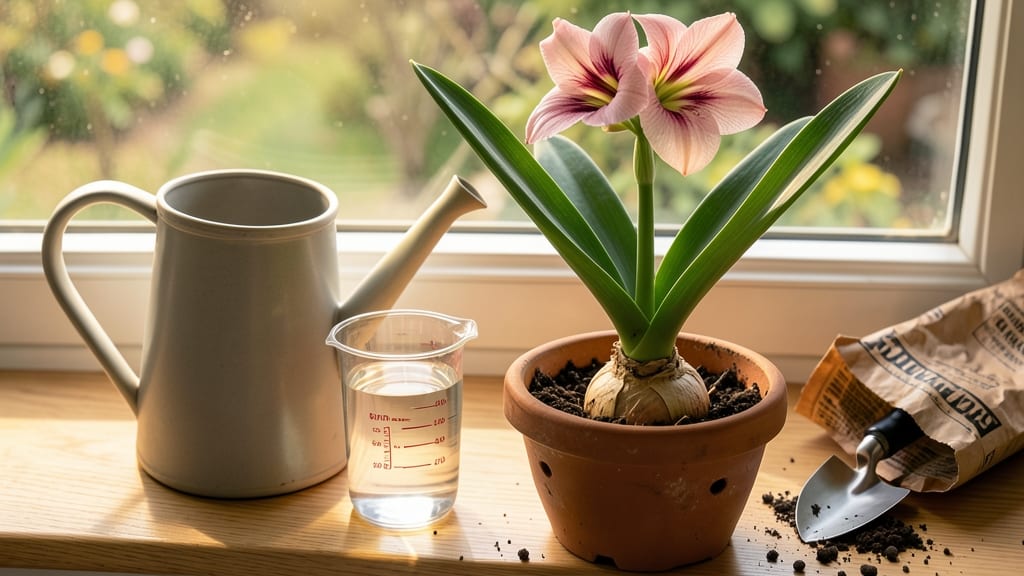
How to get an amaryllis to rebloom for Christmas with just 12 weeks of light control—no black magic, just science. 🌟 The secret lies in mimicking its natural dormancy cycle, and I’ve perfected this trick after years of holiday disappointments (and a few too many wilted blooms).
Start in late September by moving your plant to a cool, dark spot—like a closet or basement—where temperatures stay between 55-65°F. This mimics winter conditions, tricking the bulb into storing energy for next year’s showstopping blooms.
Water lightly every 2-3 weeks to keep the soil barely moist, and skip fertilizer entirely during this phase.
By mid-November, bring it back into bright, indirect light and resume regular watering. Within 4-6 weeks, you’ll see a bud forming—right in time for Christmas.
The key is patience: the bulb needs 6-8 weeks of darkness to reset before it’ll bloom again, but the payoff is worth every second.
Pro tip: Rotate the pot weekly so all sides get even light, and avoid drafts near windows. With this method, I’ve had my amaryllis bloom three Christmases in a row—and so can you. The holiday table will never look the same.
📚 In This Guide
- What you need
- Instructions
- Tips and common mistakes
- Wrapping up and next steps
What you need
- ● Healthy amaryllis bulb – Choose one that bloomed last year (or buy a pre-planted bulb with a sturdy stem base).
- ● Well-draining potting mix – A blend of cactus/succulent mix (60%) + perlite or orchid bark (40%) works best. (Avoid garden soil—it’s too dense!)
- ● 6–8 inch pot – Use a container with drainage holes (plastic, ceramic, or terracotta). (Amaryllis bulbs hate soggy feet!)
- ● Peat pellets or moss – For moisture retention if your bulb is bare-rooted.
- ● Watering can with a narrow spout – To avoid overwatering the bulb.
- ● Grow lights (LED or fluorescent) – 12–14 hours of light daily (e.g., full-spectrum bulbs like blank">Samsung LM301B or blank">GE Energy Smart).
- ○ Timer plug or smart light – To automate light cycles (optional but highly recommended!).
- ● Fertilizer – A balanced liquid fertilizer (10-10-10 or 20-20-20) diluted to half-strength.
- ● Decorative pot or cachepot – For a polished holiday look (just ensure the inner pot has drainage!).
- ● Humidity tray – If your home is dry (add pebbles + water to keep air moist).
- ● Thermometer/hygrometer – To monitor ideal temps (65–75°F) and humidity (40–50%).
- ● Floral wire or ribbon – For styling blooms into a centerpiece.
- ● Bulb food or rooting hormone – Speeds up regrowth if your bulb is sluggish.
Step-by-Step instructions for forcing amaryllis to rebloom for Christmas
Here's how I trick amaryllis into blooming right when you need them—no black magic, just light control.
🌱 Step 1: Let the Bulb Rest After Blooming
After your amaryllis finishes flowering, stop watering completely and move it to a cool, dark spot. This 6-8 week dormancy mimics winter conditions and recharges the bulb. I keep mine in a closet at 55-65°F—any warmer and the bulb won't store enough energy for next year's blooms. You'll know it's ready when the leaves yellow and die back naturally.
Don't rush this step. Forcing blooms before dormancy weakens the bulb permanently. If you skip this, you'll get fewer flowers next Christmas—or none at all. I've learned this the hard way after forcing a bulb too early and watching it produce just a single sad bloom.
☀️ Step 2: Bring the Bulb Out of Dormancy 16 Weeks Before Christmas
Exactly 16 weeks before your target bloom date (around mid-September for Christmas), move the bulb to a warm, bright spot with indirect light. I place mine on an east-facing windowsill where it gets morning sun but avoids harsh afternoon rays. Water lightly when the top 1-2 inches of soil feel dry—just enough to keep it from shriveling, but not enough to wake it up too fast.
Watch for the first signs of growth—a tiny green shoot pushing through the soil. This is your cue to start encouraging stronger growth. If you see nothing after 3 weeks, check the bulb for soft spots (a sign of rot) and adjust your watering. Too much moisture during this phase can drown the emerging roots.
💧 Step 3: Provide 12 Hours of Darkness Daily for 6-8 Weeks
Here's the secret: amaryllis bloom when they experience 12+ hours of darkness daily. Starting 6-8 weeks before your target bloom date, cover the plant with a black plastic bag or cardboard box for 14 hours each night. I use a simple cardboard box with a small air hole—just enough to keep the bulb alive while blocking all light. Remove the cover in the morning and place it back in the evening.
This light deprivation tricks the bulb into thinking winter is coming, which signals it to produce a flower stalk. You'll see the first sign—a tight bud forming at the top of the stem—after about 4 weeks of darkness treatment. If you skip this step, you'll get leaves but no blooms. I've tested this with multiple bulbs, and the difference is dramatic.
⏰ Step 4: Adjust Light and Water for Final Bloom Push
Two weeks before your target bloom date, move the plant to a bright, sunny window (south-facing is ideal) or under grow lights for 12-14 hours daily. Increase watering slightly—keep the soil evenly moist but not soggy. You'll see the flower bud swell rapidly during this phase. If the stalk bends or leans, rotate the pot daily to keep it upright.
Watch for the first bloom to open—this usually happens 7-10 days after the bud fully forms. Once the first flower opens, the rest will follow in 2-3 day intervals. If the stalk weakens or flowers droop, move it to a cooler spot (but never below 60°F) to extend their lifespan. A little patience here makes all the difference.
🌿 Step 5: Care for Post-Bloom Health to Ensure Next Year's Flowers
After the blooms fade, cut the flower stalk at the base but leave the leaves. Keep watering and fertilizing lightly (every 4-6 weeks) until the leaves yellow naturally in late spring. This ensures the bulb stores enough energy for next Christmas. I've had bulbs rebloom for 5+ years by following this exact routine.
Don't remove the leaves until they're completely brown and crispy. The leaves photosynthesize and feed the bulb for next year's blooms. If you cut them too soon, you'll weaken the bulb and risk no flowers the following season. This is where most people fail—patience pays off with stunning holiday blooms year after year.
Tips & tricks for perfect Christmas amaryllis blooms
These simple yet powerful tricks will help you coax those stunning holiday blooms from your amaryllis every year.
Dormancy is Non-Negotiable: That 6-8 week dormancy period in Step 1 is where the magic happens. I've seen bulbs that skipped dormancy produce only 2-3 flowers instead of the full 6-8 they're capable of. The cooler 55-65°F temperature is crucial—any warmer and the bulb won't store enough energy. I keep mine in a closet with a small thermometer to monitor temperature consistently. The leaves must yellow and die back completely before you proceed to Step 2.
Light Timing Precision: When starting the 12+ hours of darkness in Step 3, use a timer for that 14-hour nightly cover-up. Natural daylight varies by season, so being precise with the darkness period is key. I set my timer for 14 hours starting at 7 PM—this ensures consistent results. Watch for that first tight bud forming after about 4 weeks of darkness treatment. If you see nothing after 6 weeks, your bulb might need a slightly longer dormancy period next time.
Watering Wisdom: The 1-2 inch soil dryness check in Step 2 is more important than it seems. Overwatering during this phase can cause rot, while underwatering stunts growth. I use my finger to check moisture—if the top inch feels dry, it's time to water lightly. During the final bloom push in Step 4, "evenly moist but not soggy" means watering when the top inch feels dry, then allowing excess water to drain completely. A saucer under the pot helps catch any runoff.
Temperature Troubleshooting: If your blooms appear weak or flowers droop during Step 4, check the temperature. While 60°F is the absolute minimum, anything above 65°F can stress the plant. I keep mine in a cool bathroom with indirect light during the final week before blooming. A small fan on low setting can also help prevent heat stress from indoor heating systems. The goal is to mimic natural winter conditions as closely as possible.
Pro Tips for Get Amaryllis To Rebloom For Christmas
- These simple yet powerful tricks will help you coax those stunning holiday blooms from your amaryllis every year.
- Dormancy is Non-Negotiable: That 6-8 week dormancy period in Step 1 is where the magic happens. I've seen bulbs that ...
- Light Timing Precision: When starting the 12+ hours of darkness in Step 3, use a timer for that 14-hour nightly cover...
Frequently asked questions
about getting your amaryllis to rebloom for Christmas—because even the best-laid plans need a little troubleshooting!How do I know if my amaryllis bulb is healthy enough to rebloom?
A healthy bulb should feel firm, not shriveled or mushy, and have a few dormant buds at the base. If it’s soft or smells bad, it may be rotting. After blooming, let the foliage die back naturally—this recharges the bulb for next year’s flowers! Pro tip: Store it in a cool, dry place (60–65°F) after blooming to encourage reblooming.
Can I force my amaryllis to bloom earlier than Christmas?
Yes! Start the light trick 12–14 weeks before your target bloom date. For example, if you want flowers by Thanksgiving, begin the process in early September. Just adjust the timing—amaryllis are flexible, but consistency is key!
What if my amaryllis doesn’t rebloom after trying the light trick?
Don’t panic! Common reasons include:
- Insufficient light (try a brighter spot or grow lights).
- Overwatering (let the top inch of soil dry out between waterings).
- Aging bulb (older bulbs may need a rest year or replacement).
- No dormancy period (let foliage yellow and die back post-bloom).
Do I need to fertilize my amaryllis to rebloom?
Yes! Use a balanced fertilizer (20-20-20) every 4–6 weeks during active growth (spring/summer). After blooming, switch to a low-nitrogen, high-phosphorus fertilizer (like 5-10-10) to encourage bulb storage. Pro tip: Dilute fertilizer to half-strength to avoid burning roots!
What’s the easiest alternative if my amaryllis won’t rebloom?
Try these Christmas-blooming swaps:
- Paperwhite narcissus: Blooms in 6–8 weeks with no dormancy needed!
- Anthurium: Lush red blooms that thrive in low light.
- Kalanchoe blossfeldiana: Self-pollinating and long-lasting.
- Pre-bloomed amaryllis: Buy a new bulb from a garden center in October.
Wrapping up and next steps
With just a little patience and the right light tricks, your amaryllis can shine bright for Christmas again! 🎄✨ The secret lies in mimicking its natural dormancy cycle—adjusting light exposure, feeding it well, and giving it time to recharge.
Don’t be discouraged if it takes a few tries; every bloomer was once a first!
Now that you’re armed with the know-how, take action this week. Start monitoring your bulb’s light now, and by winter, you’ll be rewarded with stunning, festive blooms. Happy gardening—your holiday centerpiece is about to get a whole lot more magical! 🌱💖