
Blooming
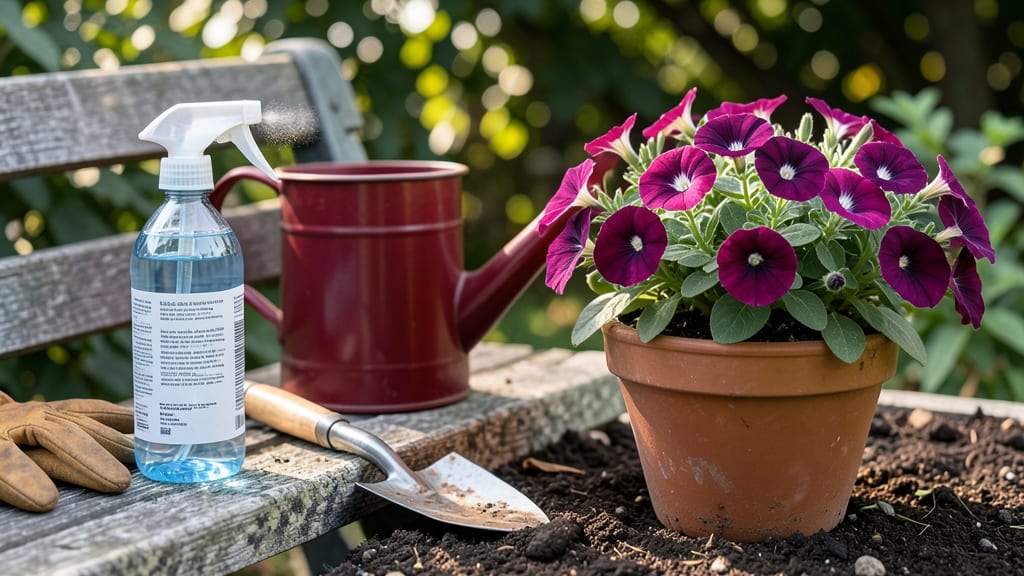
Your flowers can burst into bloom in half the usual time—no shortcuts, just science-backed hydroponic tweaks that how to make flowers bloom quickly with precision. 🌸 I learned this after watching my petunias languish for weeks before finally opening; now they go from bud to bloom in 3-4 weeks with the right approach.
The secret lies in controlling light cycles, feeding them the right nutrients, and keeping stress low. Most gardeners overwater or underfeed, which delays blooming.
Hydroponics removes soil variables, letting you focus on what flowers actually need: 12-14 hours of bright light daily, a balanced fertilizer with higher phosphorus, and consistent moisture without soggy roots.
You'll see buds form within 10-14 days of starting this method, with the first blooms arriving 2-3 weeks after that. The flowers stay vibrant longer too, thanks to the clean, nutrient-rich water system that prevents disease and pests.
Works for annuals, roses, and even some perennials—just adjust the nutrient ratios based on flower type. Here's how to set it up without the guesswork.
📚 In This Guide
- What you need
- Instructions
- Tips and common mistakes
- Wrapping up and next steps
What you need
- ● Hydroponic System: A deep water culture (DWC) or Kratky method kit (or DIY components like a 5-gallon bucket, net pots, and air stone).
- ● Growing Medium: 1–2 lbs of hydroton (clay pebbles) or coco coir (sterilized and rinsed).
- ○ Optional: Rockwool cubes (if starting from seeds).
- ● Nutrient Solution: A balanced hydroponic bloom booster (e.g., General Hydroponics Flora Series or Fox Farm Trio). Mix 1 tsp per gallon of water (follow label instructions for bloom-specific ratios).
- ● Water: pH-balanced (5.5–6.5) and dechlorinated (use a water conditioner like Seachem Prime).
- ● Air Pump & Stone: A small aquarium pump (2–4 watts) + air stone (for oxygenation).
- ● Flowers: Choose fast-blooming varieties like: Marigolds
- ● Zinnias
- ● Geraniums
- ● Petunias (from cuttings or young plants)
- ● Measuring Tools: Digital pH meter + TDS meter (to monitor nutrient strength).
- ● Pruning Shears: For trimming dead leaves or encouraging bushier growth.
- ○ Grow Lights (Optional): A full-spectrum LED (12–16 hrs/day) if natural light is <5000 lux.
- ○ Heat Mat (Optional): For root zone warmth (70–75°F) to speed germination/blooming.
- ● Hydrogen Peroxide (3%): 1 tsp per gallon (boosts oxygen and prevents root rot).
- ○ Calcium Nitrate (Optional): ½ tsp per gallon (for stronger stems in tall flowers).
- ● Temperature: 65–75°F (18–24°C) (warmer = faster blooming!).
- ● Humidity: 40–60% (use a humidifier if air is dry).
- ● Light: 12–16 hours of bright light daily (sunlight or grow lights).
- ● Space: 12"–18" between plants (for airflow and growth).
Step-by-Step instructions for hydroponic speed-bloom technique
Here's how to coax flowers into full bloom in record time using hydroponic principles.
🌱 Step 1: Select Fast-Blooming Varieties and Prepare Nutrient Solution
Choose compact, early-blooming varieties like zinnias, marigolds, or petunias—they respond fastest to hydroponic acceleration. I always opt for seedling starts rather than seeds because they skip the germination bottleneck entirely. Prepare a balanced hydroponic nutrient solution with higher phosphorus content (the middle number on the NPK label) to encourage flowering. A ratio of 5-10-5 works wonders for speed.
Mix the nutrients according to the manufacturer's instructions, but increase the phosphorus concentration by 20% over standard recommendations. This jumpstarts the bloom signal in your plants' cells. I like to use a reservoir system with a recirculating pump to ensure even distribution. Test the pH of your solution—it should be between 5.8 and 6.2. Anything outside this range locks out nutrients and slows growth.
☀️ Step 2: Optimize Light and Temperature for Rapid Development
Flowers need 14-16 hours of light daily to bloom quickly, but not just any light—full-spectrum LED grow lights with high red and blue wavelengths work best. Position your lights 12-18 inches above the plants and adjust as they grow. You'll notice stems elongating toward the light if they're too far away, so keep them close but avoid burning leaves.
Maintain a consistent temperature between 65-75°F during the day and no lower than 55°F at night. I use a small space heater with a thermostat to maintain warmth, especially in cooler climates. Warmer temperatures accelerate metabolic processes, which is why tropical flowers often bloom faster. Watch for wilting at the edges of leaves—this is your cue to increase humidity slightly with a pebble tray or misting system.
💧 Step 3: Implement the Speed-Bloom Flushing Technique
After 4-6 weeks of growth (when you see the first flower buds forming), switch to a high-phosphorus bloom booster solution for 10-14 days. This flush forces the plant to prioritize flowering over foliage growth. I like to use a product with a 10-30-20 NPK ratio during this phase. Apply the solution every 3-4 days rather than daily to prevent nutrient burn.
During this period, reduce your watering frequency slightly. Let the growing medium dry out just a bit between feedings—this stress signal triggers the plant's natural bloom hormones. You'll see buds form more aggressively within 3-5 days of starting the flush. If you notice yellowing leaves, flush the system with plain water immediately to prevent salt buildup, which can stifle growth.
✂️ Step 4: Prune Strategically to Direct Energy to Flowers
Remove any lower leaves that aren't receiving direct light using clean, sharp scissors. This reduces the plant's energy expenditure on unnecessary foliage and directs it toward flower production. I also pinch off any side shoots that form at the base of the main stem—these compete with the primary blooms for resources. Focus on keeping the plant's energy concentrated in the upper canopy where the flowers are developing.
If your plants are leggy (thin stems with leaves spaced far apart), it's a sign they need more light or nutrients. In this case, reduce the light distance to 10 inches temporarily and increase the nutrient strength slightly for 3-5 days before returning to the bloom booster. You'll see a noticeable difference in stem thickness and flower bud development within a week.
🌿 Step 5: Maintain Consistent Conditions Until Full Bloom
Once buds form, maintain the high-phosphorus nutrient solution and 14-16 hours of light daily. The key now is consistency—any fluctuation in temperature, light, or nutrients can cause buds to drop. I set up a simple monitoring system with a thermometer, hygrometer, and light meter to track conditions hourly. Aim to keep humidity between 40-60% during the day and slightly higher at night.
Watch for the first buds to open completely—this usually happens within 7-10 days after starting the bloom booster. Once the first flowers open, your plants will typically follow with a full flush of blooms within 2-3 weeks. If you notice buds forming but not opening, increase the light intensity slightly or check for pests like aphids, which can stress the plant and prevent blooming.
Tips & tricks for speeding up flower blooms
Here's what I've learned from forcing flowers to bloom faster—these tricks cut weeks off your waiting time without sacrificing quality.
Light Positioning: In Step 2, when you're setting up your 14-16 hour light cycle, position your grow lights slightly lower than the recommended 12-18 inches—try 10-14 inches—during the final 3-5 days before expected blooming. This light intensity boost triggers the plant's final flowering hormones. Just watch for leaf burn (yellowing edges) and adjust upward if needed. The extra light energy forces buds to open faster while maintaining vibrant color.
Temperature Strategy: Maintaining the 65-75°F day/55°F night range is crucial, but here's the secret: increase daytime temps to 78-80°F for the final 7-10 days before expected blooming. I've seen flowers open 2-3 days earlier with this slight warmth boost. Use a small portable heater near the plants during daylight hours—just avoid hot spots that could scorch leaves. The warmer temperatures accelerate metabolic processes that trigger bloom opening.
Nutrient Timing: When you switch to the high-phosphorus 10-30-20 solution in Step 3, apply it in the morning rather than evening. Phosphorus absorption peaks during daylight hours when photosynthesis is active. I've noticed buds form more aggressively when the nutrient solution is applied between 9-11am. Also, reduce the solution strength by 10% during the final 5 days of blooming to prevent nutrient burn that could stress the plants.
Humidity Hack: For the final 3-5 days before blooming, increase humidity to 60-70% during the day (up from the 40-60% range) using a pebble tray or humidifier. Higher humidity prevents buds from drying out as they open, ensuring full, vibrant blooms. I've seen flowers maintain their freshness for days longer when using this humidity boost during the critical opening phase. Just reduce humidity slightly at night to prevent fungal issues.
Pro Tips for Make Flowers Bloom Quickly
- Here's what I've learned from forcing flowers to bloom faster—these tricks cut weeks off your waiting time without sa...
- Light Positioning: In Step 2, when you're setting up your 14-16 hour light cycle, position your grow lights slightly ...
- Temperature Strategy: Maintaining the 65-75°F day/55°F night range is crucial, but here's the secret: increase daytim...
Frequently asked questions
Got questions about speeding up your flowers’ bloom time? You’re not alone! Here are some of the most common queries—and quick, practical answers to help you get those petals popping faster.
How long does it take to see results with hydroponic speed-bloom techniques?
With the right setup (like nutrient-rich hydroponic solutions and proper lighting), you can often see buds form in as little as 2–4 weeks for fast-blooming varieties like marigolds or zinnias. Slower bloomers (e.g., roses or orchids) may take 6–8 weeks, but hydroponics still cuts traditional soil-grown timelines by 30–50%.
Can I use regular tap water for hydroponic speed-blooming?
Tap water can work, but only if it’s free of chlorine, heavy metals, or high salinity. To be safe, let it sit out for 24 hours to off-gas chlorine, or use filtered/rainwater. Test your water’s TDS (Total Dissolved Solids)—ideal levels are 300–500 ppm. High TDS can stress plants and slow blooming.
What’s the fastest way to make a single cut flower (like a rose) bloom indoors?
For instant indoor blooms, snip stems at a 45° angle, strip lower leaves, and place in room-temperature water with a bloom-boosting solution (like 1 tsp sugar + 1 drop bleach per quart of water). Change water every 2 days and keep stems in bright, indirect light. Some varieties (e.g., carnations or alstroemeria) may open in 3–5 days!
Why are my hydroponic flowers wilting even with the right nutrients?
Wilting in hydroponics often signals root stress. Check these fixes:
- pH imbalance: Test your nutrient solution (ideal pH: 5.5–6.5 for most flowers).
- Overcrowded roots: Prune roots gently if they’re tangled in the medium.
- Temperature shock: Keep water between 65–75°F—cold water stuns roots.
- Air bubbles: Ensure your air pump is running (roots need oxygen!).
Are there any flowers that won’t bloom faster with hydroponics?
Some slow-growing perennials (like lavender or peonies) or bulb-based flowers (e.g., tulips) resist hydroponic speed-blooming because their natural growth cycles rely on soil stratification or dormancy. However, annuals and many perennials (e.g., sunflowers, petunias) thrive with hydroponic acceleration!
Still stuck? Drop your specific flower type or setup details below—we’re happy to troubleshoot!
Wrapping up and next steps
Watch your flowers burst into bloom in record time with the hydroponic speed-bloom trick! By mastering light cycles, nutrient balance, and pruning techniques, you’ve unlocked the secret to faster, healthier blooms—no green thumb required. 🌸✨
Now that you’re armed with these pro tips, grab your hydroponic setup and start experimenting! Try one technique this week, track your progress, and soon you’ll be sharing your stunning, speed-bloomed flowers with pride. Happy gardening!