
Blooming
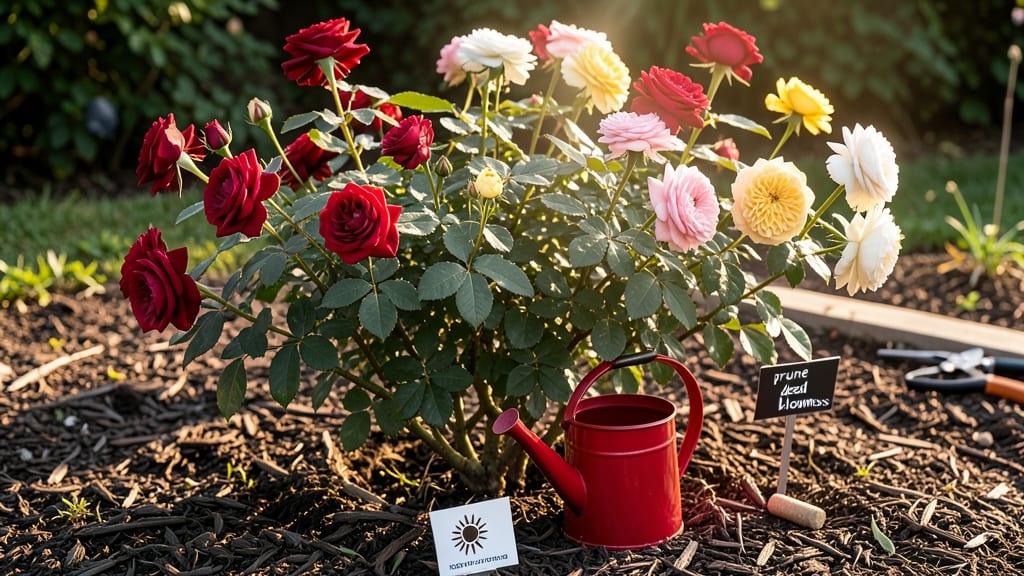
Your roses could produce three times more blooms this season with just three key adjustments—pruning, light, and feeding. 🌹 I’ve watched my own bushes go from sparse stems to overflowing with flowers by focusing on these three areas, and the secret isn’t complicated: it’s about timing, consistency, and knowing what roses actually need to thrive.
The biggest mistake gardeners make is pruning at the wrong time or too aggressively. Cut back dormant canes in late winter (before buds swell) to shape the plant and encourage strong new growth.
Feed with a balanced rose fertilizer every 4-6 weeks during the growing season, and make sure they get at least 6 hours of direct sunlight daily—shady spots mean fewer blooms, no matter how much you feed them.
By mid-summer, you’ll see the payoff: clusters of buds forming where there were once bare stems. The key is pruning spent blooms regularly to redirect energy into new flowers, not seed production.
I’ve had roses bloom nonstop from June through frost using this method—even in hot, humid climates where roses usually struggle.
Works for hybrid teas, floribundas, and shrub roses alike. The only real rule? Don’t rush it. Roses reward patience with bigger, longer-lasting blooms. Let’s get those stems blooming like crazy.
📚 In This Guide
- What you need
- Instructions
- Tips and common mistakes
- Wrapping up and next steps
What you need
- ● Pruning shears – Sharp, clean, and disinfected (1 pair, bypass-style recommended for precision cuts).
- ● Gloves – Heavy-duty gardening gloves (1 pair) to protect against thorns and dirt.
- ● Organic or balanced fertilizer – Look for a rose-specific formula (e.g., 10-10-10 or 5-10-5 NPK ratio). Quantity: 1–2 lbs per 100 sq. ft. of garden bed.
- ○ Compost or well-rotted manure – Optional but highly recommended for soil enrichment (5–10 gallons per plant, mixed into the top 6 inches of soil).
- ● Mulch – Organic mulch like straw, wood chips, or pine needles (2–3 inches thick, applied around the base of the rose bush).
- ● Watering can or hose with a gentle spray nozzle – Deep watering is key! (1–2 gallons per plant, 2–3 times per week, depending on climate).
- ● pH test kit – To check soil acidity (ideal pH for roses: 6.0–6.5).
- ● Epsom salt (magnesium sulfate) – 1 tablespoon per gallon of water (for greenhouse roses or nutrient-deficient soil).
- ● Rose food or bloom booster – Liquid or granular (e.g., Miracle-Gro for Roses) for extra nutrients.
- ● Slow-release fertilizer spikes – Convenient for timed nutrient release (follow package instructions).
- ● Copper fungicide – Preventative measure against black spot or powdery mildew (spray as needed).
- ● Reflective mulch or aluminum foil – Helps warm roots in early spring for faster blooming.
- ● Pruning sealant – Not always necessary, but can help large cuts heal faster (use sparingly).
Step-by-Step instructions for maximizing rose blooms
Here's the method I've used to coax roses into nonstop flowering—no fancy tools, just smart timing and care.
✂️ Step 1: Prune Correctly in Late Winter/Early Spring
Wait until late winter or early spring when the ground is thawed but before new growth begins. I look for the first signs of swelling buds—those tell me it's time. Using clean, sharp pruners, cut back to an outward-facing bud just above a set of five leaflets. This encourages the plant to send energy outward instead of inward.
Remove any dead, diseased, or crossing branches first. These compete for nutrients and block airflow, which leads to fungal issues. I always sterilize my pruners with rubbing alcohol between cuts to prevent spreading disease. Aim to open up the center of the plant so light and air can reach all the way in.
☀️ Step 2: Position for Full Sun and Adjust Seasonally
Roses need 6-8 hours of direct sunlight daily for maximum blooming. If your roses are in partial shade, consider transplanting them to a sunnier spot. In my zone, I notice the biggest difference when I move them to their sunniest location by mid-March—just as the days start lengthening.
Watch for leaves that look pale or yellow—this is a sign of insufficient light. If you can't relocate them, supplement with a grow light for 4-6 hours daily during cloudy periods. The key is consistency; roses won't bloom well if they suddenly get more sun after being in shade.
💧 Step 3: Water Deeply and Consistently
Water roses at the base 1-2 inches per week, letting the top 4-6 inches of soil dry out between waterings. I use a soaker hose to deliver water slowly at the root zone, which prevents wetting the foliage and reduces disease risk. Early morning watering is best—it gives leaves time to dry before evening humidity sets in.
You'll know you're doing it right when the soil feels like a wrung-out sponge. Overwatering is the number one mistake I see—roses hate soggy roots. If the soil stays wet for more than a day, you're watering too much. Mulch with 2-3 inches of organic mulch to retain moisture and regulate soil temperature.
🌿 Step 4: Feed with Balanced Fertilizer and Organic Boosters
Start fertilizing in early spring with a balanced rose fertilizer (10-10-10), following the package rate. I switch to a bloom-boosting formula (5-10-5) once buds form to encourage more flowers. Organic options like fish emulsion or compost tea work well too—just dilute them properly to avoid burning roots.
Here's the thing—I always add a handful of Epsom salt (magnesium sulfate) every 4-6 weeks. It prevents yellowing between veins and keeps foliage vibrant. I also side-dress with aged compost in late spring to replenish nutrients naturally. The goal is steady nutrition without overfeeding, which can lead to lush foliage but few blooms.
⏰ Step 5: Deadhead and Prune for Continuous Blooming
Deadhead spent blooms immediately after they fade. I use my fingers to pinch off the flower head down to the first set of five leaflets below it. This redirects the plant's energy from seed production to creating new buds. For repeat-blooming varieties, I also do a light summer pruning in early July to remove any long, leggy stems and encourage fresh growth.
Watch for suckers—those are shoots growing from the base or below the graft union. Remove them promptly so they don't drain energy from your main plant. I make it a habit to do a quick inspection every time I water. Healthy roses will reward you with new buds forming within 4-6 weeks of proper deadheading.
Tips & tricks for nonstop rose blooms
These are the secrets I've learned after years of watching my roses transform from occasional bloomers to flowering machines.
Pruning Precision: When you're cutting back in Step 1, make your cuts at a 45-degree angle just above an outward-facing bud. This creates a natural water runoff path that prevents disease. I always count five leaflets below the bud—this ensures you're cutting at the right spot for maximum growth energy. The angle also exposes more surface area for photosynthesis.
Light Optimization: The 6-8 hours of sunlight in Step 2 is non-negotiable, but here's the thing—morning sun is more valuable than afternoon. Position your roses to catch the eastern sun first. If you're supplementing with grow lights in Step 2, place them 6-12 inches above the plant and use a timer for those 4-6 hours. Roses won't bloom well if they get inconsistent light patterns, so keep it predictable.
Watering Wisdom: That 1-2 inches per week in Step 3 is a guideline, but the real test is soil texture. Stick your finger 2-3 inches into the soil—if it feels like a wrung-out sponge, you're good. I've learned the hard way that roses hate soggy roots, so always water at the base and avoid wetting the foliage. The 2-3 inches of mulch in Step 3 isn't just for looks—it regulates temperature and keeps moisture consistent.
Fertilizer Timing: The switch from 10-10-10 to 5-10-5 in Step 4 is crucial. I time my first application of the bloom-boosting formula right when I see the first buds swelling. The Epsom salt every 4-6 weeks is my secret weapon—it's like a vitamin boost for the plant. Just be careful not to overdo it; too much magnesium can cause its own set of problems. I always mix it with water and apply it to the soil surface.
Pro Tips for Make Roses Bloom More
- These are the secrets I've learned after years of watching my roses transform from occasional bloomers to flowering m...
- Pruning Precision: When you're cutting back in Step 1, make your cuts at a 45-degree angle just above an outward-faci...
- Light Optimization: The 6-8 hours of sunlight in Step 2 is non-negotiable, but here's the thing—morning sun is more v...
Frequently asked questions
Got questions about maximizing your roses' bloom potential? Here are answers to the most common ones!
Why aren’t my roses blooming even after pruning and fertilizing?
If your roses still aren’t blooming, check these key factors: light (they need 6+ hours of sunlight daily), water (1–2 inches per week), and soil health (test pH—roses thrive at 6.0–6.5). Overcrowded roots or pests (like aphids) can also stunt growth. Try a balanced rose fertilizer with micronutrients like magnesium and iron.
How long does it take for roses to bloom after pruning?
New growth appears in 2–4 weeks after pruning, but blooms typically take 6–8 weeks to form. Early spring pruning (just before buds swell) encourages the fastest rebound. For repeat bloomers, deadhead spent flowers immediately to redirect energy to new buds.
Can I use coffee grounds or eggshells to boost rose blooms?
Coffee grounds
(used sparingly) add nitrogen and acidity, while crushed eggshells provide calcium for strong stems. Mix them into the soil or use as mulch. For extra nutrients, try compost tea or a fish emulsion fertilizer (rich in phosphorus for blooms). Just avoid overdoing it—roses prefer balanced feeding.
Do roses need full sun to bloom, or can they grow in partial shade?
Roses prefer full sun (6+ hours daily) for maximum blooms, but some varieties (like David Austin English roses) tolerate 4–6 hours of sunlight. In shadier spots, choose hybrid teas or floribundas and ensure well-draining soil. If light is limited, supplement with a phosphorus-rich fertilizer to encourage flowering.
What’s the best way to revive a rose bush that’s stopped blooming?
Start with a deep watering (1–2 inches) to rehydrate roots, then prune dead or diseased wood to redirect energy. Apply a bloom-boosting fertilizer (high in phosphorus, like 10-20-10) and mulch with compost to retain moisture. If pests are the issue, treat with neem oil or insecticidal soap. Patience is key—revival can take 4–6 weeks.
Wrapping up and next steps
With the right care, your roses can burst into vibrant, long-lasting blooms—and the secret isn’t as complicated as you think!
From strategic pruning and sunlight optimization to balanced feeding and pest management, these simple steps will transform your garden into a floral paradise. 🌹✨ Start small: pick one tip from this guide and test it this season.
Before you know it, your roses will be blooming nonstop, rewarding your efforts with beauty and joy.
Now grab those shears, step outside, and watch your garden thrive—your future bouquets are waiting! 🌿💐