Blooming
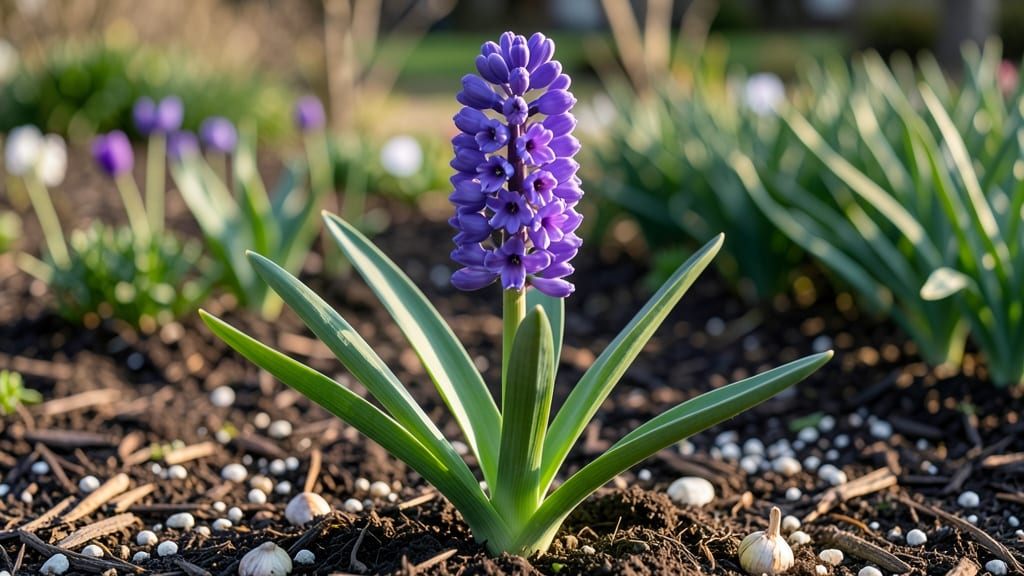
Your hyacinths bloom in late winter to early spring 🌷, but timing varies by variety and climate — and that’s the secret to planning a garden full of fragrance.
If you’ve ever wondered why your hyacinths bloom at different times—or how to time their fragrance explosion for maximum garden enjoyment—this guide unlocks the secret calendar behind their stunning displays.
From the earliest pink blooms in February to the bold purple spikes of April, each variety has its own schedule, influenced by your USDA zone and even the bulb’s chilling history.
Here’s how to predict your hyacinth bloom time by variety, adjust it with simple care tricks, and keep those fragrant spikes coming back year after year.
Hyacinth bloom time chart: when each variety peaks by color and type
Timing your hyacinth blooms isn't just about luck—it's about choosing the right variety for your climate zone. Most hyacinths burst into color between late winter and early spring, but some varieties defy expectations with early February or late April displays.
Understanding these windows helps you create a fragrance calendar that fills your garden with scent from January through May. Let's break down the bloom schedules by color and type so you can plan your garden's perfumed timeline.
Your USDA zone plays a crucial role in bloom timing. In Zones 3-5, expect blooms to arrive 2-4 weeks earlier than in Zones 8-10, where milder winters delay the show.
For example, my 'Woodstock' hyacinths in Zone 6 bloom in mid-March, while the same variety in Zone 9 waits until late April. The key is selecting varieties that align with your local frost dates to avoid late-season frost damage to delicate blooms.
Color matters too—purple and blue varieties often bloom earlier than pinks and whites, which tend to be late-season performers. This natural progression creates a stunning color cascade in your garden beds. For instance, 'Delft Blue' typically blooms in February, while 'Pink Pearl' waits until April. By mixing these varieties, you can extend your garden's fragrant season by nearly three months.
Here's a quick reference for the most popular hyacinth varieties and their typical bloom windows across USDA zones:
| Variety | Color | Bloom Time (Zones 3-5) | Bloom Time (Zones 6-7) | Bloom Time (Zones 8-10) | Height (inches) |
|---|---|---|---|---|---|
| 'Anna Marie' | Deep Pink | Late Feb - Early Mar | Mid Mar - Early Apr | Late Apr - Early May | 12-18 |
| 'Delft Blue' | Blue | Early Feb - Mid Feb | Late Feb - Early Mar | Mid Mar - Late Mar | 10-14 |
| 'Woodstock' | White | Mid Mar - Early Apr | Late Mar - Mid Apr | Early May - Mid May | 14-18 |
| 'Jan Bos' | Purple | Early Feb - Mid Feb | Late Feb - Early Mar | Mid Mar - Late Mar | 12-16 |
| 'Pink Pearl' | Pink | Late Mar - Early Apr | Mid Apr - Late Apr | Early May - Mid May | 10-14 |
| 'City of Haarlem' | Red |
How to extend hyacinth bloom time naturally: light, temperature, and care hacksHyacinths are famous for their intense fragrance and vibrant colors, but their bloom time can feel disappointingly short. The good news? With a few science-backed adjustments, you can extend their flowering by 1-2 weeks or even shift their timing to match your garden’s fragrance goals. The secret lies in controlling their chilling requirements, light exposure, and post-bloom care. Hyacinth bulbs need a cooling period (called vernalization) to trigger blooming. Most varieties require 12-16 weeks below 50°F (10°C). If your climate doesn’t provide this naturally, you can simulate it indoors or adjust planting times to stretch their display. Even small tweaks—like light placement or fertilizer timing—can make a big difference in how long your hyacinths perfume your garden. 🌱 5 Proven Ways to Extend Hyacinth Bloom Time
For indoor hyacinths, place them in a bright, cool room (60-65°F) after forcing to delay wilting. Natural light is key—south-facing windows or grow lights can add 3-5 extra days of vibrant blooms. Even outdoor hyacinths benefit from reflective surfaces (like white mulch) to bounce light onto their leaves. After blooming, never cut foliage until it turns yellow—this process feeds the bulb for next year’s longer, more abundant blooms. If you’re growing hyacinths in containers, bury bulbs deeper (8 inches) to insulate them from temperature swings and extend their display. Pairing early and late varieties (like ‘Woodstock’ and ‘Delft Blue’) can also create a continuous fragrance show from February to April. Pro tip: Mulch heavily around outdoor hyacinths in late fall with straw or leaves to protect bulbs from temperature fluctuations and encourage stronger regrowth. This simple step can add up to 10 days to next season’s blooms by preserving bulb health. |