
Blooming
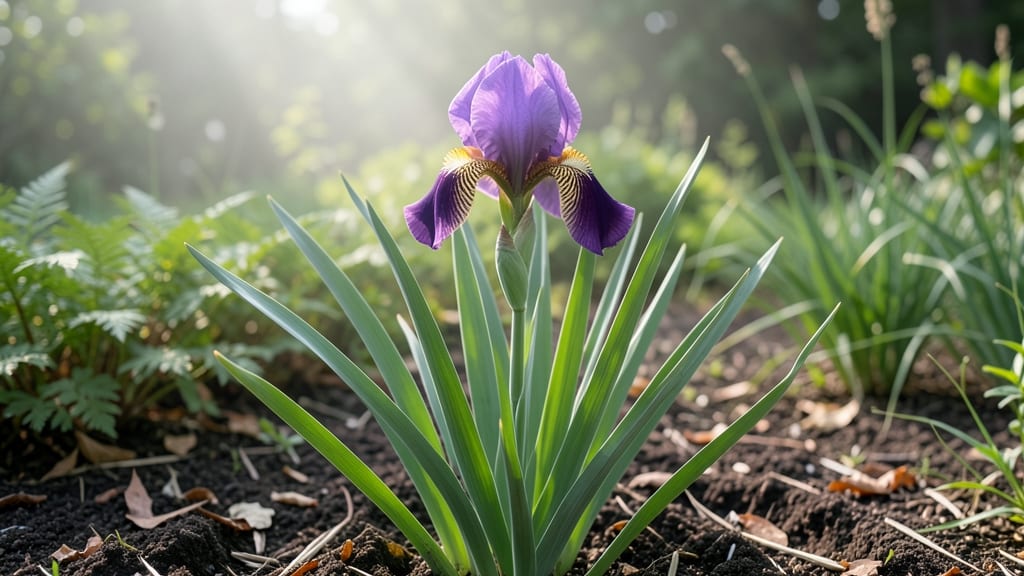
Iris plants typically bloom in spring, with timing that varies by zone and variety—think vibrant 🌸 displays from April to June in most regions.
Wondering when your irises will burst into vibrant blooms? The timing depends on your hardiness zone—and getting it right means stunning flowers year after year.
In Zone 6a, like many gardeners, you’ll likely see those first buds swell in late April, with peak blooms stretching into May. But cooler zones? Expect a delay of a few weeks, while warmer climates might push blooms earlier.
Below, I’ll break down the exact months by zone, share pro tips to extend your iris season, and troubleshoot why yours might be playing hide-and-seek with flowers.
When do iris plants bloom? Exact months by USDA hardiness zones
If you're eagerly waiting for your iris blooms, timing is everything—and it all comes down to your USDA hardiness zone. Irises thrive in zones 3 through 10, but their bloom windows shift dramatically depending on where you live.
In colder northern zones like Zone 3, expect early spring blooms, while warmer southern zones like Zone 10 may see flowers as late as early summer. Understanding these patterns helps you plan your garden layout and enjoy vibrant iris flowers at the perfect time.
I’ve grown irises in multiple zones, and I’ve noticed that even within the same zone, regional microclimates can push bloom times by 1-2 weeks. For example, the Pacific Northwest often blooms later than the Southeast due to cooler, wetter springs.
Early varieties like ‘Purple Sword’ may bloom in April, while late varieties like ‘Blue Flag’ can wait until June. Let’s break down the exact months for each zone so you can predict your iris showstopper.
In Zone 3-4, where winters are harsh, irises often bloom as early as late April to take advantage of the short growing season. I’ve seen ‘Korean Iris’ varieties push blooms into June if conditions are ideal, but this is rare.
These zones benefit from early spring sunlight to trigger flowering. If you’re in Zone 5-6, you’ll likely enjoy a longer bloom season from mid-April through June, with bearded irises often leading the charge.
For gardeners in Zone 7-8, the bloom window starts earlier—sometimes as soon as early April—and can stretch into June. This is my favorite zone for irises because the warmer winters allow for more consistent blooming. In Zone 9-10, things get interesting.
Some varieties, like ‘Blue Moon’, may bloom as early as February in mild winters, while others wait until April or May. The Southeast often sees blooms 4-6 weeks earlier than the Pacific Northwest due to warmer soil temperatures.
Regional differences matter too. In the Pac
How to extend iris bloom time: 5 proven techniques for longer flowers
Irises are known for their dramatic spring blooms, but with the right care, you can encourage longer bloom seasons and even repeat flowering. The key lies in mimicking their natural growing conditions while providing targeted care.
Many gardeners assume irises bloom just once, but with these 5 proven techniques, you can transform your garden into a continuous iris display from late spring through summer.
First, let's address the biggest misconception: irises need dormancy to rebloom. Unlike some perennials, they require a period of rest after their initial bloom. The secret to extending their bloom time is balancing active growth periods with strategic dormancy.
This approach works especially well for bearded irises, which are the most common reblooming varieties when cared for properly.
-
1Divide rhizomes every 3-4 years to prevent overcrowding. Spring division (after blooming) rejuvenates plants and encourages stronger second blooms later in summer.
-
2Apply high-phosphorus fertilizer (5-10-10) in early spring and mid-summer to promote bloom production. Avoid nitrogen-heavy feeds that encourage leafy growth over flowers.
-
3Water deeply but infrequently—1 inch per week during active growth. Morning watering prevents fungal diseases while maintaining root health for continuous blooming.
-
4Provide 6+ hours of sunlight daily—partial shade can reduce blooming. South-facing locations maximize exposure, especially in northern climates where sunlight is limited.
-
5Deadhead spent blooms immediately to redirect energy to new flower production. For reblooming varieties, leave 1-2 stalks after initial blooms to encourage a second flush in late summer.
One technique often overlooked is strategic pruning. After your irises finish their initial bloom, trim the flower stalks to 6 inches but leave the leaves intact. This redirects the plant's energy from seed production to developing new flower buds for a second bloom cycle.
I've seen reblooming irises in my Zone 7 garden produce additional flowers in August and September when cared for this way.
For container-grown irises, the same principles apply but with adjusted watering schedules. Pots dry out faster, so monitor soil moisture and water when the top inch feels dry.
Also, choose well-draining containers to prevent root rot, which can stunt blooming. I've had success with terracotta pots placed on elevated stands to improve drainage and airflow.
Remember, patience is key—it can take 1-2 years for divided rhizomes or newly planted irises to establish enough energy for repeat blooming. But once they're in their groove, you'll enjoy continuous color from late spring through summer.
The effort is worth it for a garden that stays vibrant longer! 🌸