Blooming
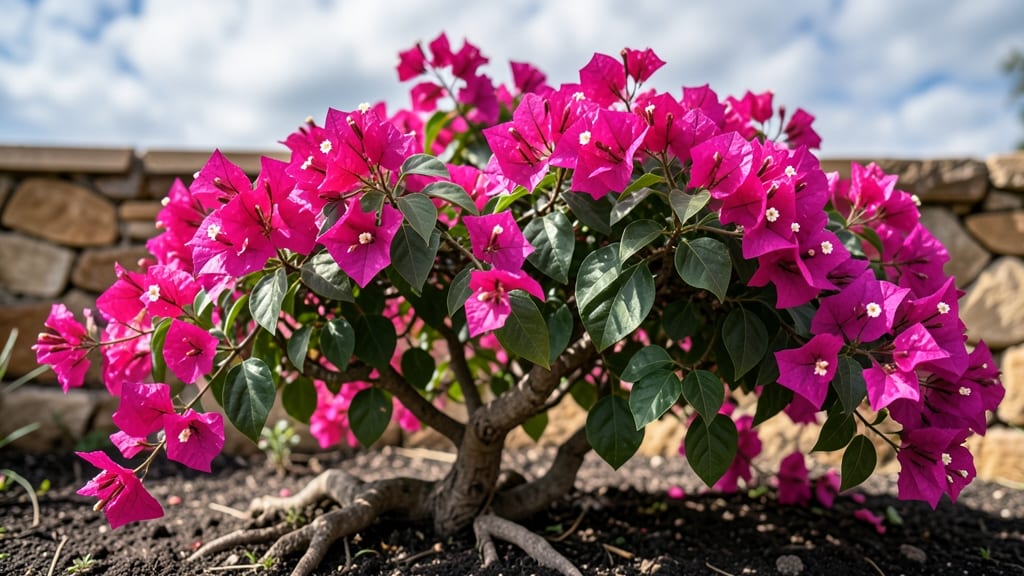
Growing Island Bloom Bougainvillea means year-round color that needs almost no pruning. 🌺 The secret to its vibrant magenta bracts lies in full sun, well-draining soil, and a few simple care tricks that even beginners can master.
This isn’t your average flowering vine—it’s the kind that thrives with minimal fuss while turning heads in any landscape.
The plant loves heat and drought once established, making it perfect for tropical or subtropical climates. Start with a container if your winters dip below 25°F, since this variety can’t handle frost.
Use a fast-draining mix with perlite or sand, and plant in a spot where it gets at least 6 hours of direct sunlight daily—the more sun, the brighter those bracts will glow.
Watering is where most people overcomplicate things: let the top inch of soil dry out between waterings, then soak thoroughly. Feed with a balanced fertilizer every 6-8 weeks during growing season, and skip the pruning unless you want to shape it—just trim back leggy stems after blooms fade.
The result? A lush, flowering powerhouse that keeps blooming nonstop.
Even in cooler zones, you can enjoy this beauty by bringing potted plants indoors before frost hits. Just keep them near a sunny window or under grow lights until spring.
The key to long-term success is patience—Island Bloom rewards consistent care with bold, tropical color that makes every season feel like summer.
📚 In This Guide
- What you need
- Instructions
- Tips and common mistakes
- Wrapping up and next steps
What you need
- ● Bougainvillea plants: 1-3 healthy Island Bloom varieties (choose from pink, purple, or orange hues). Opt for container-grown plants for easier handling.
- ● Well-draining soil: 5-10 gallons of a mix of: 60% cactus/succulent soil
- ● 20% perlite or pumice (for aeration)
- ● 20% compost or aged manure (for nutrients)
- ● Containers or in-ground spot: Containers: 1-2 large pots (12-18 inches deep) with drainage holes per plant. Terracotta or fabric pots work best.
- ● In-ground: A sunny, sheltered spot with at least 6 hours of sunlight daily. Amend soil with sand or gravel if clay-heavy.
- ● Fertilizer: 1 bag of balanced, slow-release fertilizer (10-10-10 or 8-3-9) or a bloom booster like 7-9-5.
- ● Mulch: 2-3 inches of gravel or bark mulch (avoid organic mulch to prevent rot).
- ● Pruning shears: 1 pair of sterilized, sharp bypass pruners (for clean cuts).
- ● Gloves: 1 pair of gardening gloves (bougainvillea thorns are real!).
- ● Watering can or hose: With a gentle spray nozzle to avoid displacing soil.
- ○ pH testing kit (optional): To ensure soil pH is between 5.5–7.0 (bougainvillea loves slightly acidic to neutral soil).
- ○ Stakes or trellis (optional):strong> For climbing varieties—1-2 per plant if training vertically.
- ○ Epsom salt (optional): 1 small bag (for magnesium boost if leaves yellow).
- ○ Pest control (optional): Neem oil spray (for aphids or mealybugs)
- ● Insecticidal soap (for soft-bodied pests)
- ● Grow in containers for winter indoor care.
- ● Plant in spring after the last frost (or wait until summer for heat-loving varieties).
Step-by-Step instructions for cultivating vibrant bougainvillea
Here's how to coax those signature island blooms from your bougainvillea with minimal fuss.
☀️ Step 1: Choose the Perfect Sunny Spot
Bougainvillea thrives where the sun bathes it daily—6-8 hours of direct sunlight is non-negotiable. In warmer climates, a south or west-facing wall delivers ideal conditions. You'll know you've got it right when the plant's leaves stay deep green and crisp, never yellowing or wilting midday.
If you're in a cooler zone, consider a large container you can wheel into sunlight during summer days and protect from frost. The plant's papery bracts (those vibrant "flowers") need warmth to develop properly—below 50°F shuts down blooming entirely. Test your spot by observing how quickly water evaporates from a small dish left in the sun—if it's gone in under an hour, you're golden.
🪴 Step 2: Plant in Well-Draining Soil
Bougainvillea roots despise soggy feet, so amend your native soil with 50% cactus/succulent mix and 50% regular potting soil for optimal drainage. In containers, use a blend that includes 30% perlite or pumice to prevent compaction. The goal is soil that feels like a damp sponge—water should drain freely within 15-30 minutes of watering.
When planting, bury the root ball just slightly deeper than it was in its nursery pot. This encourages stronger root growth downward rather than circling at the surface. Gently firm the soil around the roots, but don't pack it down—you want air pockets for those fibrous roots to explore. Mulch with 1-2 inches of gravel or bark chips to keep moisture levels stable while preventing soil-borne diseases.
💧 Step 3: Water Deeply but Infrequently
Here's where bougainvillea surprises most gardeners—it's drought-tolerant once established. Water deeply every 7-10 days during growing season, letting 2-3 inches of soil dry out between waterings. You'll know it's time when the top layer feels dry to the touch and the pot (if using one) feels light when lifted. Overwatering causes root rot, which shows as yellowing leaves and a mushy stem base.
In containers, water until it runs freely from the drainage holes—this flushes out built-up salts that can scorch roots. During blooming season, reduce water slightly to encourage more vibrant bract production. The plant's thick, leathery leaves store moisture well, so err on the side of underwatering rather than overdoing it. Real talk: bougainvillea will forgive occasional drought better than it will forgive soggy roots.
✂️ Step 4: Prune Strategically for Year-Round Blooms
Minimal pruning is key—focus on shaping rather than heavy cuts. After the last frost or in early spring, trim back 1/3 of the plant's growth to encourage bushier, more compact growth. Always cut just above a leaf node (the bump where leaves attach) at a 45-degree angle. This prevents water from pooling on the cut and promotes new growth from that point.
Throughout the year, remove only dead or crossing branches. You'll know a branch is dead if it's brittle and snaps easily when bent. Never prune into old wood—new growth only comes from the current season's stems. After pruning, give the plant a balanced fertilizer to support its recovery and new growth spurt. The result? More branches bearing those colorful bracts year-round.
🌿 Step 5: Feed and Protect for Continuous Color
Apply a low-nitrogen, high-phosphorus fertilizer every 6-8 weeks during growing season to fuel blooming. Look for a 5-10-10 or 7-9-5 ratio—high nitrogen makes leaves, not flowers. You'll see the difference in 4-6 weeks as new growth appears with more vibrant bracts. In cooler months, cut back to monthly feedings or switch to a slow-release granular fertilizer.
Protect your bougainvillea from heavy winds, which can tear the delicate bracts. In coastal areas, salt spray can damage leaves—rinse plants occasionally with fresh water if you notice crispy edges. Watch for pests like mealybugs hiding in leaf axils; treat with neem oil if you spot white cottony clusters. With proper care, your bougainvillea will reward you with continuous blooms for months, not just seasonal bursts of color.
Tips & tricks for perfect Island Bloom bougainvillea
Between us, these little tricks will help you avoid the common pitfalls that turn vibrant bougainvillea into a sad, leafy mess.
Sunlight Spot Check: That 6-8 hours of direct sunlight isn't just about duration—it's about intensity. If your bougainvillea's leaves start curling or turning yellow, it's getting too much midday heat. Try moving it to a spot with morning sun and afternoon shade, especially in hot climates. The goal is bright light without scorching—think of it like a perfect tan, not a sunburn.
Soil Test Trick: When checking if your soil drains properly, don't just rely on the 15-30 minute test. After watering, dig down 2-3 inches—if you feel moisture, your drainage isn't fast enough. For containers, I've found adding an extra 10% perlite to that 30% mix makes a noticeable difference in preventing compaction. The roots should look white and firm, not gray and mushy.
Watering Wisdom: The 7-10 day watering schedule works best when your plant is established, but new plants need more frequent watering—every 3-5 days until they've rooted well. Here's the secret: water until you see it running from the drainage holes, then let the pot sit for 5 minutes to drain completely. This flushes out excess salts that can build up and harm the roots over time.
Pruning Pro Tip: When you're trimming back that 1/3 of growth in Step 4, don't just cut randomly. Look for branches that are growing inward or crossing others—these compete for sunlight and nutrients. Cutting them back at a 45-degree angle above a leaf node isn't just about aesthetics; it creates a larger surface area for new growth to sprout from, giving you more blooming branches.
Pro Tips for Island Bloom Bougainvillea
- Between us, these little tricks will help you avoid the common pitfalls that turn vibrant bougainvillea into a sad, l...
- Sunlight Spot Check: That 6-8 hours of direct sunlight isn't just about duration—it's about intensity. If your bougai...
- Soil Test Trick: When checking if your soil drains properly, don't just rely on the 15-30 minute test. After watering...
Frequently asked questions
about Island Bloom Bougainvillea—because even the most vibrant blooms come with a few common curiosities! Here’s what you need to know before diving in.How fast does Island Bloom Bougainvillea grow?
This variety grows moderately fast, typically adding 12–24 inches per year under ideal conditions. With proper care (sun, water, and occasional pruning), you’ll see lush, colorful growth within 6–12 months from planting. Patience pays off—those bold blooms are worth the wait!
When is the best time to plant Island Bloom Bougainvillea?
The ideal planting window is spring or early fall, when temperatures are mild (60–80°F). Avoid planting in winter (below 50°F) or summer heatwaves (above 90°F), as extreme temps can stress young plants. Pro tip: Soak roots before transplanting for a smoother transition!
How often should I water Island Bloom Bougainvillea?
Water deeply 1–2 times per week (adjust for climate—drought-prone areas may need less). Let the top 2–3 inches of soil dry out between waterings to prevent root rot. Once established, this drought-tolerant beauty thrives on infrequent, deep soakings—think quality over quantity!
Can I prune Island Bloom Bougainvillea year-round?
While you can lightly shape anytime, major pruning is best in late winter or early spring (before new growth). Avoid heavy cuts in fall—it needs time to harden off for winter. Never prune into bare wood; always leave 2–3 nodes to encourage blooms!
What if my Island Bloom Bougainvillea isn’t flowering?
No blooms? Check these fixes:
- Not enough sun? Move to 6+ hours of direct light daily.
- Overwatering? Let soil dry between waterings.
- No pruning? Trim 1/3 of old growth to encourage new shoots (and blooms!).
- Temperature stress? Keep above 50°F—cold snaps can shock the plant.
With adjustments, those vibrant magenta-pink blooms will return in no time!
Wrapping up and next steps
Transforming your space into a vibrant paradise with Island Bloom Bougainvillea is easier—and more rewarding—than you think! This stunning plant thrives on low-maintenance care, delivering year-round bursts of color with just a little sunlight and occasional pruning.
Whether you’re a seasoned gardener or a curious beginner, its resilience and beauty make it the perfect addition to any outdoor oasis.
Ready to bring the tropics home? Start small—plant a single cutting or a potted specimen—and watch your garden bloom with confidence. Grab your shears, find a sunny spot, and let nature do the rest! 🌺✨