
Blooming
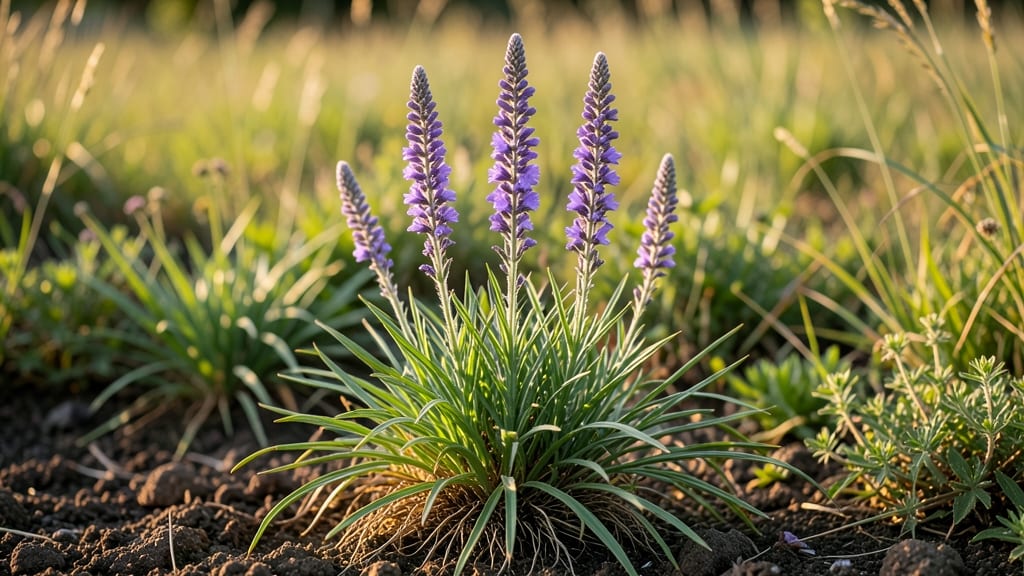
The liatris spicata bloom time transforms your garden in late summer with its striking purple spikes and draws in pollinators like bees and butterflies.
If you're growing Blazing Star—the striking purple-blooming native wildflower—timing its bloom is key to maximizing your garden's seasonal impact. But when exactly should you expect those iconic spikes of lavender-purple flowers, and how does your USDA zone affect it?
In USDA Zone 6a, like where I garden, the blooms typically start in mid-to-late July, peaking in August before fading by early September. However, cooler zones may delay blooms by 2-4 weeks, while warmer climates could see them arrive a bit earlier.
Below, I’ll break down how sunlight, soil, and even companion plants can influence bloom time—and how to keep those vibrant purple spikes coming back year after year.
Liatris spicata bloom time by USDA Zone: exact months to plan for
Liatris spicata, or blazing star, is a showstopper in late-summer gardens, but its bloom timing shifts dramatically depending on your USDA zone. In cooler zones like 3-5, expect blooms to arrive 2-4 weeks later than in warmer zones 6-9. Understanding these variations helps you plan for pollinator-friendly displays and sequential garden interest.
The ideal bloom window for Liatris spicata spans from late July to early September, but regional climate differences create noticeable shifts.
For example, gardeners in Zone 9 might see early blooms as soon as mid-July, while those in Zone 4 could wait until early September for the same floral spectacle.
| USDA Zone | Early Bloom | Peak Bloom | Late Bloom | Notes |
|---|---|---|---|---|
| Zones 3-4 | Early August | Mid-August to Early Sept | Mid-September | Cooler temps delay blooms; mulch helps |
| Zones 5-6 | Late July | Late July to Late Aug | Early September | Moderate climate; consistent blooms |
| Zones 7-8 | Mid-July | July to Mid-August | Late August | Warmer zones bloom earlier; drought-tolerant |
| Zone 9 | Mid-July | July to Early August | Mid-August | Hotter climates may need afternoon shade |
In USDA Zones 3-4, where summers are shorter and cooler, Liatris spicata often waits until early August to begin blooming. This delay gives gardeners in these regions a chance to pair it with early-summer bloomers like coneflowers or black-eyed Susans for extended seasonal color.
The peak bloom period typically stretches from mid-August to early September, aligning perfectly with late-summer pollinator activity.
Gardeners in Zones 5-6 enjoy the longest bloom window, with flowers appearing as early as late July and lingering until early September. This extended display makes Liatris spicata an excellent choice for pollinator gardens, as it overlaps with the active seasons of bees and butterflies.
The moderate climate of these zones creates ideal conditions for robust flowering.
Warmer Zones 7-9 experience earlier blooming, with mid-July being the typical start. In these regions, the plant often finishes blooming by mid-August, which can be a drawback if you're aiming for a longer seasonal display.
To extend the bloom time, consider deadheading spent blooms or planting shorter-day varieties that respond better to longer daylight hours.
Regional climate variations also affect Liatris spicata blooming. For instance, humid southern climates (e.g., Zone 8) may see earlier blooms but require better air circulation to prevent fungal issues. Meanwhile, dry western zones (e.g., Zone 7) benefit from consistent watering during establishment to ensure vigorous flowering.
If you're planning a sequential bloom garden, use these timelines to layer Liatris spicata with early bloomers like beebalm (July) and late bloomers such as asters (September). This creates a non-stop floral show that keeps your garden buzzing with activity from summer to fall. 🌸
For gardeners in cooler zones, consider using black plastic mulch in early spring to warm the soil and encourage earlier blooming. In warmer zones, provide afternoon shade during peak summer heat to prevent bud drop.
These simple adjustments can help fine-tune bloom times to match your garden's seasonal goals.
One of the most rewarding aspects of growing Liatris spicata is its ability to self-seed, ensuring future blooms. By understanding your USDA zone's specific timeline, you can create a <
How to extend Liatris spicata bloom time: proven gardening tips
Want your Liatris spicata to put on a longer, more vibrant show? Extending its bloom time is all about creating ideal growing conditions and smart maintenance.
This native wildflower thrives with minimal fuss, but a few targeted strategies can transform those purple flower spikes from a fleeting summer display into a prolonged garden highlight.
First, focus on the basics: soil health and water consistency. While Liatris is famously drought-tolerant once established, consistent moisture during its active growing season encourages stronger root development and more robust blooms.
Pair this with proper soil pH and deadheading techniques, and you'll see those iconic spikes lasting weeks longer than average.
🌿 Proven Tips to Extend Bloom Time
- 🔹 Deadhead regularly – Snip spent blooms every 1-2 weeks to redirect energy to new flowers.
- 🔹 Maintain pH 6.0-7.0 – Test soil and amend with lime (raise pH) or sulfur (lower pH) if needed.
- 🔹 Water deeply weekly – Aim for 1 inch of water per week during growing season.
- 🔹 Plant with coneflowers – Their similar care needs create a pollinator-friendly synergy.
- 🔹 Avoid over-fertilizing – Too much nitrogen = leafy growth, fewer blooms.
Let's talk about deadheading first—this simple technique can extend your Liatris blooms by 3-4 weeks. Use clean pruners to cut back spent flower spikes to the base or just above a set of leaves.
This removes the seed heads that would otherwise signal the plant to stop flowering. I recommend doing this every 1-2 weeks throughout the blooming season to keep fresh flowers coming.
The soil pH plays a surprisingly big role in bloom duration. Liatris prefers a slightly acidic to neutral range (6.0-7.0). Test your soil with a simple kit—if it's too alkaline (above 7.0), amend with elemental sulfur.
Too acidic (below 6.0)? Sprinkle in some pelletized lime. Well-balanced soil means healthier roots and more vigorous blooms that last longer.
While Liatris is drought-tolerant, consistent moisture during its growing season (spring to early fall) makes all the difference. Water deeply once per week to encourage deep root growth. In containers, you may need to water more frequently—every 5-7 days—since potted plants dry out faster.
The key is deep watering rather than frequent light watering, which can lead to shallow roots and weaker stems.
For a pollinator magnet that blooms even longer, pair your Liatris with companion plants like Echinacea (coneflower) or Rudbeckia (black-eyed Susan). These perennials share similar care requirements and attract the same beneficial insects, creating a self-sustaining ecosystem that encourages continuous blooming.
Plus, the color contrast makes your garden pop even more!
Remember, the goal is longer, more abundant blooms without overcomplicating care. With these simple strategies—deadheading, proper soil pH, consistent watering, and smart companion planting—your Liatris spicata will reward you with purple spikes that last from late summer well into fall. 🌸