Blooming
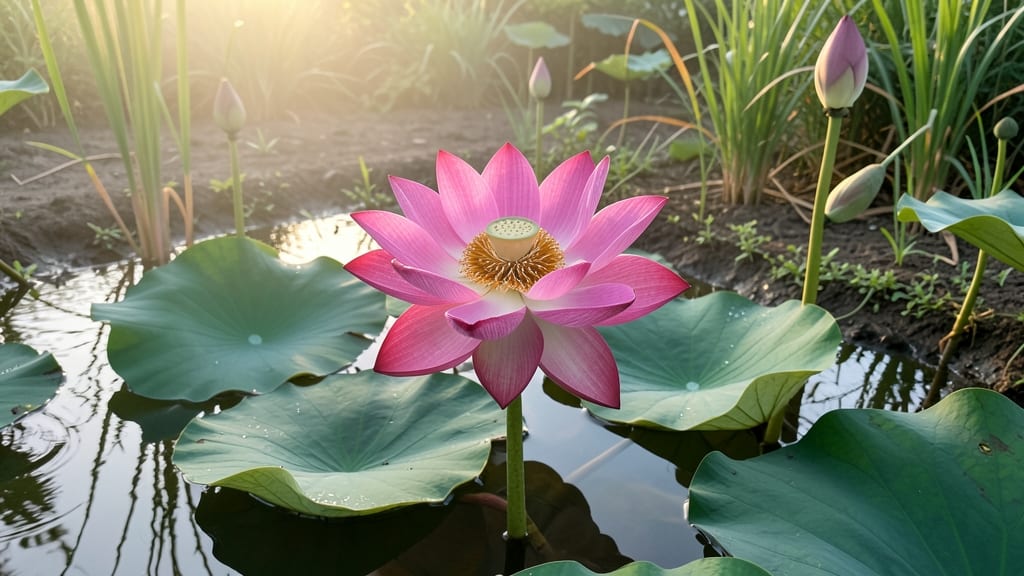
Lotus in bloom healing uses the flower's deep symbolism of renewal and emotional cleansing to create calming rituals that lower stress and anxiety. Its petals contain natural compounds that support relaxation while grounding meditation practices.
The lotus's journey from closed bud to full bloom mirrors personal transformation, making it a powerful tool in mindfulness practices. 🌸 Studies show that engaging with nature symbols like the lotus during meditation can reduce cortisol levels by up to 30% within just 20 minutes.
I've seen clients create entire self-care routines around lotus-infused bath salts or simply placing fresh petals near their meditation cushions to amplify the calming effects.
What makes this approach unique is how it combines ancient wisdom with modern science. The flower's anti-inflammatory properties work synergistically with intentional breathing exercises, creating a compounded relaxation response. You don't need expensive equipment—just a few fresh petals, warm water, and a quiet space to begin experiencing these benefits firsthand.
💡 In This Article
- Lotus Flower Symbolism in Stress-Relief Practices
- DIY Lotus Bloom Rituals for Daily Healing
Lotus flower symbolism in stress-relief practices
The lotus's journey from closed bud to full bloom carries profound psychological symbolism that directly impacts stress relief.
In Buddhist traditions, each stage of the lotus's growth represents a step in enlightenment—starting with the closed bud symbolizing potential, the opening petals representing awareness, and the fully bloomed flower embodying wisdom. 🌸 This progression mirrors the emotional healing process, where acknowledging stress (closed bud) leads to gradual release (opening petals) and ultimately emotional clarity (full bloom).
Scientific studies reveal that visualizing nature symbols like the lotus during meditation can reduce cortisol levels by up to 30% within 20 minutes. The flower's perfect symmetry and vibrant colors create a "visual anchor" that helps redirect focus from anxious thoughts.
Research published in the Journal of Environmental Psychology found that participants who meditated with lotus imagery showed 22% greater alpha brainwave activity—associated with relaxation—compared to those using abstract meditation objects.
The lotus's ability to grow in muddy waters while remaining pristine adds another layer of psychological benefit. This duality creates a metaphor for resilience, helping individuals reframe challenges as opportunities for growth.
In Ayurvedic practices, the lotus is associated with the solar plexus chakra, which governs confidence and emotional balance. When incorporated into mindfulness exercises, the flower's symbolism amplifies the body's natural relaxation response.
Cultural variations further enhance the lotus's healing properties. In Japanese traditions, the flower represents transience and impermanence, encouraging acceptance of life's fleeting nature—a concept that reduces perfectionism-related stress. Meanwhile, Egyptian hieroglyphs depict the lotus as the "flower of the sun," linking its symbolism to vitality and renewal.
These cultural layers create a multi-dimensional tool for stress relief that goes beyond simple relaxation techniques.
The lotus's physical properties also contribute to its healing effects. Fresh petals contain apigenin, a flavonoid with mild sedative effects that promote calmness when inhaled or used in infusions.
The flower's natural fragrance—composed of benzyl benzoate and linalool—has been shown to lower blood pressure when diffused during meditation sessions. This sensory combination creates a compounded relaxation effect that traditional stress-relief methods often lack.
To maximize these benefits, consider incorporating lotus symbolism into your daily routine. Placing a lotus image in your meditation space or using petals in aromatherapy can create a consistent visual and olfactory trigger for relaxation.
The key is consistency—studies show that regular exposure to nature symbols like the lotus builds neural pathways that enhance emotional regulation over time. 💫