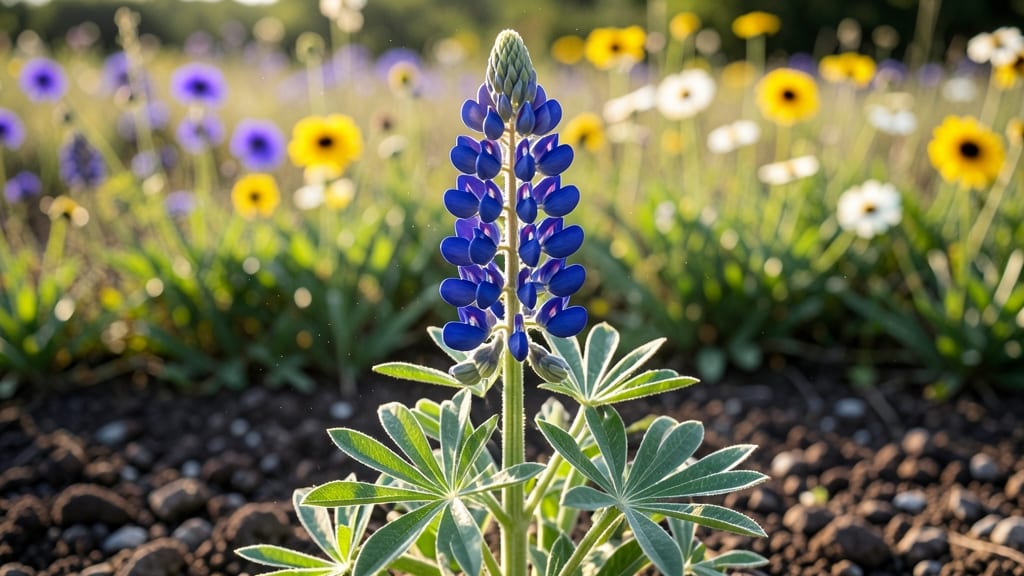
The lupine bloom time you’re waiting for can feel like a mystery—until you know the right variety, climate, and care tricks. 🌸 Whether you’re growing the classic Russell Hybrid or a delicate Silver Standard, timing is everything.
Picture this: you’ve planted your lupines in March or April, but instead of vibrant spikes by summer, you’re staring at leafy stalks. That’s not a failure—it’s just the plant playing by its own rules.
Some varieties bloom early, others wait until late June, and climate zones shift those windows by weeks. In USDA Zone 6, for example, frost dates can push blooms earlier or later than expected.
But here’s the good news: with the right soil prep, sunlight, and a little patience, you can coax your lupines into a longer, more reliable display.
We’ll break down exactly when to expect those iconic flower spikes—plus how to tweak conditions for bigger, brighter blooms—so you’re not left wondering why your garden is still green when everyone else’s is in full color.
Ready to unlock the secrets? You’ll learn how to read your lupines’ signals, adjust for your local climate, and even troubleshoot delays—so you can enjoy those stunning spring and summer blooms without the guesswork.
Lupine bloom time by variety: annual vs perennial flowering schedules
If you're planning your garden's color palette, knowing lupine bloom time by variety is essential. These stunning flowers offer early spring to summer displays, but their timing varies wildly between annual and perennial types.
Annual lupines like Bluebonnet often bloom earlier and more reliably, while perennials like Russell Hybrid may take longer to establish but reward you with longer-lasting flowers. Let's break down when to expect those vibrant spikes in your garden.
First, understand that annual lupines typically bloom 6-8 weeks after sowing, while perennial varieties may take 2-3 years to reach full bloom potential. This difference comes from their growth habits—annuals focus all energy on flowering in one season, while perennials build roots first.
For example, my Silver Standard perennials took two years to produce their first significant bloom, but now they're a mid-summer staple in my garden.
Now let's compare the bloom windows of popular varieties to help you plan your planting schedule. The table below shows early, mid, and late-season performers, including their average bloom duration. These timelines assume USDA Zone 6 conditions—adjust by 2-4 weeks for cooler or warmer climates.
Variety
Type
Bloom Season
Bloom Time (Zone 6)
Duration
Height
Notes
Bluebonnet (Lupinus texensis)
Annual
Early Spring
March-April
4-6 weeks
1-2 ft
Native to Texas; drought-tolerant
Russell Hybrid (Lupinus polyphyllus)
Perennial
Mid Summer
June-July
6-8 weeks
3-5 ft
Classic tall garden lupine
Silver Standard
Perennial
Late Spring
May-June
5-7 weeks
2-3 ft
Compact, silvery foliage
Albus (Lupinus albus)
Annual
Early Summer
April-May
3-5 weeks
2-4 ft
White flowers; edible seeds
Myrtle Lupine (Lupinus perennis)
Perennial
Late Spring
May-June
4-6 weeks
1-2 ft
Low-growing; great for borders
How climate zones affect lupine bloom time: USDA Zone guide
Lupines thrive in USDA zones 3-9, but their bloom time shifts dramatically depending on your region. In cooler zones (3-5), like upstate New York, lupines often bloom late May to July due to shorter growing seasons.
Meanwhile, in warmer zones (7-9), such as Southern California, they may flower as early as March or April and continue through June.
The key factors influencing lupine bloom time are frost dates, daylength, and soil warmth. Lupines need 60-80 days of warm soil temperatures (above 50°F) to trigger flowering.
In Zone 4, this might mean waiting until late April to plant, while in Zone 8, you can start as early as February.
Here’s how your climate zone impacts lupine bloom timing:
USDA Zone
Typical Bloom Window
Frost Considerations
Planting Adjustment
Zones 3-4
Late May - July
Late frost risk until May 15
Wait until soil warms (after May 1)
Zones 5-6
Early June - August
Frost possible until April 30
Plant seeds in April for summer blooms
Zones 7-8
March - June
Minimal frost risk
Sow in February for early blooms
Zones 9
January - April
No frost risk
Plant anytime for year-round blooms
In the Pacific Northwest (Zone 7-8), lupines often bloom earlier than in the Midwest (Zone 5-6) due to milder winters and cooler summers.
For example, Bluebonnet lupines in Texas (Zone 8) may start flowering in February, while the same variety in Ohio (Zone 6) won’t bloom until June.
To adjust bloom times in marginal climates, try these strategies: plant perennial lupines in containers to move them indoors during frost, or use row covers to protect early blooms. In hot zones (9), provide afternoon shade to prevent bud drop during peak summer heat.
For annual lupines, sow seeds 4-6 weeks before your last frost date to ensure they establish roots before flowering. In Zone 3, this might mean waiting until mid-May, while Zone 9 gardeners can plant as early as January.
Understanding your local microclimate is key. Even within a zone, urban areas (like Chicago) may have earlier blooms than rural spots due to heat island effects. Use a planting calendar and monitor soil temperature for the most accurate timing.