
Blooming
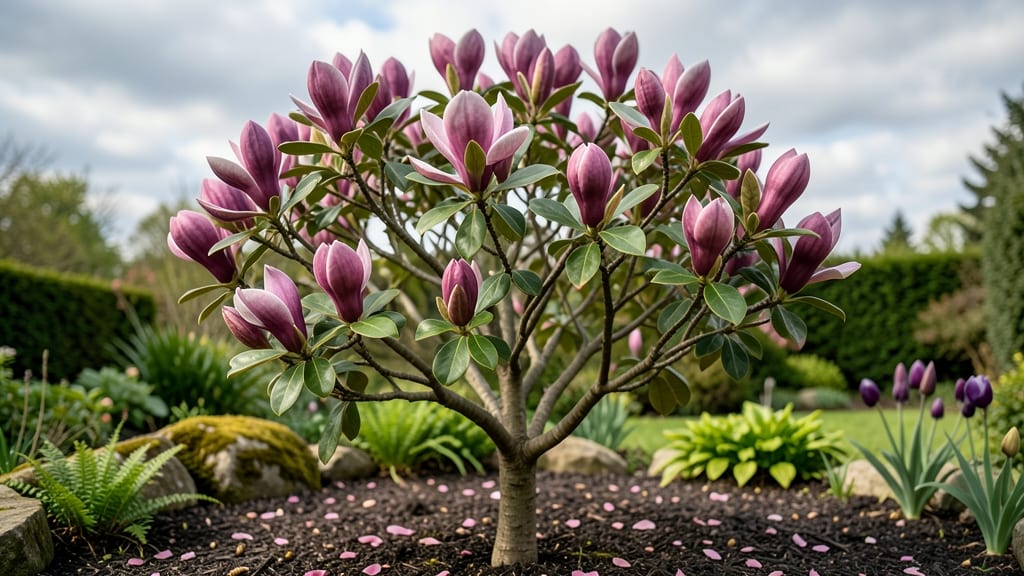
The magnolia bloom time depends on chill hours and late-spring warmth — and getting it right means your tree’s showstopping flowers will arrive on schedule every year.
If you’ve ever waited eagerly for your magnolia tree to burst into vibrant blossoms, you know timing is everything — yet most gardeners miss the key climate clues that trigger this stunning display.
In USDA Zone 6a, where chill hours range from 300 to 900, most magnolias bloom between late March and early May, but the exact window shifts dramatically depending on whether you’re in the South or the North.
Below, I’ll break down how to predict your tree’s bloom time, spot early vs. late bloomers, and even extend the show with the right care — so you’re never left wondering why your 🌸 magnolia is playing hard to bloom.
How chill hours and late-spring temperatures determine magnolia bloom time
Magnolias are famous for their show-stopping blooms, but their timing depends on two critical climate factors: chill hours and late-spring warmth. Unlike many spring flowers, magnolias need a cool dormant period followed by gentle warmth to trigger blooms.
Understanding these triggers helps you predict—and even influence—when your tree will burst into color.
Most magnolias require between 300–900 chill hours (temperatures between 32–45°F) to break dormancy. Without enough cold, buds may fail to open, leaving you with bare branches. Meanwhile, late-spring temperatures between 55–75°F signal the tree that it’s safe to bloom, turning those swollen buds into vibrant flowers.
Here’s how these factors interact across USDA zones 4–9, along with regional variations that can shift bloom time by weeks—or even months.
| Factor | Requirement | USDA Zones | Bloom Window |
|---|---|---|---|
| Chill Hours | 300–500 hours | 7–9 | Late March–April |
| Chill Hours | 500–700 hours | 6–8 | April–early May |
| Chill Hours | 700–900+ hours | 4–6 | May–June |
| Late-Spring Warmth | 55–65°F | All zones | Triggers bud opening |
| Late-Spring Warmth | 65–75°F | All zones | Peak bloom duration |
In warmer climates (zones 8–9), magnolias like Southern magnolias often bloom earlier—sometimes as early as February—because they require fewer chill hours (300–500 hours).
These trees thrive on mild winters and respond to early warmth, but they may struggle in freeze-prone zones where late frosts can damage delicate buds.
Conversely, Northern varieties (zones 4–6), such as Star magnolias, need 700–900+ chill hours to bloom reliably. If you live in zone 5 or colder, your tree might not bloom until late May or June, as the extended cold period delays the transition to warmth.
Planting in a microclimate with extra winter chill (like a north-facing slope) can help meet these requirements.
Once temperatures rise to 55–65°F in late spring, magnolias enter their critical bloom window. This is when buds swell visibly and begin to open. If nights dip below 45°F during this phase, blooms may abort or drop prematurely.
To protect your tree, consider lightweight row covers or strategic mulching to insulate roots and buds.
Did you know? Hybrid magnolias often bloom 2–3 weeks later than native species because they’re bred for extended vase life and larger flowers, not necessarily early blooming.
If you’re impatient for color, opt for early-blooming varieties like Magnolia stellata (Star magnolia), which typically flowers in March–April even in cooler zones.
To encourage consistent blooming, monitor your local chill hour accumulation using a weather station or online tools like the USDA Plant Hardiness Zone Map.
If your area falls short of your magnolia’s needs, consider winterizing with burlap wraps or planting near evergreen windbreaks to trap cold air and boost chill exposure.
Finally, remember that late-spring warmth isn’t just about temperature—it’s also about consistency. Rapid swings from cold to hot can stress trees, while gradual warming (like a 50°F rise over 2 weeks) signals healthy bloom development.
With these clues, you’ll never miss the magical moment when your magnolia’s buds finally unfurl into glory.
Best magnolia varieties ranked by bloom time: early vs. late bloomers
Choosing the right magnolia variety means timing your garden’s spring spectacle perfectly. Some burst into early blooms as early as March, while others wait until June to showcase their stunning flowers.
The difference often comes down to chill hour requirements and regional climate. Let’s explore the top 5 magnolia types ranked by when they put on their best show.
Understanding bloom windows helps you plan landscape highlights. Southern magnolias often lead the parade, while hybrid varieties may play catch-up. Each type offers unique flower colors and sizes, from delicate white blooms to bold purple-pink displays.
Let’s dive into their specific bloom timelines and care tips to maximize their beauty.
If you’re in USDA zones 7–9, Southern magnolias are your early-season stars. Their large, creamy-white flowers appear as early as late February in warmer climates, often lasting until April.
To encourage repeat blooming, prune lightly after their first flush of flowers. Avoid heavy pruning, as it can reduce next year’s flower production.
Star magnolias are another early bloomer, often opening their cup-shaped flowers in March. Their pink, purple, or white blooms stand out against bare branches. These varieties thrive in partial shade and well-draining soil. For extended blooms, mulch around the base in early spring to retain moisture and regulate soil temperature.
For those who prefer a mid-season spectacle, saucer magnolias deliver large, saucer-shaped blooms in April–May. Their pink or white flowers can reach 12 inches wide, making them a showstopper.
These trees need full sun to partial shade and benefit from a balanced fertilizer in early spring to support robust growth and flowering.
Lily magnolias are the late bloomers of the group, typically opening their tulip-shaped flowers in May–June. Their pale pink to white blooms add a soft contrast to summer gardens. To extend their bloom time, ensure they receive consistent moisture during dry spells. Avoid overwatering, as soggy soil can lead to root rot.
Finally, hybrid magnolias offer the most flexibility, blooming anywhere from April to June. These varieties often combine the best traits of Southern, saucer, and lily magnolias, resulting in longer bloom periods and disease resistance.
For hybrid varieties, focus on pruning in late summer to shape the tree without cutting into next year’s flower buds.