
Blooming
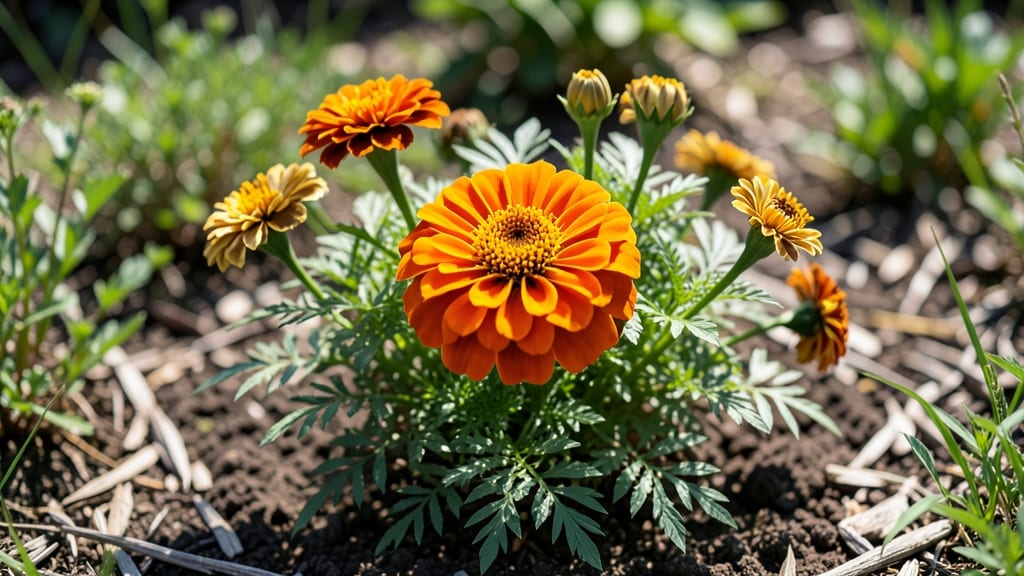
Marigolds bloom in 45 to 90 days after planting, but the exact timing depends on the variety and your climate zone—French marigolds pop early, while African types take longer to show off their fiery colors.
Ever planted marigolds only to wait weeks for those bright blooms? The key to speeding up your marigold bloom time lies in knowing your local frost dates, sunlight exposure, and even soil prep—factors that can shave weeks off the waiting game.
In USDA Zone 6a, like many gardeners, you’ll see French marigolds 🌼 burst into color as early as 60 days after sowing, while African varieties might take closer to 90 days. The difference comes down to growth habits and how quickly they adapt to your summer heat.
Below, I break down the bloom timelines by variety, climate adjustments, and 5 pro tips to trigger earlier blooms—even in cooler regions. Ready to turn your garden into a nonstop marigold show?
Marigold bloom time by variety: French, African, and Signet types compared
If you're eager to see those cheerful marigold blooms brighten your garden, timing is everything! The variety you choose directly impacts how quickly you'll enjoy their vibrant colors. French marigolds are the speedy sprinters of the group, while African marigolds take their sweet time maturing.
Let's break down exactly what to expect from each type so you can plan your garden with confidence.
Understanding these bloom timelines helps you coordinate planting schedules with your local frost dates and companion plants. For example, French marigolds might be ready to bloom just as your tomatoes need pollinators, while African varieties will keep flowering long after summer's peak.
The key difference lies in their growth habits and genetic makeup.
| Variety | Avg. Bloom Time | Height Range | Key Features | Best For |
|---|---|---|---|---|
| French Marigolds | 45-60 days | 6-24 inches | Delicate pom-pom blooms, strong fragrance, early bloomers | Container gardens, borders, pollinator attraction |
| African Marigolds | 70-90 days | 12-36 inches | Large double blooms, heat tolerant, long-lasting | Cut flowers, pest control, backyard gardens |
| Signet Marigolds | 50-65 days | 6-12 inches | Compact growth, tiny blooms, great for edging | Window boxes, fairy gardens, small spaces |
The French marigolds win the race to bloom, typically producing their first flowers just 6-8 weeks after sowing seeds. This makes them perfect for gardeners who want quick color and can't wait for summer to arrive.
Their delicate pom-pom shaped blooms come in soft pastels like cream and peach, or bold oranges and yellows that contrast beautifully with deep greens.
For those willing to wait, African marigolds deliver dramatic payoff with their large double blooms that resemble tiny chrysanthemums. These varieties take longer to mature because they focus energy on building sturdy stems and larger flower heads.
The wait is worth it if you love cut flowers or want plants that thrive in hot summer conditions.
Signet marigolds offer a happy medium with their compact stature and moderate bloom time. These little powerhouses produce tiny but abundant blooms that cover their foliage like confetti. Their 50-65 day bloom time makes them ideal for gardeners who want early color without the long wait of African types.
All three varieties benefit from deadheading—removing spent blooms—to encourage continuous flowering. French marigolds respond particularly well to this practice, often producing new blooms within 2-3 weeks of deadheading. African marigolds may take slightly longer but reward you with larger second flushes of flowers.
Light conditions dramatically affect bloom time, especially for African marigolds. While all varieties need full sun, African types in partial shade may take up to 10-14 extra days to bloom.
This is because their larger blooms require more energy to develop. If you're in a shadier garden, consider starting African marigolds indoors 4-6 weeks earlier to compensate.
Soil temperature also plays a crucial role. Marigolds won't germinate well in cold soil—wait until your soil reaches at least 60°F (15°C) for best results. In cooler climates, use black plastic mulch to warm the soil faster and trigger earlier blooming.
This simple trick can shave 10-14 days off your bloom time across all varieties.
Remember that these timelines assume ideal conditions. Factors like pest pressure, nutrient availability, and even moisture stress can delay blooming. For example, aphid infestations on young plants divert energy away from flower production. Regular monitoring and neem oil treatments can help maintain your marigolds' focus on blooming.
Now that you know the exact bloom timelines, you can strategically plan your garden layout. Place French marigolds near your patio for early summer color, use African varieties as late-season focal points, and fill gaps with Signet marigolds for continuous blooms throughout the season.
With this precise timing knowledge, your marigold garden will be a vibrant success from spring through fall! 🌼
How climate Zones affect marigold bloom time: USDA Zones 5-11 guide
Your marigold bloom time shifts dramatically depending on where you live. In USDA Zone 5, for example, you might wait 90 days for those first vibrant blooms, while gardeners in Zone 11 could see flowers in just 45 days.
These differences aren't random—they're tied to temperature, frost risk, and growing season length. Understanding your zone helps you set realistic expectations and plan for extended flowering.
Marigolds thrive where summers are warm, but their sensitivity to frost and cold snaps means timing is everything. In colder zones, you'll need to adjust planting dates and even consider season extenders to protect your plants.
Meanwhile, in warmer climates, marigolds grow so fast they can become self-seeding weeds if left unchecked. Let's break down what to expect in each zone and how to optimize your marigold's performance.
In USDA Zones 5-7, marigolds face the toughest challenges. The last frost date often arrives late—sometimes as late as May 15—and early frosts can strike by September 15.
This short growing window means you'll need to start seeds indoors in March or use heat mats to jumpstart germination. Even then, expect your first blooms no earlier than late July, with peak flowering in August and September.
Gardeners in Zones 8-9 have the ideal conditions for marigolds. With longer frost-free periods (typically 240+ days) and warm summers, marigolds bloom reliably in 45-60 days from planting. French marigolds, in particular, thrive here, producing continuous blooms from June through October.
The key is to plant after the last frost date (usually March 15-April 15) and provide consistent moisture to prevent bolting.
For those in Zones 10-11, marigolds grow so quickly they can become aggressive self-seeders. The warm climate accelerates their growth, often resulting in blooms within 30-45 days. However, the trade-off is that marigolds may struggle in peak summer heat (above 95°F) without afternoon shade.
To extend the blooming season, plant in early spring and late summer, and consider dwarf varieties like 'Tangerine Gem' for container gardening.
No matter your zone, frost sensitivity is the biggest threat to marigolds. A single 28°F night can kill plants outright, while temperatures below 40°F stunt growth. In Zones 5-7, use row covers or cold frames to protect young plants.
In Zones 10-11, focus on shade cloth during heatwaves to prevent flower drop. With the right adjustments, you can enjoy marigold blooms for up to 6 months in the right conditions!