
Blooming
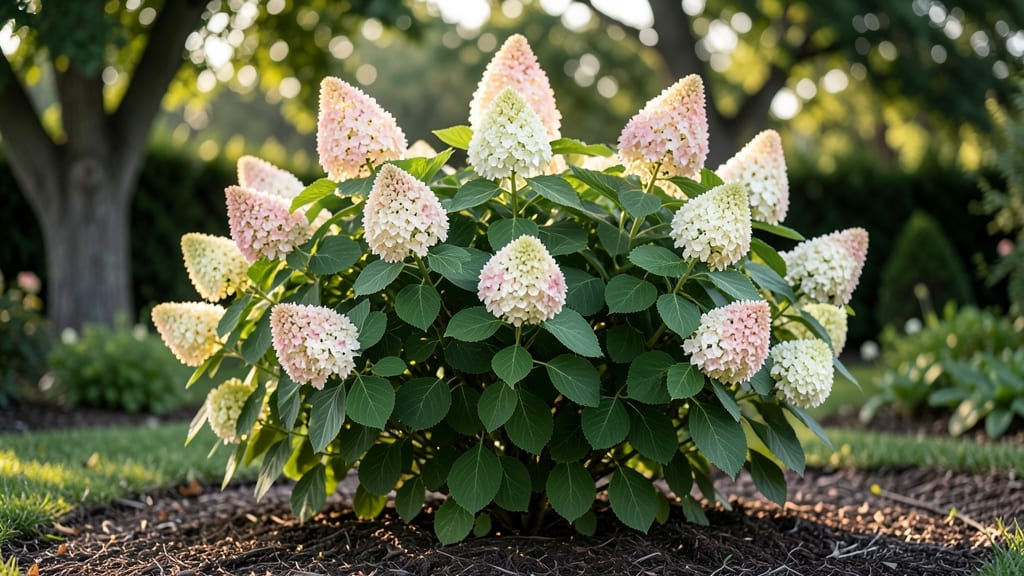
The panicle hydrangea bloom time transforms your garden into a creamy-white or blush-pink cloud from late June through August, drawing in hummingbirds like a magnet. 🌸 I’ve watched mine burst from bare stems into lush canopies every summer—it’s the moment the garden truly feels alive.
Unlike mopheads or lacecaps, these varieties bloom on new wood, meaning they’re far more forgiving if you prune at the wrong time (more on that later). The secret to timing isn’t just luck—it’s about light, heat, and pruning.
In cooler climates like mine in Zone 5, blooms arrive earlier (late June), while Southern gardeners might see theirs peak in mid-to-late August. Overwatering or late pruning can delay flowers, but the right cuts in late winter or early spring actually encourage bigger, longer-lasting blooms.
You’ll end up with 4- to 6-inch flower clusters that last for weeks, even after they’ve faded to papery shades. The best part? They thrive in full sun or partial shade, making them the ultimate low-maintenance showstopper.
Here’s how to keep yours on schedule—and troubleshoot if they’re playing hard to bloom.
First, pruning is everything. Cut back stems by one-third in late winter (before buds swell) to encourage strong new growth where flowers will form. Avoid pruning in fall—this delays next year’s blooms. For delayed flowering, check your watering: too much moisture stresses roots, while too little stunts growth.
A mulch layer in early spring helps regulate soil temperature, giving roots the steady start they need.
If your panicle hydrangea is skimpier than expected, it might need more sunlight (they crave 6+ hours daily) or a balanced fertilizer in early spring. Deadheading spent blooms extends the show, but don’t overdo it—let a few fade naturally to feed next year’s buds.
In hot climates, afternoon shade prevents wilting, while cooler zones benefit from a late-summer trim to tidy up before winter.
Regional tweaks matter: Northern gardeners might see blooms 2-3 weeks earlier than Southern ones, thanks to cooler springs. If you’re in a drought-prone area, drip irrigation keeps roots happy without overwatering.
The key? Observe your plant—panicle hydrangeas are resilient, but they’ll reward attentive care with months of effortless color.
📚 In This Guide
- What you need
- Instructions
- Tips and common mistakes
- Wrapping up and next steps
What you need
- ● Panicle hydrangea plants: Choose Hydrangea paniculata varieties like ‘Limelight,’ ‘Little Lime,’ or ‘Grandiflora’ (1-3 plants per desired cluster).
- ● Well-draining potting mix: 5-10 gallons (for containers) or amend garden soil with compost (1 part compost to 3 parts soil).
- ● Organic mulch: 2-3 inches of shredded bark or pine straw to retain moisture and regulate temperature.
- ● Slow-release fertilizer: 10-10-10 or balanced organic fertilizer (e.g., 1 lb per 100 sq ft).
- ● Pruning shears: Sharp, bypass shears (for clean cuts).
- ● Watering can or hose: With a gentle spray nozzle (1-2 gallons per plant, 2-3x/week).
- ● Garden gloves (to protect hands from thorns and soil).
- ● Trowel or spade (for digging holes 2x wider than the root ball).
- ● Sunlight location: Full sun to partial shade (6+ hours of sunlight daily for optimal blooms).
- ○ pH test kit (optional): Ideal soil pH: 5.5–6.5 (adjust with sulfur or lime if needed).
- ○ Stakes or cages (optional): For tall varieties (e.g., ‘Grandiflora’) to support stems.
How to time panicle hydrangea blooms for peak mid-summer color
Here's how I ensure my panicle hydrangeas put on their best show right when summer's hottest—and how you can too.
🌱 Step 1: Choose the Right Variety for Your Climate
Panicle hydrangeas bloom on new wood, meaning they set buds in spring from current season's growth. For mid-summer blooms (July-August), select varieties like 'Limelight' or 'Little Lime' that naturally peak during this window. Check your hardiness zone—most panicle types thrive in zones 3-8, but southern gardeners should pick heat-tolerant cultivars like 'Quick Fire' that won't scorch in 90°F+ heat.
Here's the thing—your location matters more than you think. If you're in zone 5, expect blooms to arrive 2-3 weeks earlier than in zone 8. I always plant mine where they get morning sun and afternoon shade to prevent bud burn. The key is balancing light exposure with temperature protection.
☀️ Step 2: Prune Strategically in Late Winter
Prune 2-3 weeks before your last frost date when buds are still dormant but new growth hasn't started. Cut back 1/3 of the oldest stems to the ground while leaving 2-3 newer stems that show last year's blooms. This encourages robust new growth that will produce next summer's flowers. I always sterilize my pruners with rubbing alcohol first—panicle hydrangeas are prone to bacterial infections if you're not careful.
Watch for swollen buds along the stems—these are your future blooms. If you prune too late, you risk removing next year's flower buds before they've formed. And don't worry about cutting into old wood—panicle hydrangeas bloom on new growth, so you're not sacrificing current season flowers by pruning now.
💧 Step 3: Water Deeply During Bud Formation
Once buds appear in late spring (May-June), water deeply once weekly to encourage strong stem development. The goal is to keep the soil 2-3 inches deep moist—panicle hydrangeas need consistent moisture during bud formation to prevent weak, floppy stems. I use a moisture meter to check because visual cues (like soil surface dryness) don't tell the full story.
Here's where many gardeners go wrong—they overwater once buds appear, thinking more moisture equals bigger blooms. Too much water actually causes buds to split or rot. Instead, focus on even moisture—soak the root zone until water runs out the drainage holes, then wait until the top 2 inches feel dry before watering again.
✂️ Step 4: Deadhead and Fertilize for Extended Blooms
After blooms fade in late summer, cut spent flower heads back to the first set of 5 healthy leaves below the bloom. This removes seed heads that drain energy and encourages a second flush of smaller blooms in fall. I always use clean, sharp pruners to avoid tearing stems—panicle hydrangeas respond poorly to rough cuts.
Fertilize with a balanced 10-10-10 formula in early spring and again after deadheading. The key is timing—apply fertilizer when you see new growth of 2-3 inches, not before. Too-early feeding can lead to lush foliage but fewer blooms. And don't forget to mulch with 2-3 inches of organic mulch to retain moisture and regulate soil temperature.
🌿 Step 5: Protect Blooms from Late-Season Heat Stress
When temperatures hit 90°F+ in late summer, provide afternoon shade to prevent bud burn. I use shade cloth or plant taller perennials nearby to break the sun's intensity. Panicle hydrangeas are more heat-tolerant than mopheads, but extreme heat can still cause buds to dry out before opening.
Watch for yellowing leaves or wilting—these are signs of heat stress. A quick fix is to water early in the morning when evaporation rates are lowest. And if you're in a particularly hot climate, consider choosing heat-tolerant varieties like 'Vanille Fraise' that naturally handle 100°F+ better than others.
Tips & tricks for perfect panicle hydrangea mid-summer blooms
These pro insights will help you avoid common pitfalls and get the most vibrant, long-lasting blooms from your panicle hydrangeas.
Variety Selection Matters: When choosing varieties for your climate, don't just pick based on hardiness zone—consider bloom duration too. 'Limelight' produces long, cone-shaped blooms that last from midsummer through fall, while 'Little Lime' offers compact, lemon-scented flowers perfect for containers. For southern gardens where heat stress is a concern, 'Quick Fire' is my go-to—it thrives in 90°F+ temperatures and blooms reliably. The key is matching your microclimate with the right cultivar.
Pruning Precision: In Step 2, when pruning 2-3 weeks before your last frost date, focus on cutting just above a set of outward-facing buds. These buds will grow into strong stems that produce next year's blooms. I always make cuts at a 45-degree angle to prevent water from pooling on the stem, which can lead to rot. And here's what nobody tells you—leave at least 2-3 stems uncut each year to maintain the plant's structure and ensure continuous flowering.
Watering Wisdom: During bud formation in late spring, the "2-3 inches deep moist" guideline is crucial—but how you achieve it matters. Instead of surface watering, use a soaker hose or drip irrigation to deliver water directly to the root zone. This prevents fungal issues on the foliage while maintaining consistent moisture. I've found that watering in the early morning (before 9 AM) minimizes evaporation and gives roots time to absorb moisture before the heat of the day sets in.
Heat Stress Prevention: When temperatures climb above 90°F in late summer, don't just rely on afternoon shade—monitor your plants daily for signs of stress. Look for leaves that feel dry to the touch or buds that appear papery rather than firm. If you notice these signs, provide immediate shade with lightweight shade cloth (30-50% coverage) and increase morning watering frequency. For extreme heat (100°F+), consider temporary shade structures or moving potted plants to more sheltered locations.
Pro Tips for Panicle Hydrangea Bloom Time
- These pro insights will help you avoid common pitfalls and get the most vibrant, long-lasting blooms from your panicl...
- Variety Selection Matters: When choosing varieties for your climate, don't just pick based on hardiness zone—consider...
- Pruning Precision: In Step 2, when pruning 2-3 weeks before your last frost date, focus on cutting just above a set o...
Frequently asked questions
Got questions about timing, care, or those stunning panicle hydrangea blooms? You’re not alone! Here are the answers to the most common queries—so you can enjoy your mid-summer floral show with confidence.
When do panicle hydrangeas bloom?
Panicle hydrangeas typically bloom in mid-to-late summer (July through September), with some varieties like Limelight or Little Lime starting as early as June. Cool weather in fall can even extend their display! For peak blooms, plant in full sun (6+ hours/day) and prune in late winter.
Why aren’t my panicle hydrangeas blooming?
If your hydrangeas skip blooms, check these fixes:
- Pruning timing: Prune after blooming (late summer/fall) or in late winter—never in spring!
- Sunlight: They need full sun (partial shade may reduce flowers).
- Age: Young plants (1–2 years) may bloom lightly; give them time!
- Fertilizer: Use a balanced, acidic fertilizer (like 10-10-10) in early spring.
Can I force panicle hydrangeas to bloom earlier?
Not reliably, but you can encourage earlier blooms by:
- Planting in a sheltered, warm microclimate (e.g., near a south-facing wall).
- Avoiding late frosts—cover tender new growth with frost cloth if needed.
- Using a slow-release fertilizer in early spring to jumpstart growth.
Wrapping up and next steps
Panicle hydrangeas are mid-summer superstars, gracing gardens with their fluffy, long-lasting blooms—often from late June to September. With the right care, you can extend their show and even encourage repeat blooming!
Whether you’re a seasoned gardener or just starting, these tips will help you maximize their beauty and keep your yard vibrant.
Ready to transform your outdoor space? Start by choosing the perfect location and give your panicle hydrangeas the love they deserve—your future blooms will thank you! 🌸✨