
Blooming
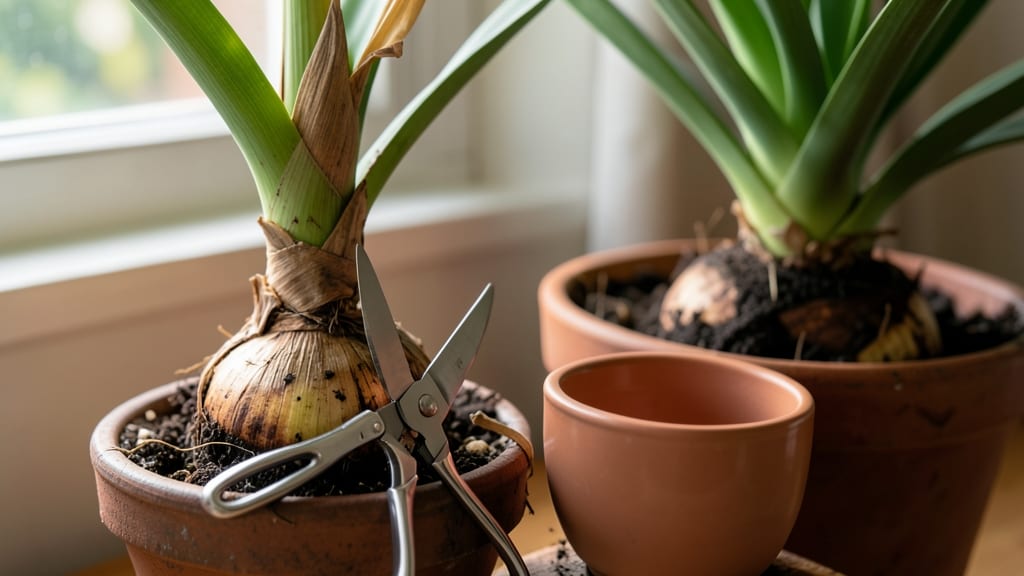
Mastering where to cut amaryllis after flowering is the secret to a stunning rebloom next season—precision here determines whether you get another dazzling show or just lush foliage. ✂️ I’ve learned that timing and precision matter more than most guides admit—get this wrong, and you’ll sacrifice next season’s flowers for foliage.
The trick lies in balancing bulb energy and stem health, and I’ll walk you through the exact spot to cut for maximum reblooming potential.
You’ll need sharp pruners (dull blades crush stems), a clean cutting surface, and a little patience. The best time to cut is when the foliage turns yellow after flowering, signaling the bulb is storing energy for dormancy.
Leave 2-3 inches of stem above the bulb—this small detail makes all the difference. After cutting, reduce watering but keep the soil lightly moist to encourage root growth while the bulb rests.
What you’ll end up with is a bulb that stays strong through summer dormancy, ready to push fresh stems and buds by fall. The foliage may yellow faster, but that’s normal—it’s feeding the bulb underground.
With proper care, your amaryllis will reward you with two full blooming seasons instead of one, and the blooms will be even more vibrant than the first time.
This method works for all amaryllis varieties, whether you’re growing them indoors near a sunny window or outdoors in warm climates. The key is consistency: don’t overwater after cutting, and fertilize lightly in early summer to build bulb strength.
Trust the process, and you’ll have amaryllis blooms year after year without buying new bulbs.
📚 In This Guide
- What you need
- Instructions
- Tips and common mistakes
- Wrapping up and next steps
What you need
- ● Sharp pruning shears or clean kitchen scissors – Sterilize with rubbing alcohol for hygiene.
- ○ Disposable gloves (optional but recommended) – Keeps hands clean and protects from sap.
- ● Well-draining potting mix – Use a blend for bulbs (e.g., 50% peat moss, 30% perlite, 20% sand).
- ● Small pots (4–6 inches in diameter) – 1–2 per bulb, depending on your collection.
- ● Watering can with a fine rose attachment – Avoid overwatering; precision matters!
- ○ Fungicide (optional but helpful) – Prevents rot; use a mild solution like neem oil or copper-based spray.
- ● Bulb fertilizer (balanced 10-10-10 or bulb-specific) – Adds nutrients for next season’s growth.
- ● Grow lights or sunny windowsill – Ensures 12–14 hours of light daily post-cutting.
- ● Plant markers or labels – Track varieties if you’re a serious collector!
- ● Cinnamon powder or sulfur – Dust cuts to prevent infection (1 tsp per cut).
Precision cutting guide for amaryllis reblooming success
Here’s how to cut back your amaryllis just right—so it stores energy for next year’s showstopping blooms.
✂️ Step 1: Wait Until Flowers Are Fully Wilted
Don’t rush—wait until the last flower on the stalk has browned and dried completely. This usually takes 2-3 weeks after blooming. Cutting too soon leaves the bulb with no energy reserves for future growth. I like to mark the day the last bloom wilts with a note on my calendar so I don’t forget.
Use sharp, clean pruners to avoid crushing the stalk. Cut the flower stem ½ inch above the bulb. This small stump helps prevent rot while still allowing the bulb to redirect nutrients. If you’re unsure, look for a slight swelling at the base of the stalk—that’s your visual cue to stop cutting.
🌱 Step 2: Remove Only the Flower Stalk (Leave the Foliage)
Here’s the thing—you only cut the flower stalk, never the leaves. The foliage is the bulb’s solar panel, converting sunlight into stored energy for next season’s blooms. I’ve seen gardeners accidentally trim leaves and end up with a bulb that never reblooms. If your plant has 6+ inches of healthy green leaves, leave them all.
If leaves are yellowing or brown at the tips, trim only the dead parts with clean scissors. This keeps the plant focused on its remaining healthy foliage. Place the pot in a spot with bright, indirect light (like an east-facing window) to encourage photosynthesis. You’ll know you’ve got it right when new growth appears at the base in 4-6 weeks.
☀️ Step 3: Maintain Light and Water for 6-8 Weeks
After cutting, keep the amaryllis in bright light for 6-8 weeks—this is critical for bulb recovery. A south or west window works best, but supplement with a grow light if natural light is weak. Leggy or pale leaves mean more light is needed. I’ve had bulbs fail to rebloom because they sat in dim corners during this phase.
Water lightly—just enough to keep the soil slightly moist but never soggy. Overwatering now causes rot. Stick your finger 1 inch into the soil; if it’s dry, water until moisture reaches that depth. You’ll see the leaves start to yellow naturally in 8-10 weeks—this is normal and signals the bulb is storing energy for dormancy.
⏰ Step 4: Induce Dormancy at the Right Time
When the leaves turn completely brown and crispy (usually 10-12 weeks after flowering), it’s time to force dormancy. Stop watering entirely and move the pot to a cool, dark place (like a closet or basement) where temperatures stay between 55-65°F. This mimics winter conditions and triggers the bulb to rest.
Check the bulb monthly—if you see any green shoots, bring it back to light immediately. Dormancy lasts 8-10 weeks. I set a reminder on my phone so I don’t forget to bring it back to light too early. When you do, water lightly and place it in bright light to encourage new growth and next year’s blooms.
Tips & tricks for perfect amaryllis reblooming
Here’s what I learned after watching three amaryllis bulbs fail to rebloom—these details make all the difference.
Precision Cutting: That ½-inch stump above the bulb isn’t arbitrary—it’s a moisture barrier. Too high and you risk rot; too low and you cut off nutrient pathways. I’ve found using a ruler to measure this distance takes the guesswork out. Also, sterilize your pruners with rubbing alcohol first to prevent bacterial infections that could weaken the bulb.
Light is Non-Negotiable: During those critical 6-8 weeks after cutting, position your plant within 2 feet of a south-facing window. I’ve seen bulbs with 6+ inches of leaves fail to rebloom when placed in north-facing windows—leggy growth is your first warning sign. If natural light isn’t sufficient, a simple LED grow light for 12 hours daily works wonders. The goal is to maximize photosynthesis while the leaves are still green.
Watering Wisdom: The "1-inch dry test" is your best friend. In hot weather, you might need to water every 5-6 days, but in cooler months, every 10-12 days suffices. I’ve ruined bulbs by overwatering during the 6-8 week recovery phase—always check before adding more moisture. The soil should feel like a wrung-out sponge, not a damp towel.
Dormancy Timing: Those 8-10 weeks in dormancy are sacred. I’ve seen gardeners pull bulbs out too early when they spot tiny green shoots—don’t! Those shoots mean the bulb is waking up prematurely. If you catch this, move it back to dormancy conditions immediately. The 55-65°F range is crucial; any warmer and the bulb won’t properly rest, any cooler and growth slows dangerously.
Pro Tips for Rebloom Where To Cut Amaryllis After Flowering
- Here’s what I learned after watching three amaryllis bulbs fail to rebloom—these details make all the difference.
- Precision Cutting: That ½-inch stump above the bulb isn’t arbitrary—it’s a moisture barrier. Too high and you risk ro...
- Light is Non-Negotiable: During those critical 6-8 weeks after cutting, position your plant within 2 feet of a south-...
Frequently asked questions
Got questions about reviving your amaryllis after those stunning blooms fade? You’re not alone! Here are some of the most common queries—and their straightforward answers—to help you master the art of cutting and reblooming like a pro.
When is the best time to cut the amaryllis flower stalk after blooming?
The ideal time to cut the flower stalk is when it starts to yellow or brown and after the blooms have fully faded. This usually happens 4–6 weeks after flowering. Cutting too early can stress the bulb, while waiting too long may drain its energy. Aim for a clean cut ½ inch above the bulb to encourage new growth.
Do I need to cut the flower stalk at all, or can I just let it die back naturally?
You can let the stalk die back naturally, but cutting it after flowering helps redirect the bulb’s energy toward storing nutrients for next season’s blooms. If you skip cutting, the stalk may turn woody and unsightly, but it won’t necessarily harm the bulb—just reduce reblooming chances. For best results, trim it!
What if my amaryllis bulb doesn’t produce new leaves after cutting the stalk?
Don’t panic! A dormant bulb is normal, but if no leaves or growth appears within 6–8 weeks, check these factors:
- Light: Ensure it’s in bright, indirect light (e.g., near a window).
- Water: Keep soil lightly moist but not soggy.
- Temperature: Ideal range is 65–75°F during growth.
- Fertilizer: Apply a balanced bulb fertilizer every 4–6 weeks.
How long should I wait before fertilizing after cutting the amaryllis stalk?
Wait until you see new leaf growth (usually 2–4 weeks post-cut) before fertilizing. Once leaves emerge, use a low-nitrogen, high-phosphorus fertilizer (like 5-10-10) every 4–6 weeks to encourage bulb strength. Over-fertilizing too soon can burn delicate roots or promote leafy growth at the expense of blooms.
Can I cut the amaryllis stalk too low, and will it hurt the bulb?
Yes, cutting too close to the bulb (within ¼ inch) can damage the growing point and weaken the bulb. Always leave a ½-inch stub above the bulb to avoid infection or rot. If you accidentally cut too low, don’t worry—just avoid watering the bulb directly until new growth appears to prevent rot.
What if my amaryllis never blooms again after reblooming?
Even with proper care, some amaryllis bulbs take 1–2 years to rebloom, especially if they’re young or stressed. To boost chances:
- Ensure 12+ hours of light daily (use a grow light if needed).
- Provide a 6–8 week “rest period” after blooming (reduce water/light).
- Use a pot just 1–2 inches larger than the bulb (crowding encourages blooms).
Wrapping up and next steps
Mastering the art of cutting your amaryllis after flowering is your secret weapon for stunning reblooms next season! 🌱 With the right tools, timing, and care, you’ll coax those vibrant blooms back year after year.
Don’t let fear of mistakes hold you back—every trim is a step toward a more beautiful garden.
Ready to put your new skills into action? Grab your shears, mark your calendar, and give your amaryllis the TLC it deserves. Your future blooms will thank you! 🌸