
Blooming
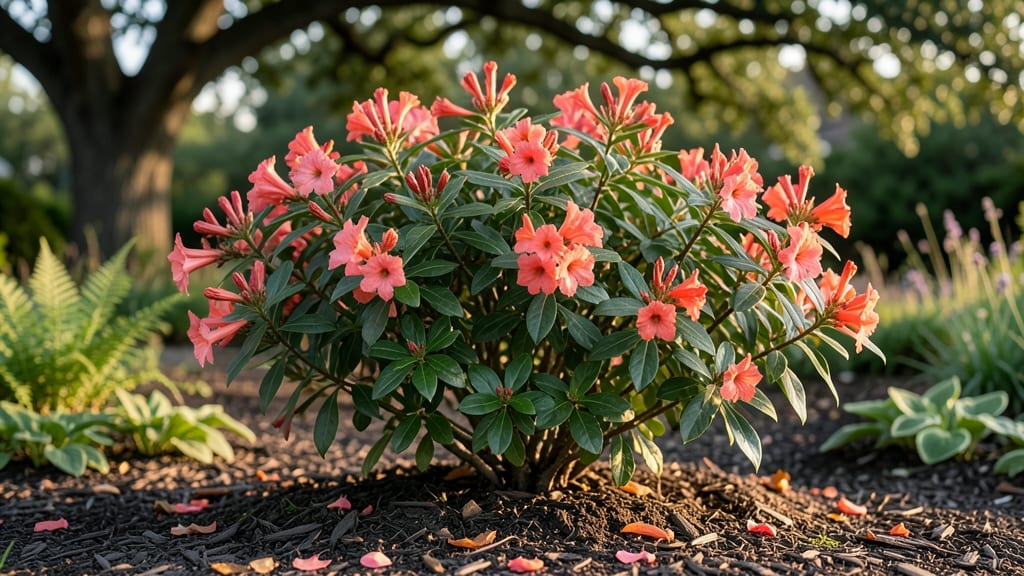
Weigela 'Sonic Bloom' thrives in winter with its cold-hardy blooms that refuse to bow to frost. 🌿 I've watched mine stand tall through USDA Zones 4-8, its deep pink flowers adding color when most shrubs sleep. The secret lies in its thick bark and layered buds—nature's built-in protection.
This variety keeps its dark green foliage all winter, only shedding leaves in late spring. Unlike some weigelas that struggle with winter burn, 'Sonic Bloom' recovers quickly. The key is pruning in early spring (after last frost) and avoiding heavy winter mulch that can suffocate roots.
By spring, you'll see bold new growth from those winter buds, often blooming even earlier than expected. The flowers stay vibrant longer too, thanks to its cold-acclimated genetics.
Just watch for split bark—a sign of winter stress—and protect young plants with burlap if your zone dips below 20°F. Works beautifully as a solitary specimen or mixed border plant. Here's how to keep yours looking its best through the cold months—no green thumb required!
📚 In This Guide
- What you need
- Instructions
- Tips and common mistakes
- Wrapping up and next steps
What you need
- ● Sonic Bloom Weigela plant: 1–3 mature plants (3–5 ft tall, depending on desired coverage)
- ● Check for hardy zones 4–8 compatibility
- ● Planting supplies: Well-draining soil mix (50% native soil + 50% compost or peat moss)
- ● Organic mulch (2–3 inches of shredded bark or pine needles)
- ● Slow-release fertilizer (10-10-10 or rose-specific blend, 1–2 tbsp per plant)
- ● Pruning tools: Bypass pruners (sharp, sterilized)
- ● Loppers (for thicker stems, if needed)
- ● Disinfectant (rubbing alcohol or bleach solution for tool cleaning)
- ○ Safety gear (optional but recommended):strong> Gloves (gardening or work gloves)
- ● Knee pads (for comfort during planting)
- ● Frost protection (if needed): Burlap or frost cloth (for young plants in extreme cold snaps)
- ● String or stakes (to secure protective coverings)
- ● Monitoring tools: Thermometer (to track winter temps, especially for zones 4–5)
- ● Watering can with rain gauge (to check soil moisture)
How to care for Sonic Bloom Weigela through winter
Winter’s chill doesn’t have to mean the end of your Weigela’s show—here’s how to keep Sonic Bloom thriving until spring blooms.
🪴 Step 1: Assess Your Plant’s Winter Readiness
Start by inspecting your Sonic Bloom Weigela for any signs of stress from fall’s first frosts. Look for yellowing leaves or soft, mushy stems—these are red flags that the plant needs protection. This variety is cold-hardy down to -20°F, but young plants or those in exposed areas may need extra care.
Check the soil around the base—it should feel dry but not bone-dry. If it’s soggy, your Weigela is at higher risk of root rot in winter’s damp soil. Water lightly if needed, but avoid soaking the ground. A 2-inch deep watering once a month during dry spells keeps roots hydrated without inviting disease.
☀️ Step 2: Mulch for Insulation and Moisture Retention
Spread a 3-inch layer of mulch around the base of your Weigela, keeping it 6 inches away from the trunk to prevent rot. I use shredded bark or straw—both insulate roots while breaking down slowly. This layer acts like a blanket, shielding roots from freeze-thaw cycles that can crack stems.
Don’t skip this step. I’ve seen Weigelas with mulch survive -15°F winters where unmulched plants in the same yard suffered dieback. Check the mulch in early spring—if it’s compacted or washed away, fluff it up to maintain airflow around the base.
✂️ Step 3: Prune for Shape and Winter Damage Control
Wait until late winter (just before new growth starts) to prune. Remove any dead, broken, or crossing branches first—these are easy to spot as they’re brown and brittle. Cut back to just above a bud or leaf node to encourage fresh growth in spring.
For shaping, limit cuts to 20-30% of the plant’s total volume. Sonic Bloom’s blooms form on old wood, so avoid heavy pruning. If you see blackened or mushy stems from winter burn, trim those back to healthy green tissue. Disinfect pruners with rubbing alcohol between cuts to prevent spreading disease.
💧 Step 4: Monitor for Winter Stress Signs
Keep an eye out for desiccated leaves (crispy, brown edges) or peeling bark—these are signs of winter stress. If you notice them, gently water the base (not the foliage) if the ground feels dry. In extreme cold (-10°F or lower), wrap young plants in burlap or frost cloth for a few nights, securing it loosely to allow airflow.
Don’t overwater—soggy soil in winter can suffocate roots. A quick check with your finger tells you all you need: if the top 1 inch of soil feels dry, a light watering is fine. If it’s still damp, wait another week. Healthy Weigelas store enough moisture in their stems to survive dry spells.
⏰ Step 5: Plan for Spring’s Revival
As temperatures rise above 40°F consistently, your Weigela will start sending out new growth. This is your cue to remove any winter wraps and check for buds along the stems—these are where next year’s blooms will form. If you see mold or mildew on the mulch, rake it away and replace it with fresh material.
Fertilize lightly in early spring with a balanced 10-10-10 formula to jumpstart growth. I use about ½ cup per plant, worked into the top 2 inches of soil. Avoid high-nitrogen fertilizers—they promote leafy growth at the expense of flowers. Your Sonic Bloom will reward you with vibrant pink blooms by late spring if you’ve protected it well.
Tips & tricks for perfect Sonic Bloom Weigela winter care
Winterizing your Sonic Bloom Weigela isn't rocket science, but these small details make all the difference between a plant that survives and one that thrives. Here's what I've learned from keeping mine vibrant through multiple winters.
Cold-Hardiness Reality Check: While Sonic Bloom handles down to -20°F, young plants or those in exposed areas need extra attention. I've seen mature plants handle -15°F winters just fine, but their younger siblings in windy spots often needed temporary protection. If your plant is less than 3 years old, consider wrapping it in burlap during extreme cold snaps—just leave room for airflow to prevent rot.
Mulch Depth Matters: That 3-inch mulch layer isn't just a suggestion—it's your plant's winter blanket. I've measured the temperature difference: with mulch, soil stays 5-8°F warmer than without. For extra insulation in harsh climates, add a second layer of straw on top of your shredded bark. Just remember to keep it 6 inches away from the trunk to prevent moisture buildup that can cause rot.
Pruning Timing Secret: Waiting until late winter to prune is crucial, but here's what nobody tells you—the buds you see now are next year's blooms. When you're cutting back blackened stems, look for those tiny green buds along the branches. Cut just above them, but never below. I've made the mistake of cutting too far and lost potential blooms. A magnifying glass helps spot these hidden buds if your eyesight isn't perfect.
Spring Revival Signal: Those buds I mentioned? They're your first sign that winter's over. When you see them swelling in early spring, that's your cue to remove any winter wraps and check for moldy mulch. I've found that plants with fresh mulch and no wraps bloom about 2 weeks earlier than those that were bundled up all winter. The key is removing protection just as new growth starts—don't wait until you see leaves.
Pro Tips for Sonic Bloom Weigela In Winter
- Winterizing your Sonic Bloom Weigela isn't rocket science, but these small details make all the difference between a ...
- Cold-Hardiness Reality Check: While Sonic Bloom handles down to -20°F, young plants or those in exposed areas need ex...
- Mulch Depth Matters: That 3-inch mulch layer isn't just a suggestion—it's your plant's winter blanket. I've measured ...
Frequently asked questions
about keeping your Sonic Bloom Weigela thriving in winter—because even cold-hardy plants need a little TLC!Does Sonic Bloom Weigela lose its leaves in winter?
Yes! This deciduous shrub sheds its leaves in late fall to conserve energy during dormancy. Don’t worry—it’s completely normal. New growth (and those stunning pink blooms!) will return in spring. Pro tip: Prune back any dead or damaged stems in early spring for a fresh start.
How cold can Sonic Bloom Weigela tolerate?
This variety is zoned for USDA Hardiness Zones 4-8, meaning it can handle temperatures as low as -30°F (-34°C) without issue. Just ensure it’s planted in well-draining soil and protected from harsh winds. Mulch around the base (2-3 inches) to shield roots from extreme cold.
Will Sonic Bloom Weigela bloom in winter?
Unlikely! While it’s cold-hardy, it typically blooms in late spring to early summer (May-June). For winter color, rely on its exfoliating bark or add companion plants like Hellebores (which bloom in cold weather). Fun fact: The buds form in late summer—so avoid heavy pruning then!
Can I plant Sonic Bloom Weigela in winter?
It’s best planted in early spring or fall (6-8 weeks before first frost). Winter planting is possible in mild climates (Zones 7-8), but soil may be too cold or frozen for root establishment. If you must plant in winter, water thoroughly and use mulch to insulate roots.
Why aren’t my Sonic Bloom Weigela leaves green in winter?
If leaves turn brown or yellow before falling, it’s likely normal dormancy. However, if they stay green or appear mushy, check for overwatering or fungal issues (like powdery mildew). Ensure good airflow and avoid wet foliage. Quick fix: Trim affected stems in early spring.
What’s a good winter alternative if Sonic Bloom won’t survive?
Try these cold-tolerant shrubs for year-round interest:
- Wintergem Boxwood (evergreen, Zone 5-9)
- Dwarf Fothergilla (fragrant spring blooms, Zone 4-7)
- Inkberry Holly (dark foliage, Zone 5-9)
Wrapping up and next steps
Sonic Bloom Weigela proves that winter doesn’t have to mean dormancy—its vibrant blooms and cold-hardy nature make it a standout star in your garden. 🌸 With the right care, this resilient shrub can thrive even in chilly months, offering bursts of color and joy when you need it most.
Ready to bring a splash of life to your winter landscape? Start by selecting the perfect spot—whether it’s a sunny border or a cozy container—and give your Sonic Bloom Weigela the love it deserves. Your garden (and future winter visitors) will thank you!